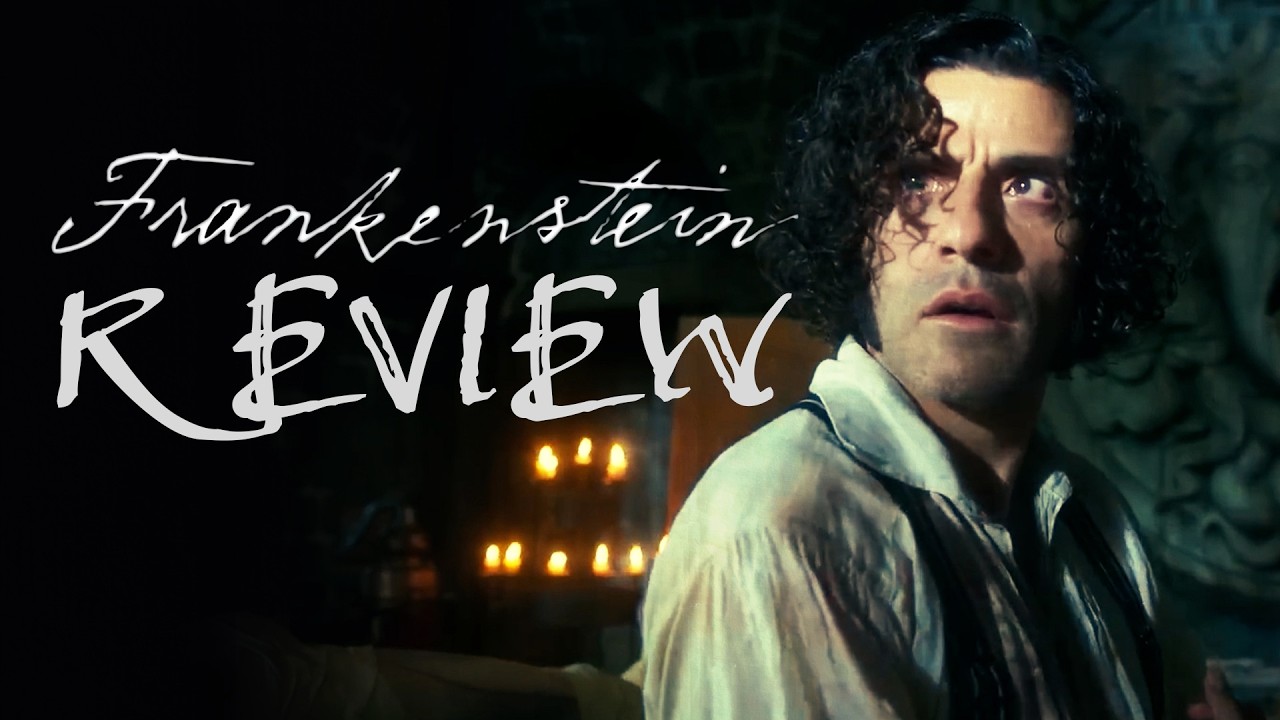
Stories about generational trauma are nothing new, chronicling the pain handed down from parent to child, never breaking the cycle. It's a compelling avenue for storytelling. Guillermo del Toro's 'Frankenstein' takes this timeless theme and infuses it into the classic narrative, staying true to Mary Shelley's original work while adding his unique flair.
Oscar Isaac portrays Victor Frankenstein as a complex character burdened by the weight of his own father's abusive legacy, played by Charles Dance. This relationship is pivotal, showcasing how the cycle of torment influences Victor's creation, the creature, performed by Jacob Elordi, who brings a nuanced portrayal that is both monstrous and empathetic.
Elordi's performance is reminiscent of the aquatic creature from Del Toro's own 'Shape of Water', emphasizing a sympathetic view of monstrosity. His physicality in the role brings to life a creature that is both powerful and tragic, reminiscent of the character's portrayal as seen in Bernie Wrightson’s comics.
The narrative deviates slightly with the inclusion of Mia Goth playing Elizabeth, engaged to Victor's brother in this adaptation, and Christoph Waltz giving life to a legal benefactor. Yet, it remains a tale steeped in gothic romance and human emotion rather than sheer horror, something Del Toro masterfully crafts through stunning visuals and deep characterization.
'Frankenstein' is a triumph not of horror but of storytelling, blending elements of romance and tragedy with sufficient gore. Del Toro's love for the material is evident throughout the film, which utilizes the trope of two perspectives—it splits the narrative into Victor’s and the creature’s viewpoints.
This movie is not another retelling of Shelley's saga but an exploration of redemption and forgiveness amidst the framework of classic horror lore. Del Toro provides a fresh take yet respectful homage to Mary Shelley's enduring story, ensuring it remains relevant and potent for modern audiences.