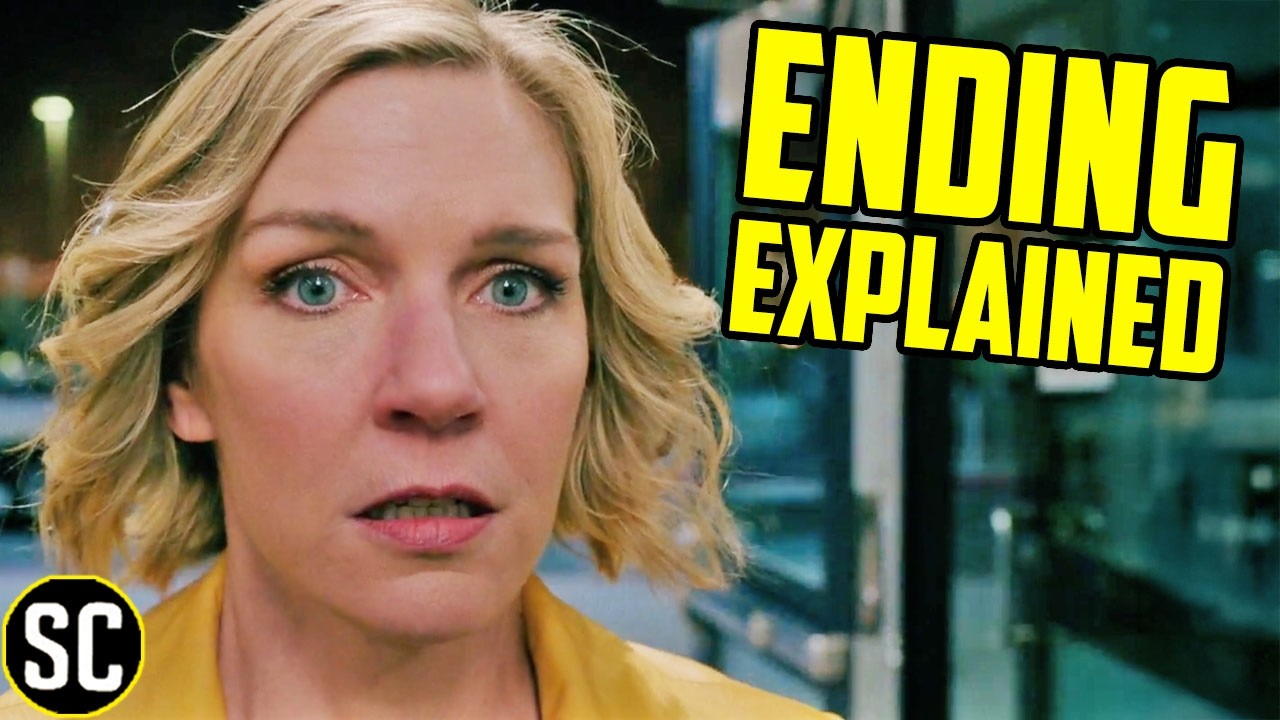
"Plurabus," a new series by Vince Gilligan, explores complex themes of happiness and individualism across its first two episodes. Known for his seminal works "Breaking Bad" and "Better Call Saul," Gilligan returns to his sci-fi roots seen in "The X-Files," with "Plurabus" reflecting his matured storytelling techniques.
The series commences in an STI lab, where scientists search for extraterrestrial life, metaphorically paralleling Carol's quest for meaningful connections. Despite navigating a world filled with people, Carol feels isolated, akin to the airplanes in her sky metaphorical vision.
The narrative takes a pivotal turn when scientists decode a message as a formula, highlighting individuality through vibrant lab coat colors. Carol, cloaked in yellow, symbolizes independence, while Zosa blends into her environment with darker hues, and Casanova Mcboner flaunts his ostentatious personality through bright patterns.
Gilligan astutely draws parallels to societal themes, such as the spread of the hive mind through kissing—reminiscent of pandemic-era intimacy loss—and Carol’s aversion to intimacy. As the narrative unfolds, Carol struggles with disconnection, resisting the joyous hive mind, advocating instead for challenging truths in literature and life.
Intertwining motifs from "Breaking Bad," the series associates key visuals like the truck’s unicorn and references to James Joyce’s "Finnegan's Wake" as signposts for deeper narrative currents. The uniformly joyous "pod people" reflect Carol’s resistance to conforming under societal bliss.
In the second episode, character dynamics deepen without dialogue, emphasizing non-verbal communication within the hive mind. The focus shifts on Carol's evolving relations with characters like Zosa and Casanova Mcboner who symbolize dichotomies in individualism versus collectivism.
As Carol faces the remaining immune individuals alone in Spain, themes of denial and reality surface, contrasting her loss with their clinging hold on past lives. Her reluctance to align with Casanova, a symbol of exploitative individualism, frames her journey in stark relief.
The series questions happiness, individualism, and the human spirit in a technologically driven world, positioning Carol as an anomaly determined to retain independence in a homogenizing society. Vince Gilligan crafts a narrative that is as thought-provoking as it is resonant with contemporary reflections on identity and connectivity.
The narrative posits whether individuality can be taught to a collective consciousness, probing philosophical discourses on personal versus shared contentment. "Plurabus" invites audiences to contemplate the nature of true happiness in a dystopian reality.
Follow "Plurabus" as it unravels the complexities of contentment while retaining an atmosphere rich with existential inquiry and narrative intrigue.