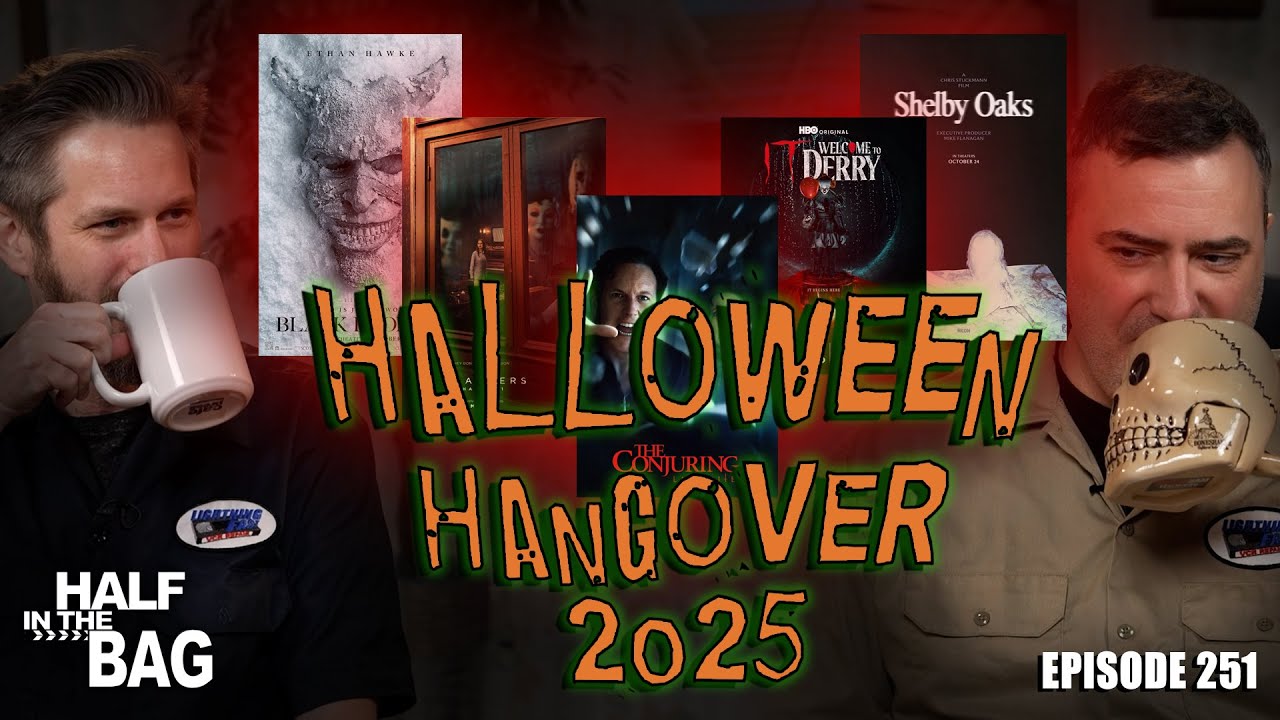
As Halloween concludes and we move into November, the entertainment industry is reflecting on a surprisingly poor performance in October's box office, particularly for horror films—a genre traditionally thriving during this spooky season. This year's lineup of horror releases, which should have captivated audiences, failed to deliver the expected financial returns, marking the lowest October box office in 30 years.
This downturn has prompted a closer examination of how movies are released, with significant attention on the competition between theatrical releases and streaming platforms. As streaming services continue to gain ground, movies that might have previously drawn large theater audiences are now more accessible at home.
Key examples include "The Strangers: Chapter 1 and 2," which fell flat both critically and commercially despite the initial intrigue. This series, intended as a trilogy, struggled to find its audience, possibly due to its overextended plot seen as more suitable for serial television than standalone films.
Moreover, even with established brands such as Guillermo Del Toro's "Frankenstein," companies opted for limited theatrical releases. It raises questions about missed opportunities to fully exploit October's potential for horror movies in theaters.
Meanwhile, streaming platforms are becoming the new hubs for horror, with successful releases like "Stranger Things" planning simultaneous theater and home releases with its extended final episode, reflecting a new hybrid model for maximizing audience reach.
This trend is not isolated to high-budget productions. Direct-to-streaming films such as Tubi Original's "Match" have managed to capture attention through sheer word-of-mouth and viral moments despite their modest budgets. These factors illustrate a shift towards digital-first releases, especially for content that doesn’t promise massive appeal like traditional blockbusters.
The conversation around streaming versus theatrical release continues, impacting not only horror films but the entire industry as studios navigate this complex arena where audience preferences are rapidly evolving. The ongoing challenge for filmmakers and studios is to find the right balance between capturing the theatrical magic and taking advantage of the broad reach and accessibility of streaming platforms.