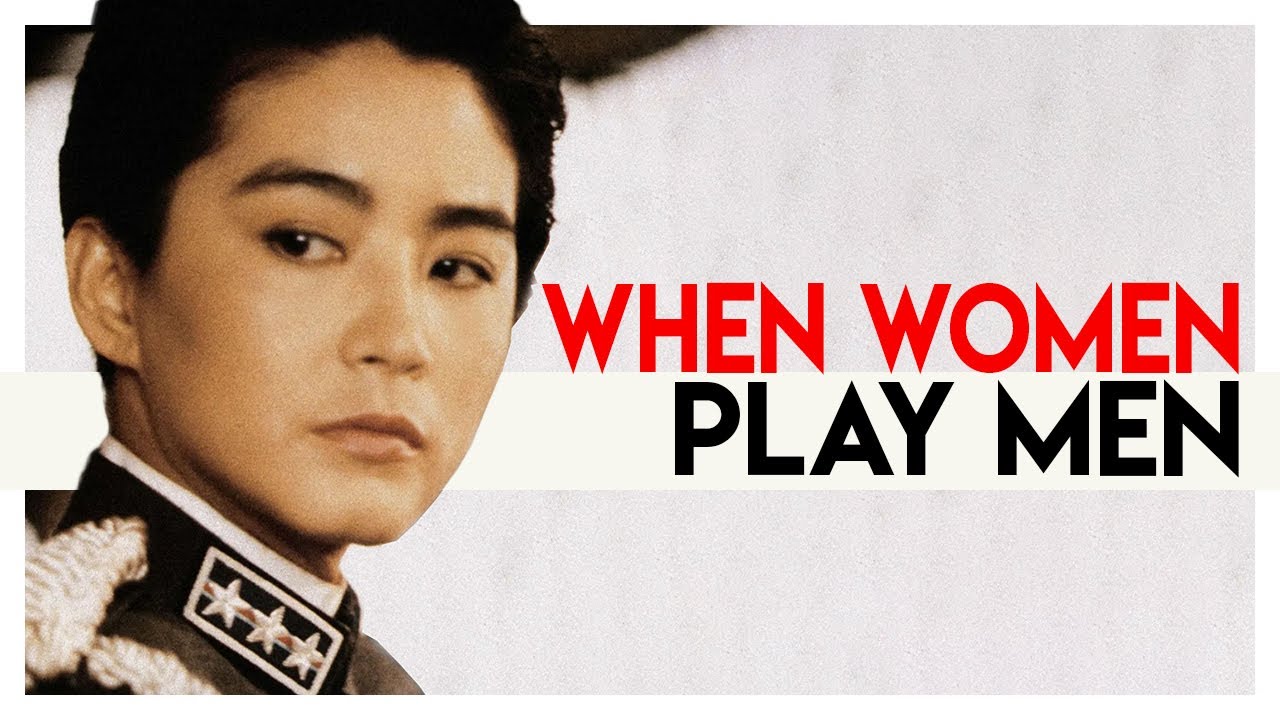
Cross-gender casting, where women portray male characters, is a notable tradition in Chinese opera and cinema, rooted deeply in the culture's history. Initially, during the Yuan and Ming dynasties, both genders performed in operas. However, in 1671, female performers were banned, leaving only male actors on stage, which led to men playing female roles.
This changed after the Qing dynasty when women were allowed back on stage, sparking a wave of female talent in cinema during the early 20th century. The silent film era saw dominant female stars such as Ruan Lingyu and Ai Xia. The role reversal continued in operas, as seen in the Huangmei Opera film "The Love Eterne," where a straight romance is depicted by two women.
Cross-gender casting wasn't limited to opera adaptations. Cantonese films featured predominately female casts portraying male roles, seen in works like "Sister Yeung." Actresses like Yam Kim-fai specialized in male roles in Cantonese opera films during this period.
In modern times, while the popularity of opera has diminished, the practice of women playing male roles persists in cinema. Anita Mui and Sandra Ng have portrayed male characters with humor and depth in films like "Wu Yen" and "12 Golden Ducks."
Brigitte Lin's portrayal of Dongfang Bubai in the Swordsman series marked a significant moment in cross-gender casting, blending her androgynous screen persona with a complex character, showcasing gender ambiguity in a charismatic light.
This tradition symbolizes a challenge to patriarchal norms, illustrating the evolution of gender roles and the significant impact of women in the performing arts, offering a fresh perspective and pushing creative boundaries in storytelling.
Tapping into this rich history emphasizes how gender bending in performance reflects broader societal changes, highlighting progressive steps toward gender equality and artistic expression.