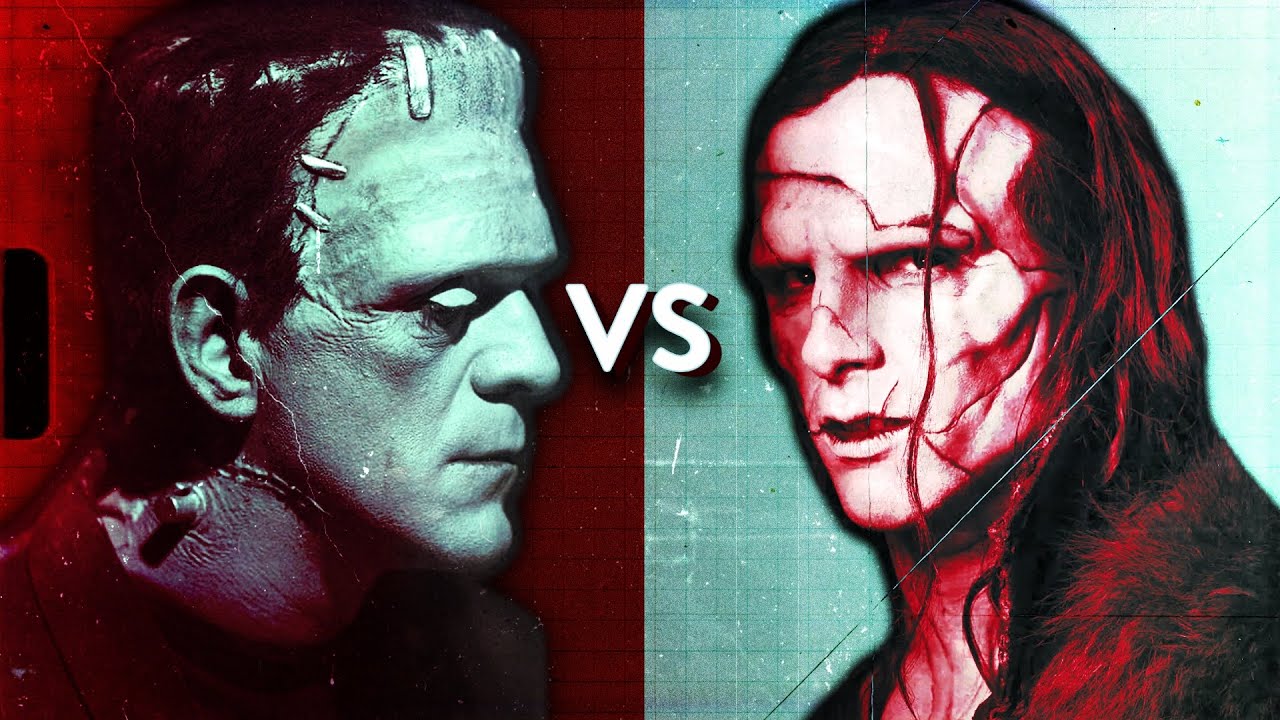
Mary Shelley's "Frankenstein," a parable questioning "what if man is the real monster?" has inspired countless adaptations in cinema. Renowned for its haunting narrative, this tale has been adapted over 423 times in movies and 78 television series, leaving a significant mark on popular culture.
The journey begins with the 1931 adaptation, a reworking of the 1927 play "Frankenstein: An Adventure in the Macabre." Despite its departure from the original text, it captures the essence of Shelley's thematic exploration. Utilizing German expressionist cinematic techniques, it explores gothic contrasts and the existential dualities of life and death.
The 1957 film, "The Curse of Frankenstein," marks a departure with its bold, Technicolor portrayal. Peter Cushing's depiction of Victor Frankenstein and the narrative's underlying themes of sexuality and repression present a unique take on Shelley's story.
Kenneth Branagh's 1994 adaptation, closely adhering to the original text, creatively embodies themes of creation and a creator's responsibility. The film remains notable for its visual prowess and fidelity to Shelley's narrative.
In contrast, the 2014 film "I, Frankenstein" diverges significantly from the source material. By incorporating modern action elements, it reinvents the classic story but falls short in thematic depth.
The latest iteration, helmed by Guillermo del Toro in 2025, fuses artistic visuals with Shelley's original themes of hubris and morality. This adaptation focuses on the creator and creation dynamic, enhancing narrative depth and emotional impact.
Across these adaptations, "Frankenstein" continues to explore humanity's dark quest for power and knowledge, with each director imparting their unique vision while paying homage to Shelley's enduring narrative.