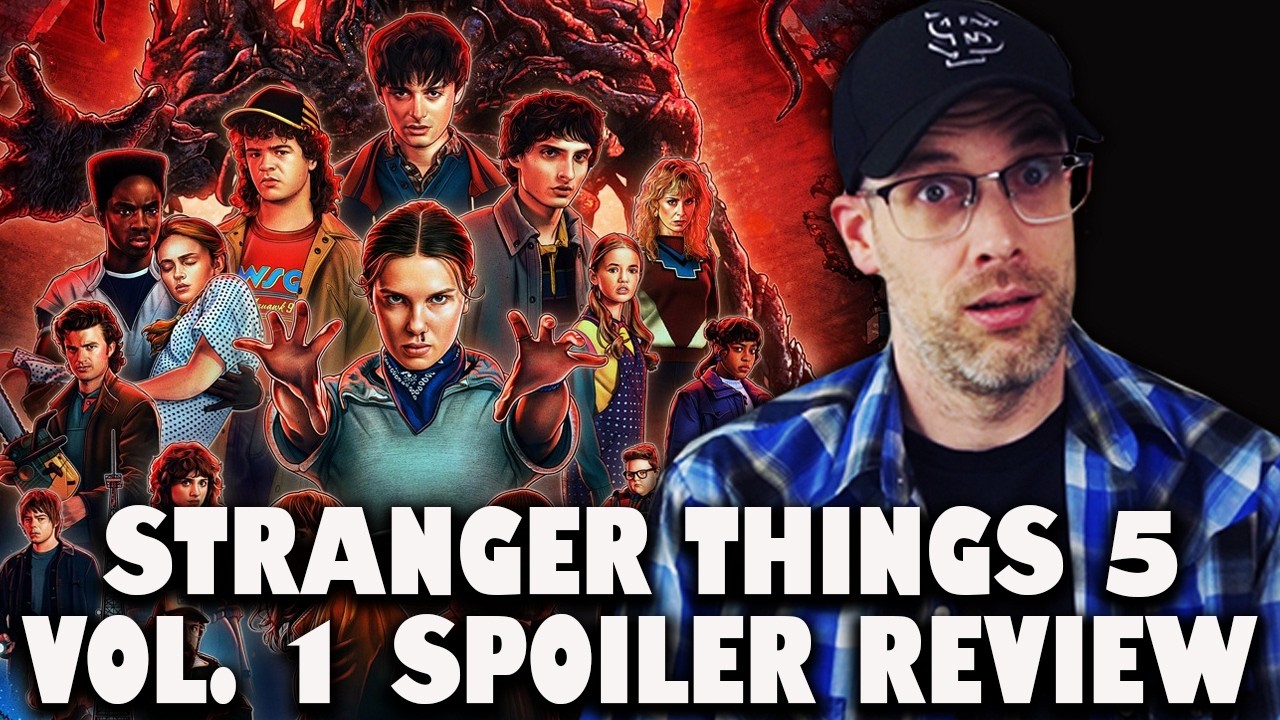
In the first four episodes of the much anticipated fifth season of 'Stranger Things,' viewers are taken into a complex weave of expanding plots and character development. While the visual effects and scale have grown, there are mixed reactions about whether the character-centric moments that defined earlier seasons are present. With the Duffer brothers tasked with wrapping up numerous plotlines, some scenes feel heavy with exposition.
The show continues to juggle between the real world and the upside down, with various groups of characters tackling multiple crises simultaneously. This necessity for exposition sometimes comes at the expense of deeper character interactions, something the show's fans have cherished in previous seasons.
Notably, a few strong moments have been highlighted, such as emotional dialogues between central characters like Hopper and Eleven, and pivotal scenes showing character growth. Despite criticisms, there remains a hopeful anticipation that the season will delve deeper into character narratives as it progresses.
Additionally, significant narrative threads include Max's complex storyline trapped in Vecna's mind prison and the underlying theme of potential time travel with characters like Max and discussions on physics and wormholes.
Vecna's master plan, targeting Hawkins' children, attempts to bring continuity across the series but raises questions on alignment with past seasons' narratives. New adversarial dynamics are introduced, with characters like Will gaining powers to become key figures in this unfolding story.
Speculations abound regarding how these arcs will conclude in the remaining episodes, with hopes for a balance of storytelling elements that have made 'Stranger Things' resonate with audiences.