In the world of film editing, understanding the rhythm and emotion of a scene is key to creating impactful storytelling. This process, often instinctive, relies heavily on the editor's intuition and sensitivity to the subtle cues within the footage.
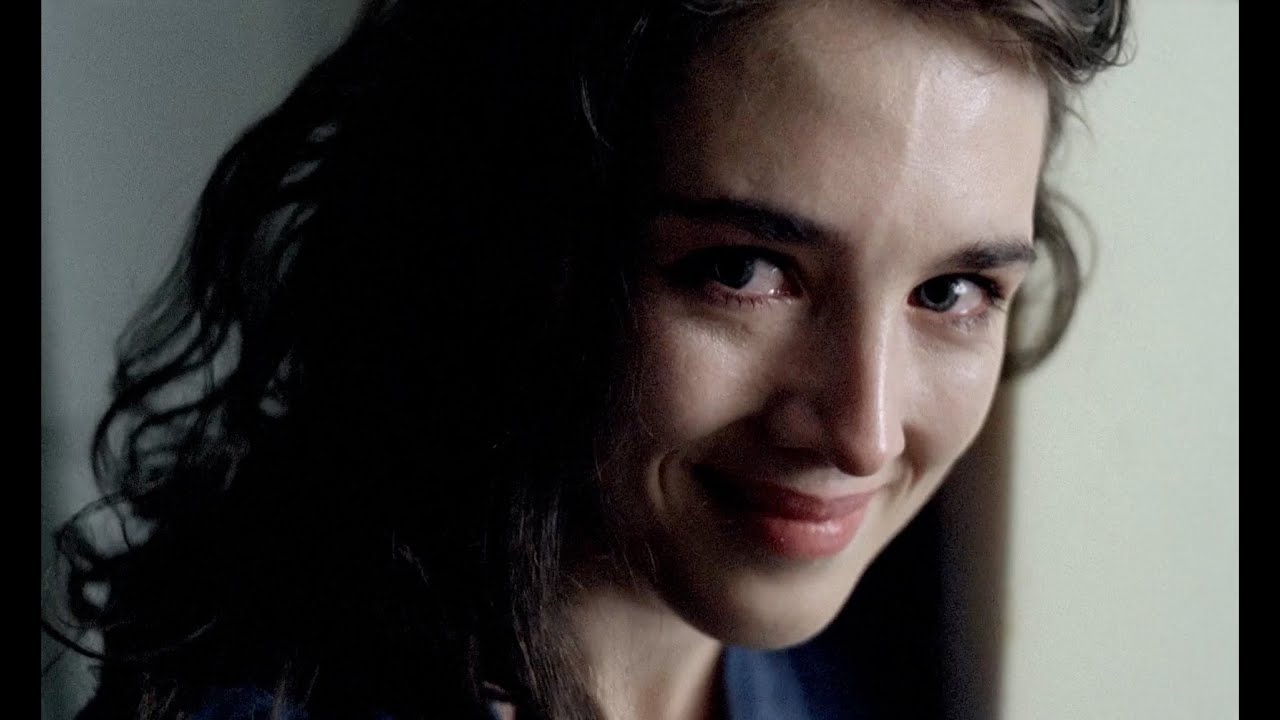
The role of the eyes is paramount in editing. They convey the core emotion of a scene, more so than dialogue. Great actors convey much through their eyes, and editors look for these moments to capture and emphasize emotional shifts. During the selection process, editors seek out changes in an actor's gaze that signal decision-making and emotional transitions.
Editing also involves mastering the timing of emotions. It’s vital to allow viewers time to connect with the characters on screen, both before and after dialogue. Timing these moments is crucial, as emotions require the right amount of screen time to be believable. Even a few seconds can drastically change the audience’s emotional experience.
Considerations of shot length also play a part in this process. Whether in sequences that build up tension or present an emotional journey, the duration of each shot can signal the climax and resolution of a scene. Classic films often spend more time resolving a climax emotionally, compared to more modern films that may rush through these moments.
Editors must also consider the rhythm of the cut. This involves determining the natural pacing of shots, which can vary from sequences filled with action to those capturing everyday life’s subtler rhythms. The choice to adhere to or disrupt these rhythms can significantly alter the viewer’s perception of the scene.
Learning the craft of editing is akin to learning dance; it requires practice and intuitive understanding. Aspiring editors are encouraged to develop their unique sense of rhythm and emotional translation through consistent practice and reflection on these fundamental principles.