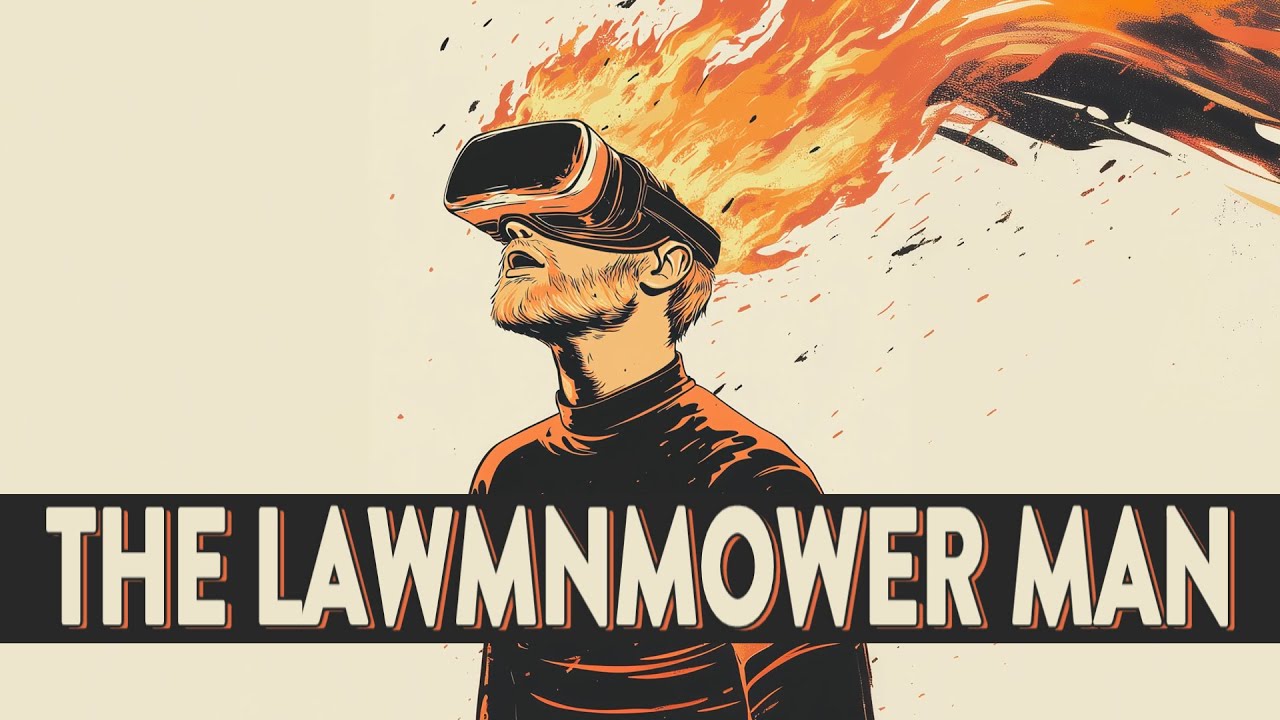
Stephen King's "The Lawnmower Man" originally existed as a short story within his "Night Shift" collection. Despite its origins in horror literature, the path of its adaptation to film is rather unconventional and fascinating. Directed by Brett Leonard, the film diverged significantly from King's narrative, aligning more with an unrelated screenplay initially called "Cyber God." This adaptation became a landmark in blending horror with early 90s virtual reality concepts.
The movie tells the story of Dr. Lawrence Angelo, a researcher in virtual reality who recruits a disabled gardener named Jobe for his experiments. The film explores themes of intelligence augmentation and the perils of misusing advanced technology. As Jobe’s cognitive abilities enhance, the plot delves into ethical dilemmas and unintended consequences, echoing concerns of unchecked progress in cybernetic enhancements.
This adaptation took creative liberties that led to legal disputes with King, culminating in lawsuits over the misleading use of his name. Despite this contention, "The Lawnmower Man" has left a cultural footprint. It stands unique as an exploration of the dangers and wonders of advanced technology, retaining a place in science fiction and horror discussions over three decades later.
Intriguingly, "The Lawnmower Man" is often referenced not only for its narrative but also for its visuals, which at the time set a precedent for the portrayal of virtual realities in cinema. It raises questions about the influence of digital media on human cognition, a debate that remains relevant as technology continues to evolve.