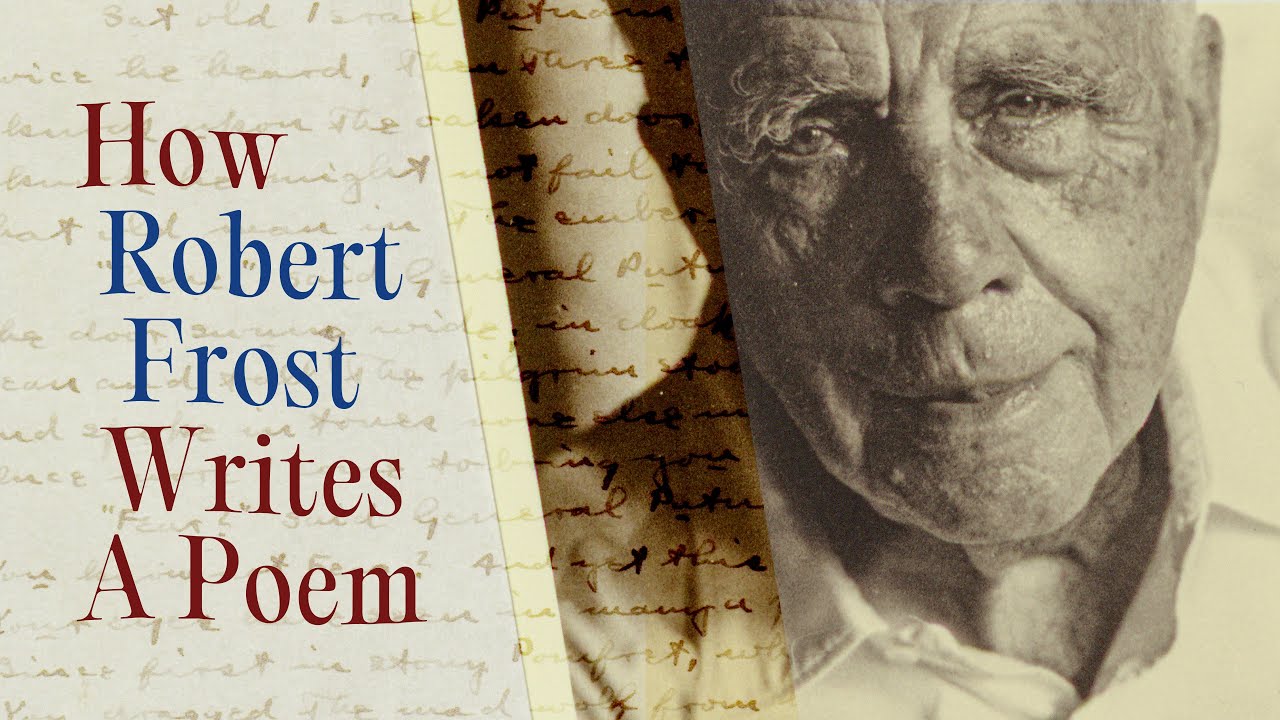
Robert Frost's poem "Stopping by Woods on a Snowy Evening" remains a beloved classic. Composed in about 20 minutes, Frost's 16 lines of poetry are an exercise in the crystalline clarity of imagery, painting a serene winter evening scene.
The poem, known for its simplicity and structure, features four quatrains with an aaba rhyme scheme culminating in the final quatrain where all lines rhyme. The iambic tetrameter rhythm adds to the hypnotic, timeless quality that the narrator experiences watching the snowy woods.
This poem, though accessible in its conversational phrasing, contains a tension between the mystical solitude of nature and the obligations of the real world, underscored by the narrator's routine disrupted by a scene of nature's beauty.
Critics often debate the symbolism of the woods as Frost's work is terrestrial and grounded, yet offering glimpses into a transcendental realm, inviting reflection on duties and the eternal pull of nature.
Frost used conversational tones, what he termed the "sound of sense," making his poetry relatable yet profound, highlighting the subtle contrasts between human-imposed order and the mystique of untouched nature.