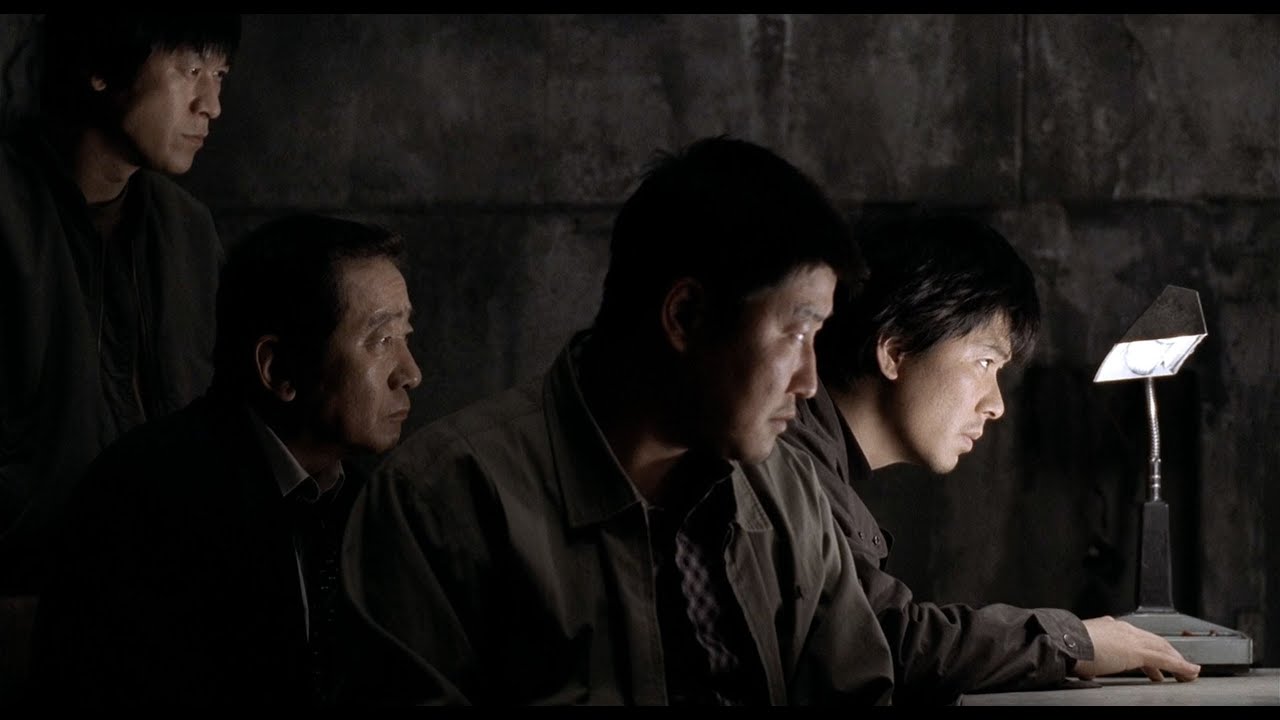
In this exploration of film direction, we delve into the idea of ensemble staging as a powerful technique to direct audience attention without relying on cuts. This method emphasizes actors performing together within the same frame, allowing for a more natural flow of storytelling and a deeper focus on character interaction.
Alexander Mackendrick emphasized that a director's main task is to direct the audience's attention by emphasizing what is important while under-emphasizing less critical elements. Traditionally, directors have achieved emphasis through quick cuts between close-ups. However, this can become exhausting for both the actors and the audience.
Ensemble staging, on the other hand, involves placing all actors in the frame, enabling them to perform together. This method makes use of several techniques such as lighting, focus, movement, body position, and social cues to guide the audience's attention.
One compelling example is from director Bong Joon-ho, whose use of ensemble staging allows multiple narratives to coexist within a single frame, creating a rich tapestry of interaction and meaning without resorting to constant cuts.
This approach not only underscores thematic elements but also maintains audience engagement by allowing the natural dynamics between characters to unfold organically. It's a testament to the power of clever staging and direction in film.
Such techniques are becoming rarer in modern cinema, where the tendency is to use quick cuts to convey emotion and emphasis. Ensemble staging thus stands as a valuable reminder of a time when performances and scene compositions carried the storytelling weight.