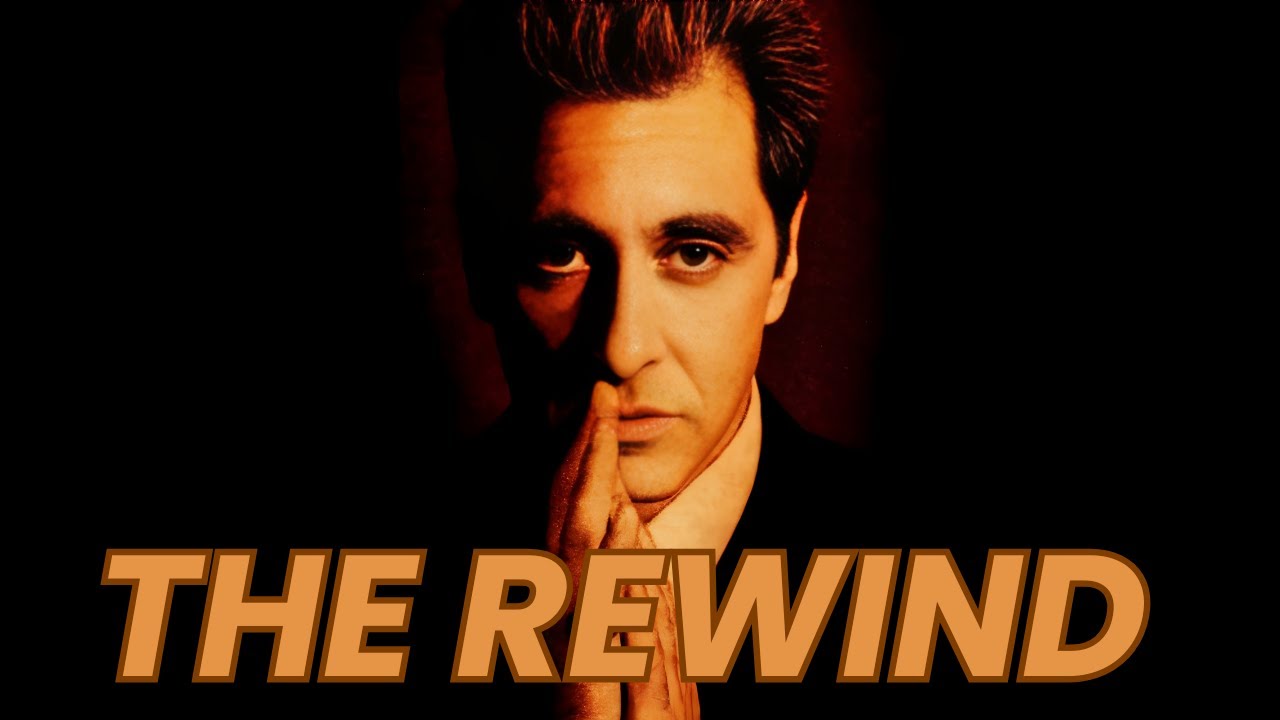
Today, we delve into the making and legacy of "The Godfather Part III," the concluding chapter of the Godfather film franchise. Starring Al Pacino as Michael Corleone, the film follows his attempt to legitimize his criminal empire through a significant investment with the Vatican. The narrative also introduces Vincent Mancini, played by Andy Garcia, as a key figure for the future of the Corleone family.
Despite being considered the least revered film of the trilogy, "The Godfather Part III" was a box office success, earning several Oscar nominations. It continues to have a dedicated fanbase, who appreciate its moments of brilliance although acknowledging its flaws, such as the controversial casting of Sofia Coppola.
Chris Bumbray, editor in chief of JoBlo.com, joins the discussion to explore the film's highs and lows, comparing it to Michael Jordan's tenure with the Washington Wizards—good but not quite reaching past glories. Bumbray, who saw "The Godfather Part III" as his entry into the series, reflects on its initial confounding narrative but has grown to appreciate its complexities over time.
The conversation touches on significant moments such as Al Pacino's performance and key scenes like the confession, while also addressing Sofia Coppola’s casting controversies. The re-edit, "The Godfather Coda: The Death of Michael Corleone," is noted for its attempts to improve the film's flow and coherence.
The film’s production journey is discussed, including attempts to extend the franchise and Sylvester Stallone's surprising involvement in early developments. The dialogue highlights the balance between commercial success and artistic intent observed in Francis Ford Coppola’s directorial choices.
"The Godfather Part III" remains a fascinating chapter in the saga, praised for its ambition and artistic intent, yet critiqued for missteps in casting. With its unique place in cinematic history, it invites continued discussion and varying opinions, making it a topic of both admiration and debate among film enthusiasts.