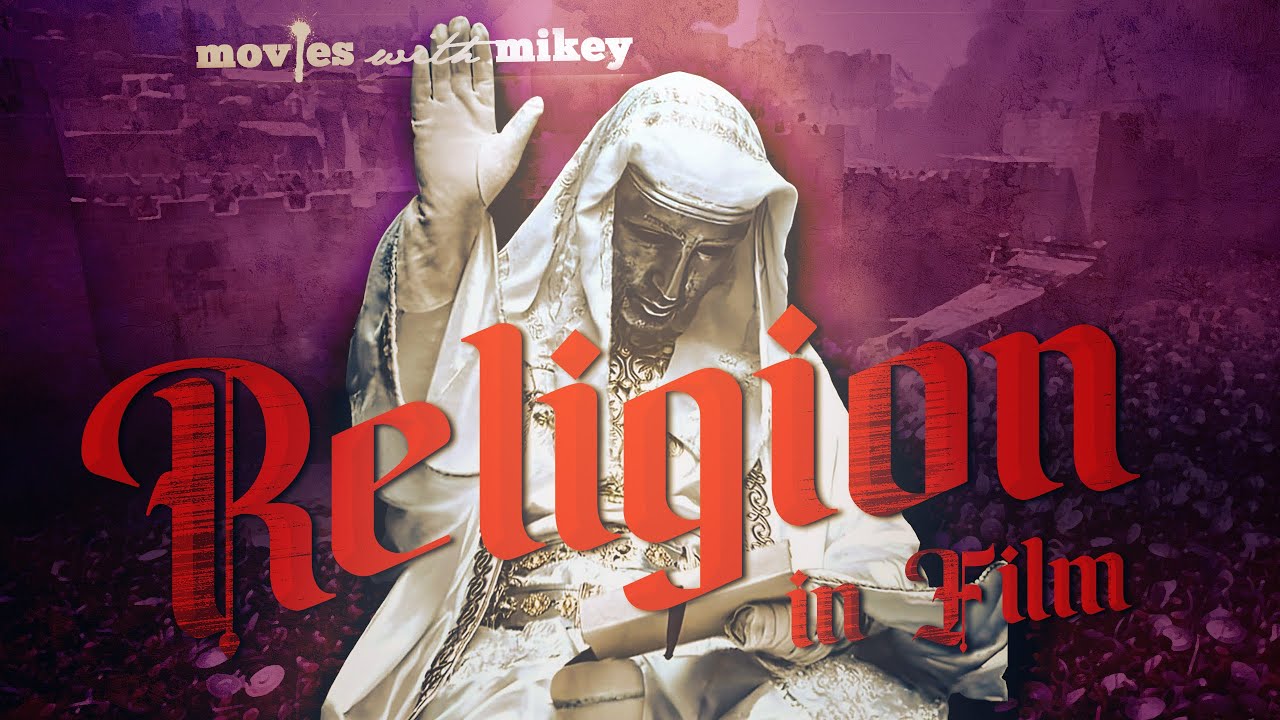
In 2005, Ridley Scott released 'Kingdom of Heaven', a film exploring the complexities of organized religion and humanity's capacity for good. Originally met with mixed reviews due to a heavily edited theatrical cut, the film received new life through a director's cut on Blu-ray. This version restored 45 minutes of footage, transforming it into a masterpiece that deeply delves into themes of faith, morality, and history.
The movie takes place during the Crusades, focusing on a blacksmith named Balian who travels to Jerusalem. His journey demonstrates the clash between religious zealotry and genuine human compassion. Through Balian's story, Scott questions the motivations behind historical religious conflicts and presents a vision of peace in diversity.
'Kingdom of Heaven' features a stellar cast including Orlando Bloom, and examines historical figures like Baldwin IV, the leper king, and the political complexities of the Crusades era. The film also highlights the role of faith in both personal redemption and as a tool for war, providing a nuanced view on spiritual belief systems.
Scott's work is a commentary on both contemporary and historical religious conflicts, making it relevant even today. The director's cut emphasizes the narrative's richness, making it one of the greatest examples of how such versions can significantly reshape a film's reception and legacy.