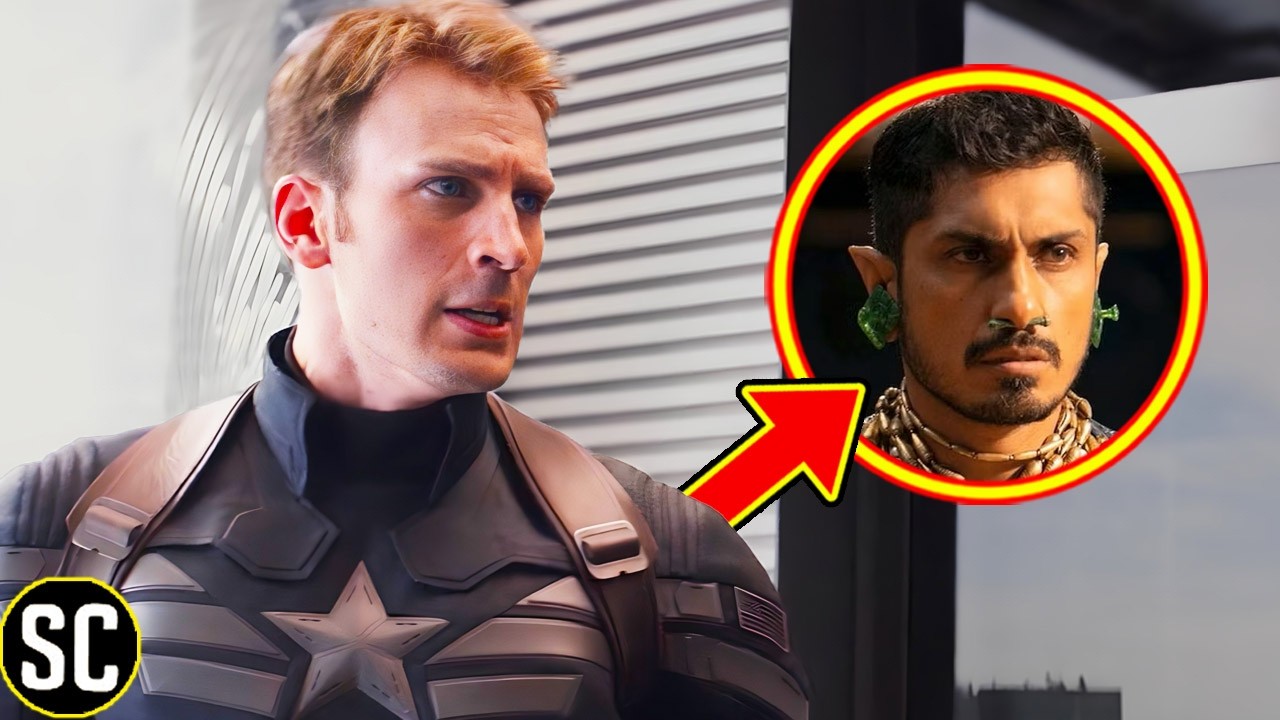
Hey, welcome back to Screen Crush. I'm Ryan Ary, and this is all of the Easter eggs, references, and little things you might have missed in Captain America: The Winter Soldier. We've gone deep into this breakdown, reading books, watching interviews, and reviewing the movie multiple times frame by frame. We are really proud of this video.
Before delving into the movie, it's essential to consider the film's origins and the movies that inspired its creators. The core theme of The Winter Soldier is freedom versus fear, symbolized by the leads, Steve Rogers and Bucky Barnes. Historically, Steve was a symbol of freedom, whereas Bucky was subtly used as an instrument of fear. Interestingly, the title The Winter Soldier is misleading, seemingly referencing Bucky's Siberian origins. However, thematically, Steve Rogers embodies the Winter Soldier because he stands firm during dark times, supporting friends, even if it means facing brainwashed assassins.
The movie is rooted in the Winter Soldier Captain America storyline by Ed Brewaker and Steve Epstein. Joe Russo, co-director, highlighted Brewaker's brilliance in deconstructing mythology, making him relevant and suitable for the espionage genre. The Russo brothers, previously known for sitcom direction, brought unique action sequences to Marvel Studios, fitting perfectly with Kevin Feige's larger studio system vision. Feige and producer Nate Moore wanted the movie to echo a 1970s conspiracy thriller atmosphere, drawing inspiration from films reacting to post-Watergate and Vietnam War distrust in government.
Numerous classic films influenced the stylistic choices in The Winter Soldier, notably Marathon Man, The Conversation, and Three Days of the Condor, affecting plot structure and tension-building scenes. A key part of the narrative includes the duality themes visible in the movie's characters, Steve and Bucky, and larger organizations like S.H.I.E.L.D. and Hydra.
This breakdown dissects various scenes, from the opening sequence difficulties faced at the Washington National Mall to character development moments, such as Steve's interactions with Sam Wilson, aka Falcon, evolving his character beyond a man out of time. The creators infused authentic combat styles and choreographed action with finesse, emphasizing Captain America's evolved combat skills.
Yet, nuanced details like Steve's notebook illustrating his cultural catch-up, and significant conversations with pivotal characters like Nick Fury and Natasha Romanoff help weave a story that is as much about individual versus systemic battles.
Moreover, this analysis comments on select scene homages, like adopting techniques from iconic 70s cinema to modern storytelling through the lens of superhero narratives, explaining techniques like Cinema Verite to achieve documentary realism, lacing a sense of grounded reality amid the superhero exploits.
Ultimately, the video review aims to unravel The Winter Soldier’s intricate layers beyond its surface plot, illustrating its masterful blend of genre homage, narrative strength, and character development. This deeper understanding enriches viewers' appreciation of the film’s craftsmanship and historical roots within the comic and cinematic universe.