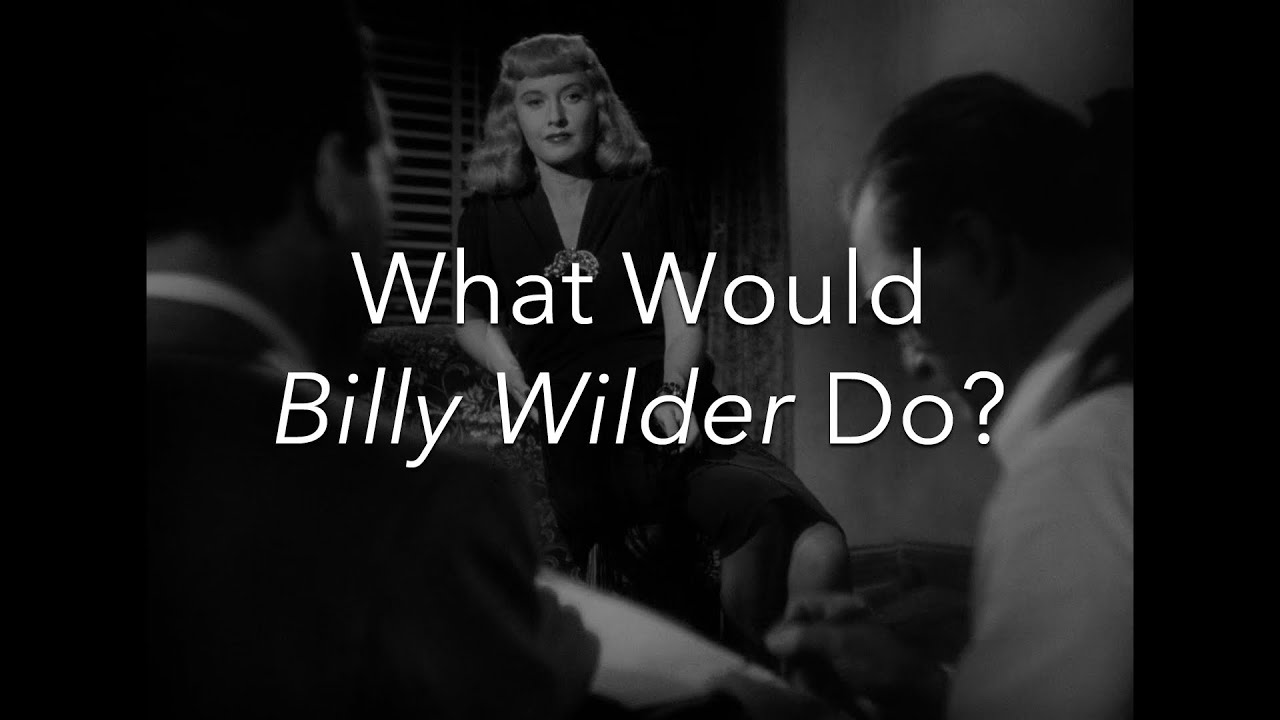
Billy Wilder, an iconic name in the annals of filmmaking, is celebrated as one of the giants of the classical Hollywood era. From directing to co-writing 25 feature films between 1942 and 1981, Wilder carved a niche for himself as both a writer and director of rare brilliance.
His scripts, rigorously collaborative efforts, were renowned for their clarity and ironic humor. Wilder’s screenplays excelled in three types of irony: verbal, dramatic, and situational—often hiding characters' true intentions beneath layers of witty dialogue.
As a director, Wilder emphasized simplicity. He believed that complex scripts required simple yet powerful direction. His technique involved minimal camera setups, focusing on the emotional subtext rather than flashy visuals, a lesson learned from his favorite director, Ernst Lubitsch. This approach allowed audiences to engage deeply with the narrative.
Wilder's legacy endures through his masterful blending of writing and directing, showcasing how these arts complement each other and his ability to find humor in all narratives, even amidst his biggest successes and failures.