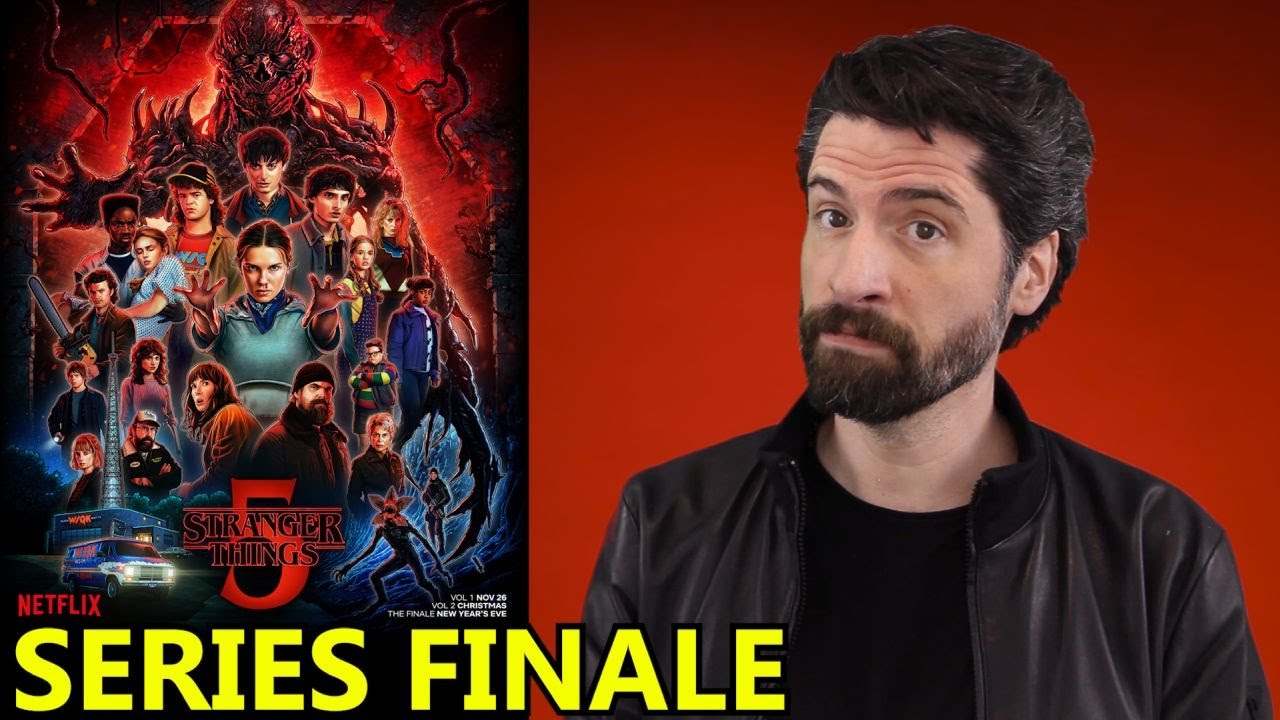
The finale of "Stranger Things" Season 5 marks the end of a beloved series, delivering both thrilling action sequences and touching emotional moments. Here's a comprehensive look at the highlights and missteps of this concluding chapter.
This analysis includes spoilers for the "Stranger Things" series finale. Despite a slow narrative at times, the finale accelerates towards an emotional and climactic end. Key episodes left a mixed impact, blending plotlines that didn't always maintain coherence with the customary appeal of emotional investment.
In Part 2 of Season 5, character arcs develop amidst the chaos. A notable subplot involves a couple debating their relationship status in a scenario reminiscent of popular TV drama tropes, while Will's coming out provides a brief but impactful moment.
One of the contentious scenes involves Max and Holly in a suspenseful yet drawn-out escape through the upside-down, which creatively borrows from prior seasons but lacks the dire urgency expected in such situations. The Duffer Brothers evidently prioritized character moments over the scientific or narrative consistency that some fans might demand.
New characters introduced in this season brought varying dynamics, notably "Delightful Derek," whose presence was refreshing. However, there remained a sense of fatigue among the original main actors, contrasted by the younger cast's determined performances. This is a nod to the evolving hierarchy within the series cast, where Season 5's main protagonist changes.
The finale also features an inception-like journey through various dimensions, including Vecna's mind—a thematic and literal labyrinth ending with a revelation about the reality of the upside down and its connection as merely a gateway to a more profound Dimension X.
The showdown, featuring L's confrontation with Vecna, showcases classic "Stranger Things" CGI intensity, albeit at a grander, more monstrous scale. Winona’s bravado with an axe brings a visceral end to an overstretched antagonist, illustrating the writers' struggle with maintaining tension until the closing scenes.
Despite such high stakes, “Stranger Things” doesn't purely hinge on its supernatural elements; its emotional gravity lies in the characters' journey towards adulthood and life's inevitable transitions. The conclusion ties loose narrative threads while providing closure to its ensemble cast, capturing the bittersweet essence of moving beyond childhood into adult realities.
Ultimately, the thoughtful execution of these emotional beats allows the finale to stir genuine nostalgia and satisfaction, ensuring its place as a memorable but complex chapter in the "Stranger Things" saga. The legacy of "Stranger Things" casts a wide net, with an evocative reminder of what initially made it resonate—a union of supernatural intrigue and the profound simplicity of growing up.