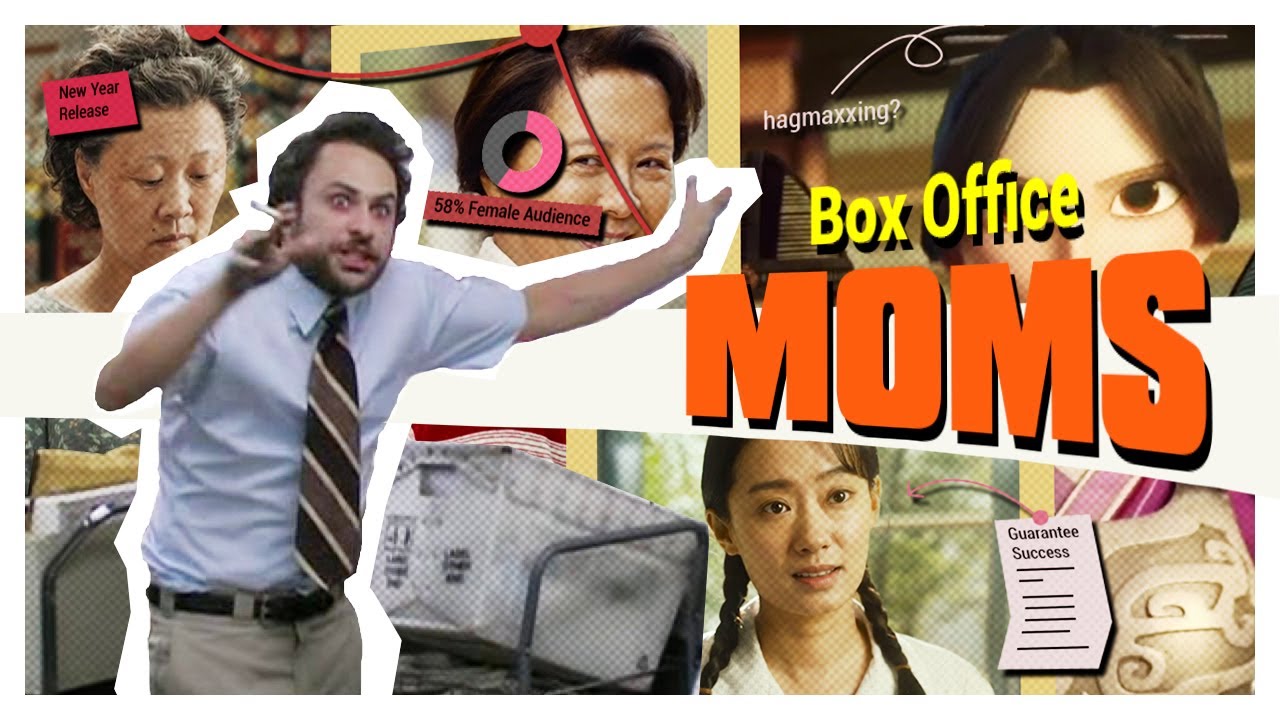
This article explores the increasing box office success in China and the unexpected factors contributing to it. Recent claims have arisen about the Chinese box office records, where some suggest government manipulation, marketing tactics, or even money laundering. However, a significant influencer is the 'mommy economy', as Chinese parents are driving cinema growth much like Nintendo's Wii captured families worldwide.
In Mainland China, the film release windows show summer as a prime time, typically featuring Hollywood blockbusters and Chinese films aimed at younger audiences. Additional key movie periods include the 'Golden Weeks' and the most lucrative, Lunar New Year, where cinema becomes a family event. This period attracts various audiences, including those who usually prefer TV dramas, due to public goodwill and convenient viewing schedules.
'Wolf Warrior 2', an unexpected success, exemplifies this familial trend. Older generations found nostalgia in its war film themes reminiscent of past cinema, showcasing patriotism similar to movies enjoyed on home media rather than theaters due to cultural preference. As the film became a hit among older viewers and their families, a new market emerged, increasing revenue beyond individual ticket sales.
Family-centered films carry notable success, especially those emphasizing moms and family dynamics. The highest-grossing movies blend comedy and emotional appeal, making them popular choices among generations. The recent 'Hi, Mom' succeeded during the pandemic by connecting emotionally with audiences, transforming theater visits into popular family traditions.
Despite this surge, both globally in Hollywood and in China, younger consumers face economic pressures leading to reduced cinema attendance. This decline suggests a trend demanding close observation, as the future of movie-going experiences economic uncertainties.