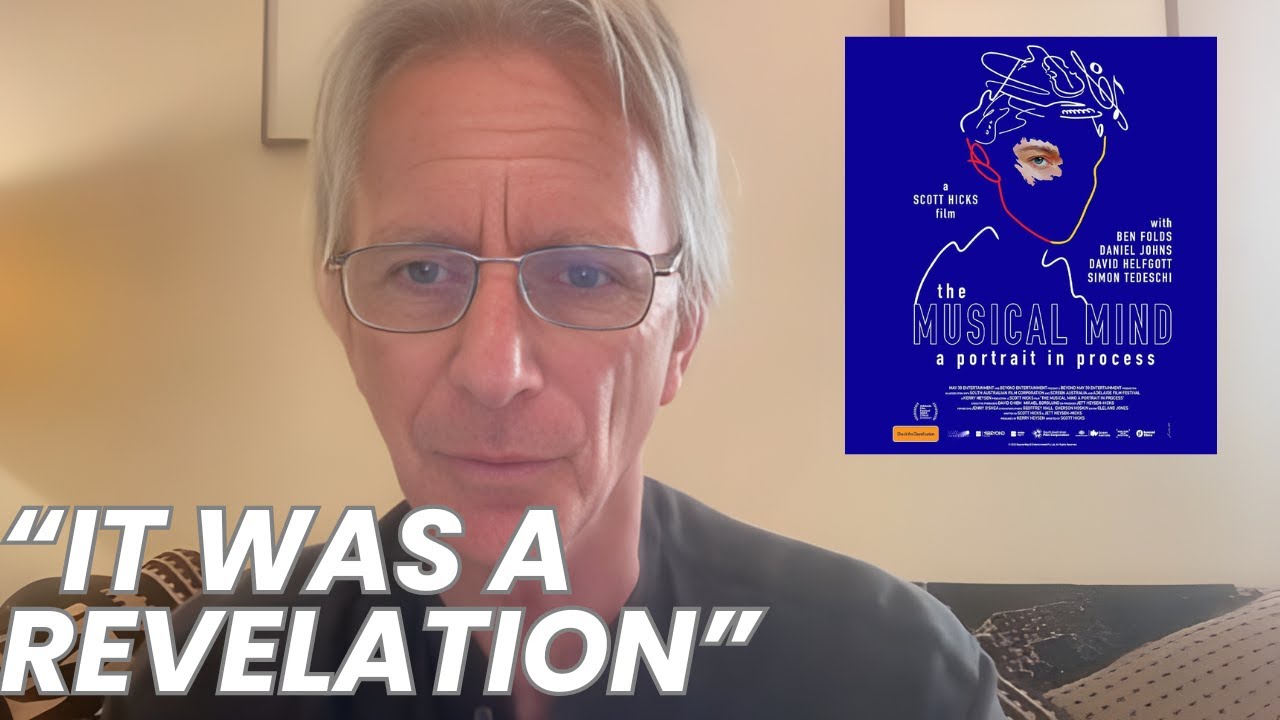
One key theme in the film explored is the relationship between music and mental health, particularly in the context of neurodiversity. The filmmaker shares personal anecdotes, such as having an autistic son and a sister who, after a severe car accident, could still play music despite impaired physical and mental abilities. This illustrates the mysterious and profound influence of music on the brain.
The director reflects on learnings from his interactions with musicians like Ben Folds, who disclosed his disruptive behavior as a child and how musical intervention helped shape his future. An encouraging teacher recognized his talent and modified his behavior through music.
Furthermore, the film highlights the therapeutic benefits of music and its ability to aid memory recall, especially in people with conditions like stroke. Music's impact on academic performance and cognitive development in children is also underscored, advocating for early music education in schools.
Anne Feland, a conductor featured in the film, emphasizes how music ignites the entire brain, enhancing learning and intelligence among her orchestra members. She advocates for music's inclusion in early education, describing its capacity to engage the brain wholly, as opposed to fragmentary activation from speech. This perspective strengthens the argument for making music a compulsory part of educational curricula.
The director concludes that while the medical specifics remain complex, the anecdotal evidence strongly supports music as an invaluable tool for mental and cognitive benefits.