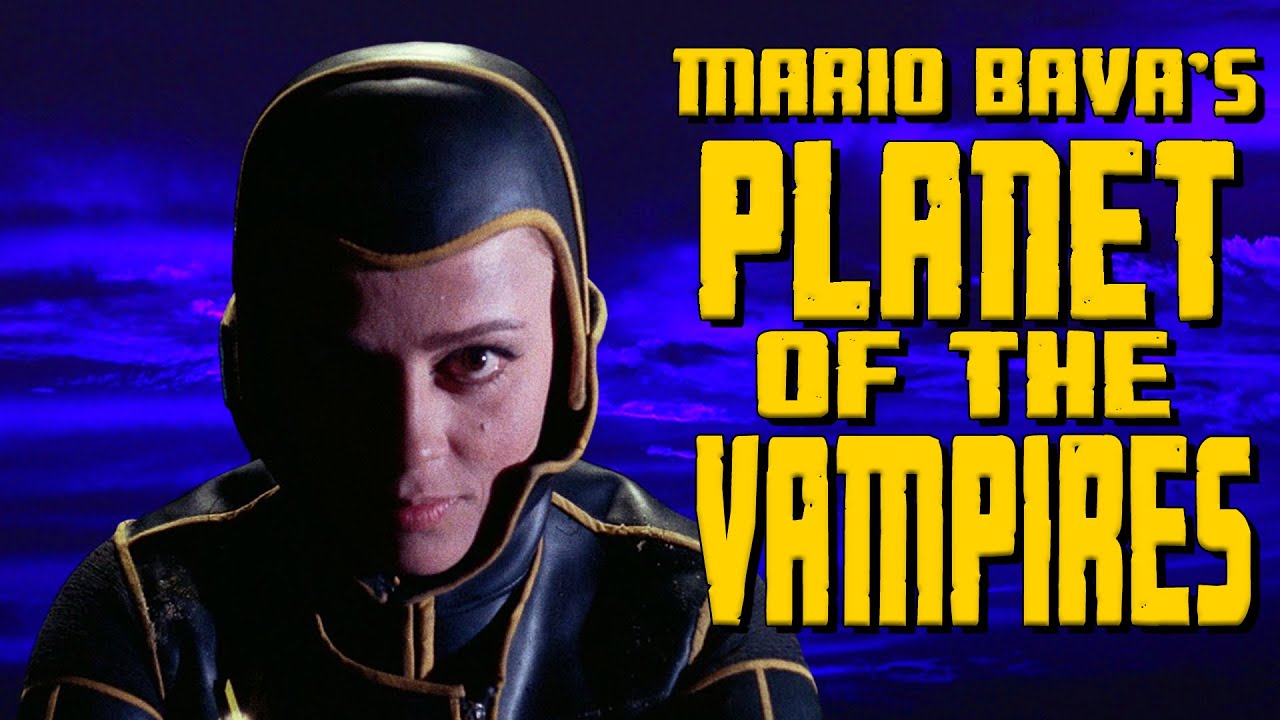
The spotlight is on Mario Bava's influential 1965 sci-fi film "Planet of the Vampires." Despite its perhaps misleading title and poster, the movie is a remarkable example of filmmaking excellence.
With the collaboration of Barva's regular cinematographer Antonio Raldi and set designer Giorgio Giovani, the film succeeds in creating a visually compelling and believable world both inside the spaceship and on the planet's fog-covered landscape.
"Planet of the Vampires" is one of those rare films that benefits from its limited budget, focusing instead on atmospheric tension and clever use of miniatures and sets. The combination of science fiction with Barva's signature gothic horror style draws comparisons to Ridley Scott's classic, "Alien," particularly the ghost story-like presence set on an alien planet.
While plot details are best left undisclosed to avoid spoilers, the film follows astronauts landing on a remote planet to assist colleagues, only to find that they are not alone, and they are not the first to face this mysterious threat. The presence on the planet has the unsettling ability to manipulate unconscious minds, enhancing the film's eerie atmosphere.
Throughout the narrative, Bava retains an undercurrent of genuine tension and terror, paving the way for future sci-fi horror projects. The film's direction maintains a steady commitment to horror, which likely influenced the genre, notably in the DNA of "Alien." It's a story of space-bound ghostliness, featuring Barry Sullivan as the resilient mission captain whose demeanor suggests vulnerability beneath his stoic leadership.
A noteworthy element is the active participation of female crew members in action scenes, a progressive narrative choice for its time. Though not all effects withstand the passage of time, the storytelling and tension are timeless.
In 1965, American International Pictures did not commonly draw critical attention for science fiction, yet "Planet of the Vampires" stands as a self-demonstrating exception to genre limitations. Its potential impact, if released today, might clash with modern preferences for fast-paced storytelling, yet it deserves its status as a cult classic, worth seeking out on platforms like YouTube or Daily Motion.