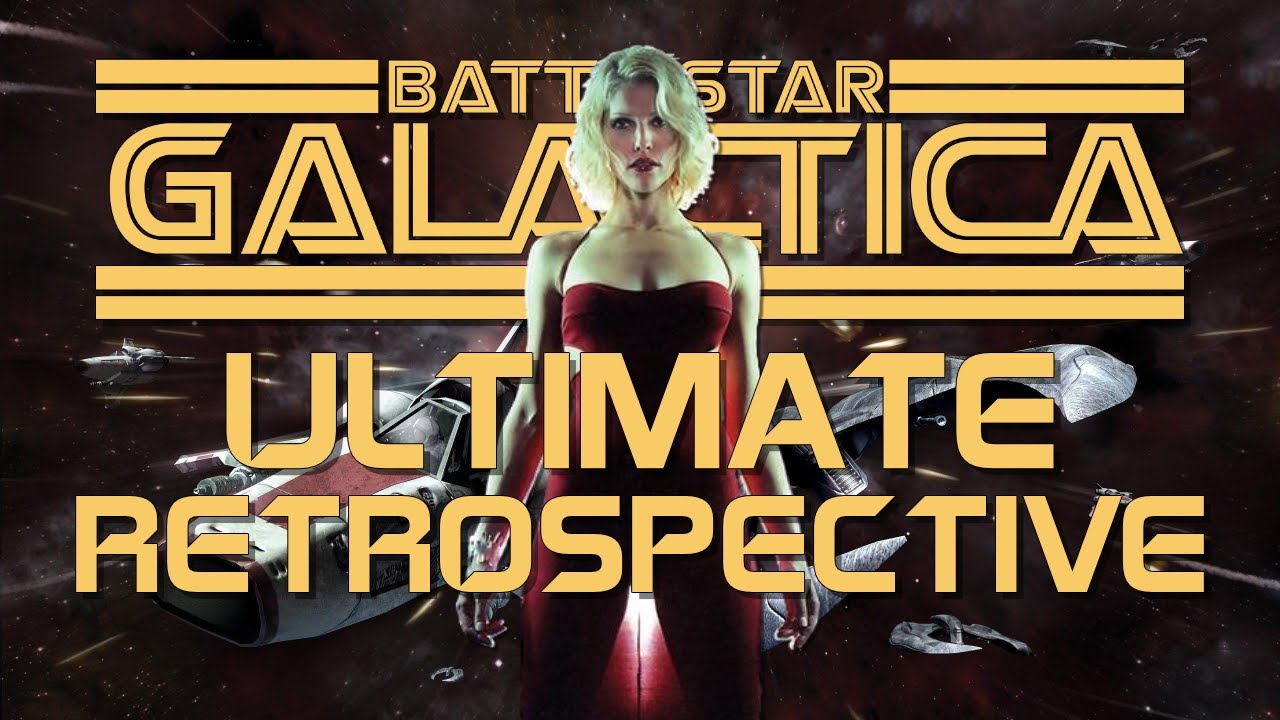
In the late 1970s, following the sensational success of Star Wars, Hollywood studios scrambled to produce their own sci-fi hits. Paramount introduced Star Trek: The Motion Picture, while Disney ventured into Black Hole. Universal, however, embarked on Battlestar Galactica, which would eventually carve out a distinctive place in the science fiction genre.
Although Star Wars' success catalyzed the creation of Battlestar Galactica, its origins trace back to the 1960s. The series' creator, Glenn A. Larson, drew inspiration from his love of science fiction, mythology, and ancient history to conceive a novel concept mentored by Star Trek producer Gene L. ___. Initially dubbed Adam's Ark, Larson’s vision blended Christian allegory with space opera, narrating the saga of humans in search of their lost brethren on Earth. After several years dormant in Larson’s drawer, the project, renamed Galactica, finally gained momentum during the late 1970s as Larson's television success paved the way for its development.
Battlestar Galactica initially launched as a miniseries—a relatively bold format at the time—which conferred a sense of prestige unusual for the genre. In contrast to regular TV, its cinematic scope was underscored by the involvement of several Star Wars veterans like concept artist Ralph McQuarrie and special effects pioneer John Dykstra, the latter introducing the sophisticated visual technologies that characterized Galactica's spectacular battles.
The casting included several established television stars such as Lorne Greene, whose presence lent gravitas to the lead role of Commander Adama. Other notable actors included Richard Hatch as Apollo, Dirk Benedict as Starbuck, and Jane Seymour portraying Serena, emphasizing the show's commitment to rich character development.
While Battlestar Galactica captivated audiences with its groundbreaking visuals and orchestral compositions by Stu Phillips, it also faced criticism for its perceived imitation of Star Wars. Despite these challenges, the series quickly achieved cult status and has continued to influence the broader cultural landscape.
Fast forward, the 2003 re-imagined series further cemented Battlestar Galactica's legacy, eschewing traditional sci-fi tropes in favor of a gritty, realistic military drama revered for its complex narratives and moral questions. This evolution demonstrated the franchise's ability to adapt and resonate with contemporary audiences over decades.