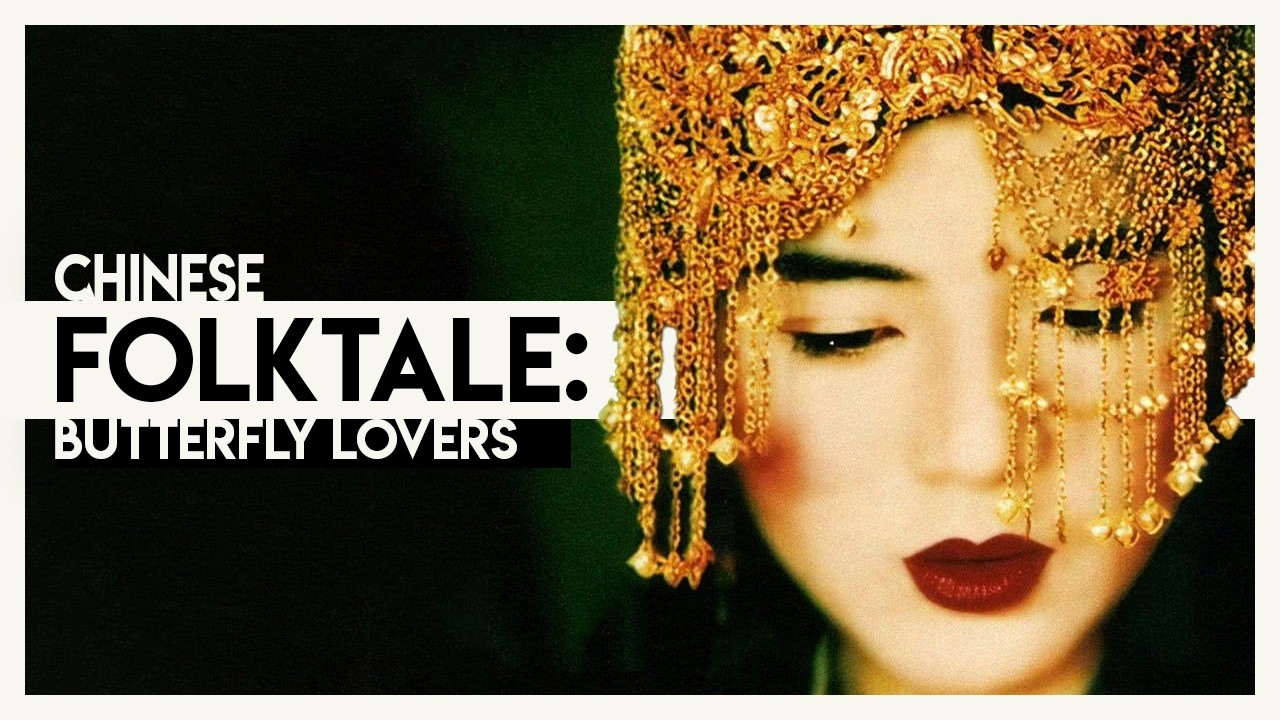
'The Butterfly Lovers' is one of China's most beloved folktales, telling the tragic love story of Zhu Yingtai and Liang Shanbo. In this series, we explore the evolution of this tale through various film adaptations and see how each version reflects the time it was created.
Our first film is 1963's 'The Love Eterne' by Shaw Bros., known for its cross-gender casting. This adaptation is faithful to the Shaoxing opera version, including key moments like Yingtai feigning illness to attend school disguised as a boy. Additionally, the film reflects the feminist shift of the 1960s, highlighting Yingtai's defiance against patriarchal norms.
'The Lovers', directed by Tsui Hark in 1994, reimagines the story with a modern twist, omitting some traditional elements but retaining the core essence of the tale. This version emphasizes the romance more deeply, aligning with the 90s' more progressive societal views.
Each adaptation of 'The Butterfly Lovers' not only recreates a timeless story but also captures the socio-cultural changes of its time, from feminist themes to queer subtexts. The enduring nature of this story continues to resonate as a protest against societal expectations imposed on women.