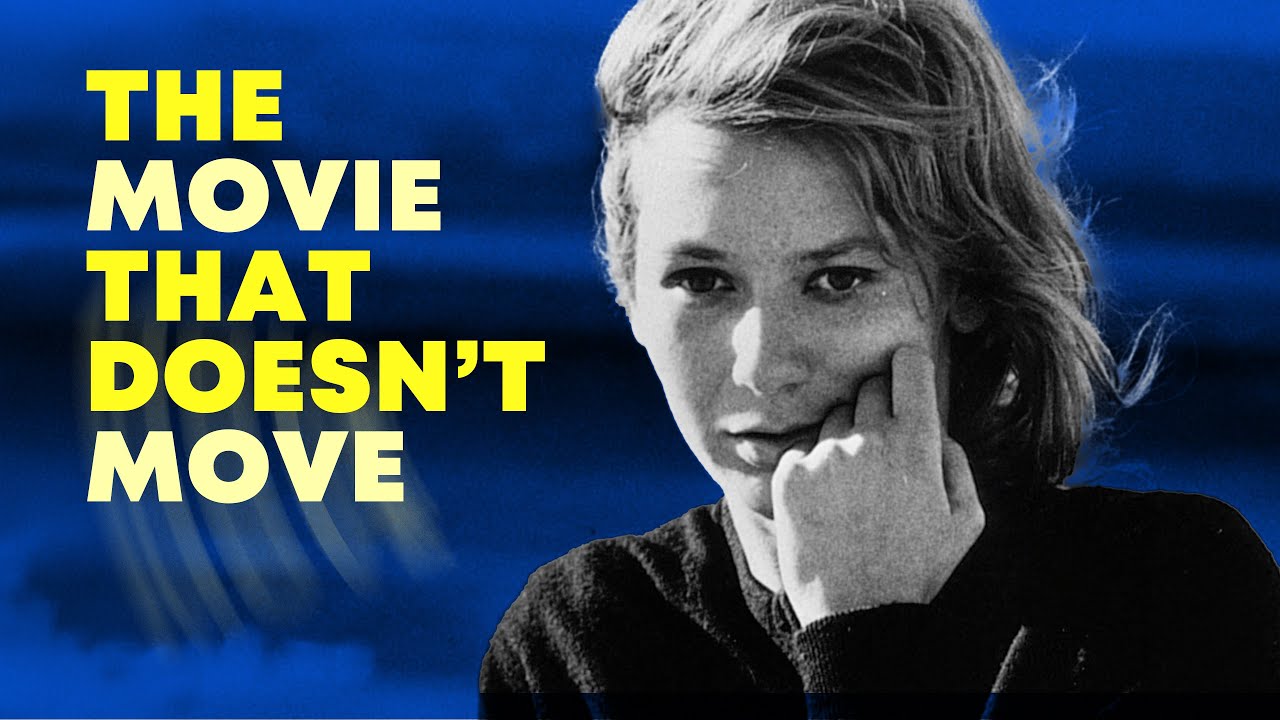
The 1962 short film 'La Jetée' by Chris Marker stands out in cinematic history for its innovative use of still images. Comprised of 422 photographs, the film tells the story of a man used in time travel experiments, set against a post-apocalyptic Paris ravaged by World War III. Strikingly, the narrative unfolds entirely through photographs, a technique Marker described as a 'photo novel'.
The protagonist, a prisoner under the destroyed city, is chosen for time travel due to a potent memory from childhood—witnessing a woman's face on a pier and a man's death at Orly Airport. Though the experiment aims to transport him to the future, initial trials send him to the past, where he interacts with the woman. This dynamic showcases the essence of human connection across time.
Marker’s choice to use still images differentiates 'La Jetée' from modern cinema. While traditional films use 24 frames per second to create movement, Marker presents one image every four seconds, requiring the audience to consciously piece together the story and engage deeply with each frame's stillness.
'La Jetée' also served as the inspiration behind the movie '12 Monkeys', and its themes are evident in many subsequent sci-fi narratives. The film’s stable time loop narrative suggests that every moment is predetermined, an eternal paradox leaving the protagonist powerless, unveiling a deterministic universe where change is unattainable.
The profundity of 'La Jetée' lies not only in its narrative but in its philosophical musings on time and memory, depicted as static and fragmented. Yet, within these confines, human emotion and love transcend the limitations of time, offering a momentary escape depicted in one fleeting scene where time appears to shift momentarily.
Overall, 'La Jetée' challenges viewers to reconsider the nature of film as a medium, memory, and time travel, achieving a unique blend of narrative and visual storytelling that remains influential in cinema today.