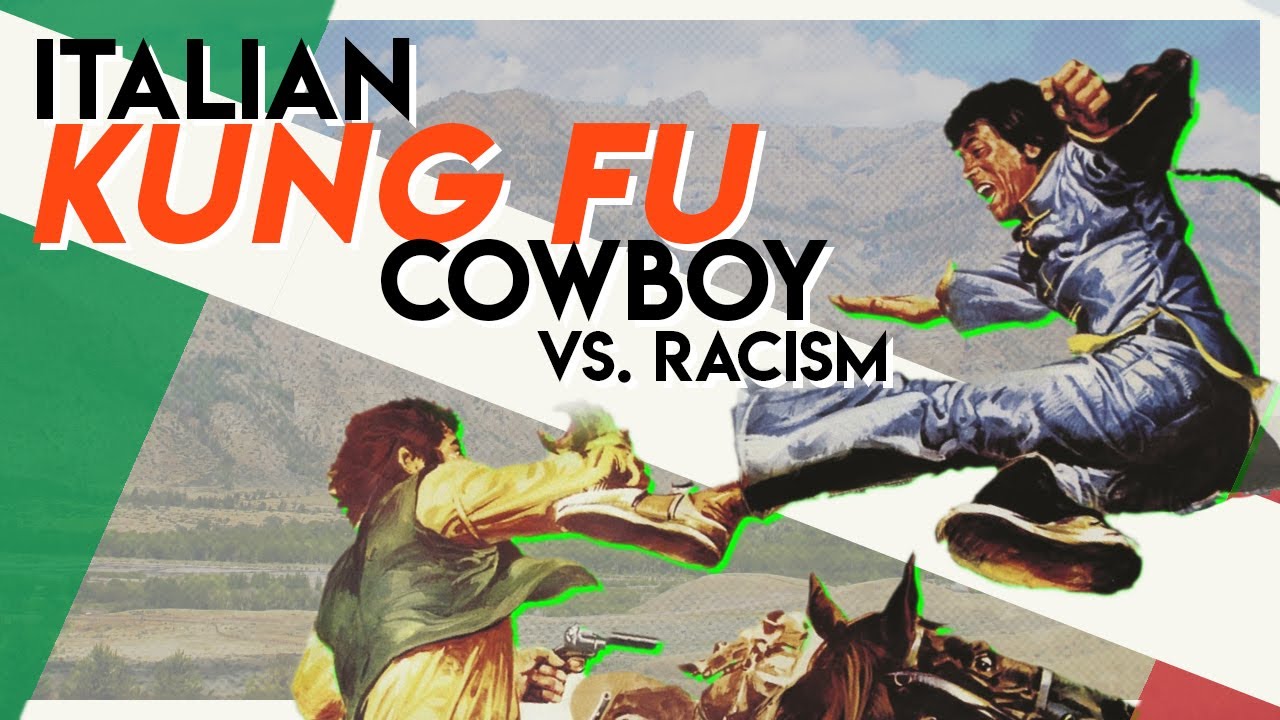
"Shanghai Joe," a 1973 Italian Western film, stars a Japanese actor portraying a Chinese immigrant in Texas, aspiring to overcome racism and become a cowboy. This bizarre premise is just part of the larger phenomenon of Italian films during that era, known for unofficial remakes and sequels targeting the American market. With titles made before their American counterparts like Alien 2 or Terminator 2, Italian studios often impersonated American productions, and "Shanghai Joe" is no exception.
The story follows Joe, played by Japanese actor Myoshin Hayakawa (under the name Chen Lee), a Chinese immigrant arriving in America seeking new life. Through a series of encounters, Joe repeatedly faces racism but overcomes it with his extraordinary kung fu skills, reminiscent of video game levels. His journey takes a turn when he uncovers a slave trafficking ring, prompting him to fight against the injustice, aiming to protect American values of freedom and equality.
The film's latter half showcases Joe battling four assassins, culminating with a confrontation against a racist stereotype. Despite its seemingly ridiculous plot, "Shanghai Joe" reflects the curiously adventurous and imitation-driven nature of Italian cinema in the 70s, inspired partly by the American fascination with kung fu during the same period.
"Shanghai Joe" was produced at Cinecittà Studios, a key player in what was called "Hollywood on the Tiber," where many American epics were filmed post-WWII. As a part of this era, Italian filmmakers admired and imitated American films, leading to various cross-cultural productions. The global kung fu craze of the early '70s only heightened this trend.
Despite the outdated execution, the film embodies a child-like curiosity and sincerity in its portrayal of American culture, even with its exaggerated stereotypes. Today, it stands less as a serious commentary and more as a relic of cultural curiosity from the past.