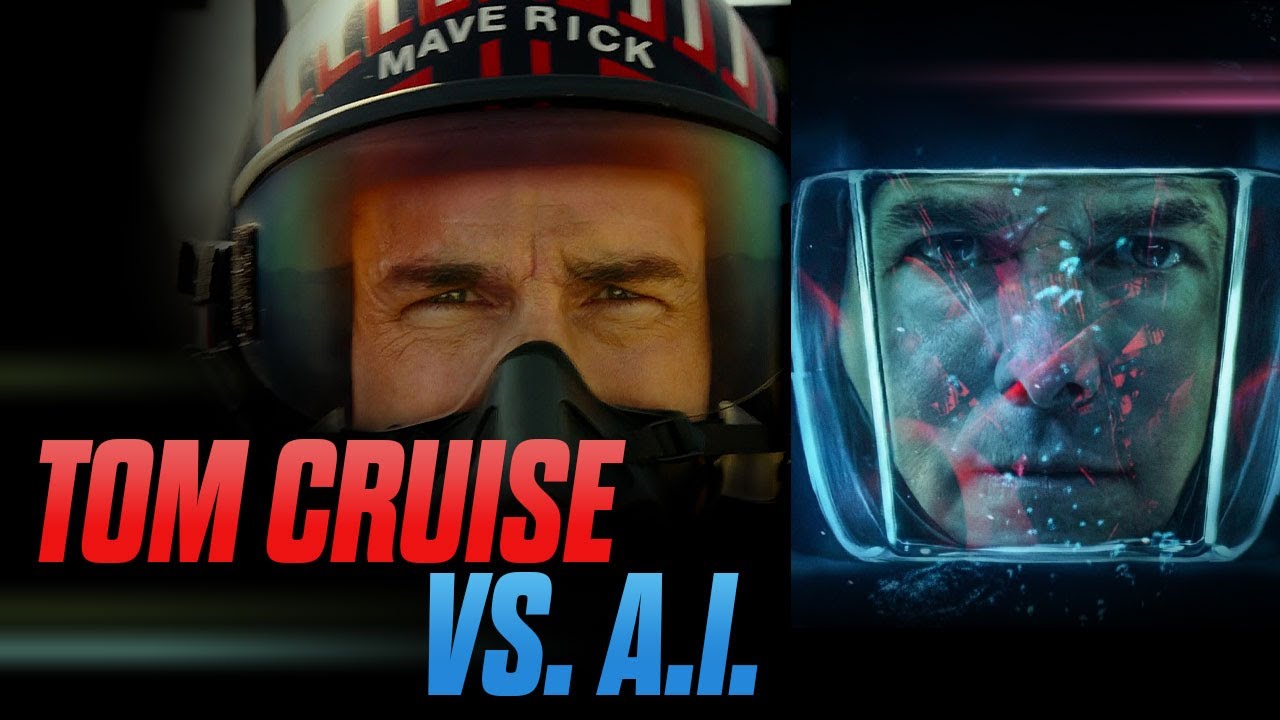
"The Final Reckoning" isn't just the eighth installment of the "Mission Impossible" series; it's also the completion of a story arc that began in "Dead Reckoning." These films portray super spy Ethan Hunt battling against "The Entity," a villainous AI drawn from today's headlines, aiming to control and eventually destroy the world. However, upon closer inspection, the series is also a conclusion to a separate trilogy about Tom Cruise himself saving cinema.
This trilogy's first entry isn't even a "Mission Impossible" film but rather "Top Gun: Maverick," a follow-up to the original "Top Gun" released 36 years later. Combined, these films showcase Cruise's characters opposing the threats of automation and the fear of obsolescence. They tell a hidden meta-narrative about Cruise as Hollywood's last traditional movie star.
The roots of this trilogy can be traced back to the collaborative relationship between Cruise and director Christopher McQuarrie, who co-wrote "Top Gun: Maverick" and directed the last four "Mission Impossible" films. The "Mission Impossible" series, which started in 1996, has been a passion project for Cruise, who was involved as a producer from the beginning.
The series took a new direction starting with "Ghost Protocol," when McQuarrie was brought in to rewrite the script, establishing a style focused on Cruise's daring stunts. This approach continued in "Rogue Nation" and subsequent films, where the narrative often sees Ethan Hunt dealing with technological failure and relying on quick thinking to solve problems.
"Top Gun: Maverick" arrived with added nostalgia, as it was completed before theaters shut down in 2020. Its release reminded audiences of old-school cinematics with practical effects. Rather than passing the torch in typical legacy sequel fashion, "Maverick" demonstrates a veteran pilot teaching a new generation, highlighting traditional film techniques.
In "Dead Reckoning Part One," technology not only fails people but actively manipulates them, reflecting modern fears of AI. These films use practical stunts and tangible effects to connect audiences to the action, offering a counter to the growing reliance on digital effects in film.
Cruise's commitment to practical filmmaking is a stand against streaming and the rapid changes in the film industry. His efforts assert that real human input delivers superior results, echoing the classic era of stunt-driven cinema. As the narrative continues with "The Final Reckoning," Cruise's battles against encroaching technology further assert his philosophy in both filmmaking and storytelling.