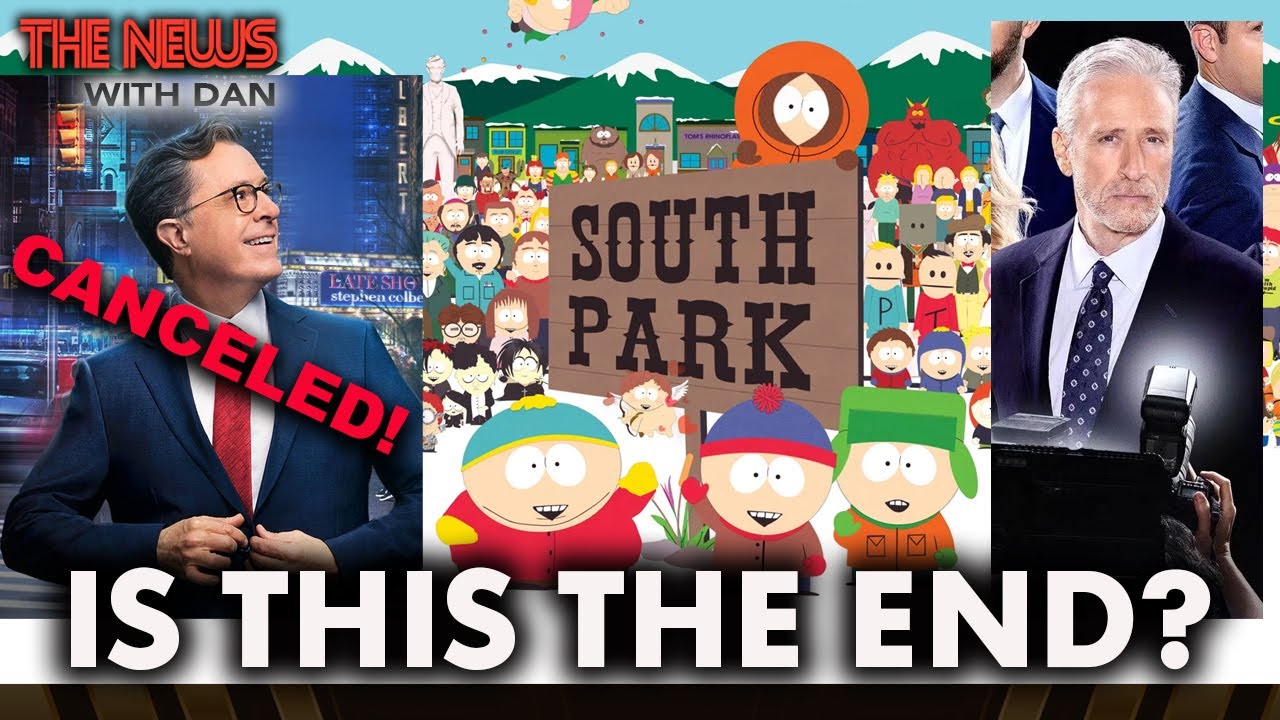
The long-pending merger between Paramount and Skydance is sparking concerns over the future of several key comedy franchises that have long been under the Paramount umbrella. As the companies await governmental approval for their $8 billion merger plan, which has faced numerous delays and controversies, questions have emerged about potential impacts on popular shows like 'The Late Show' with Stephen Colbert and 'The Daily Show' with Jon Stewart.
Recently, CBS announced that 'The Late Show', which has been hosted by Colbert since taking over from David Letterman in 2015, will end its run next May upon the expiration of Colbert's contract. This shocking announcement has left many surprised given the show's top ratings, though late-night TV revenues have decreased significantly.
Colbert's show cancellation closely followed a controversial lawsuit settlement between CBS News and Donald Trump. CBS insiders speculate that financial losses are primarily the reason for the cancellation amid a climate of reduced ad revenues. However, the timing of the cancellation raises questions about possible political motivations, particularly after Colbert publicly criticized CBS's settlement with Trump.
As Paramount's merger continues to await FCC approval, another key show that might face cancellation is 'The Daily Show'. Jon Stewart, a vocal critic of the Trump administration, has expressed concerns about the show's future. Speculation suggests that the merger might favor financial restructuring over long-standing creative ventures.
Complicating the outlook is the situation with 'South Park', created by Trey Parker and Matt Stone. Negotiations for an extension of their deal with Paramount have reportedly hit snags, particularly with Skydance's involvement. Skydance is pushing for contract terms that may not favor Parker and Stone, leading to potential legal actions.
The future of these television staples remains uncertain as financial, legal, and political factors collide. With scheduled premieres in doubt and international streaming rights in flux, the possible end of these iconic shows might redefine Paramount's storied history in comedy television.