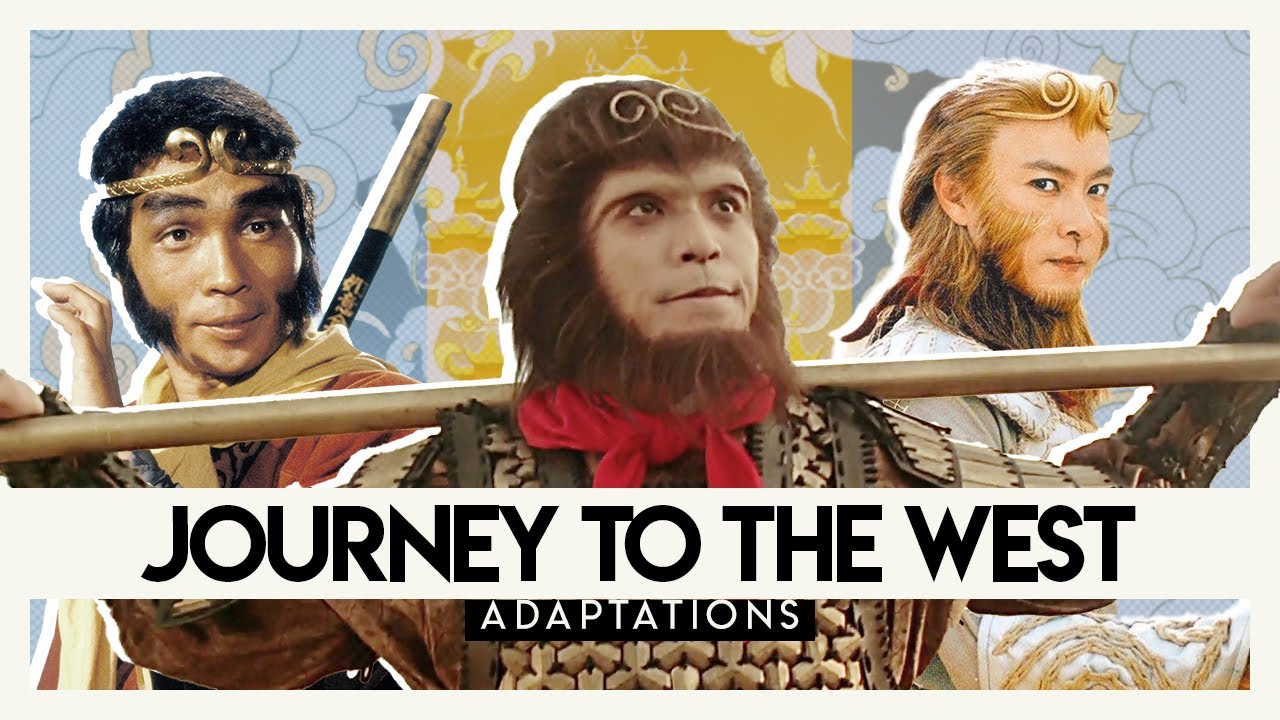
The Journey to the West, a 16th-century fantasy novel, has profoundly influenced Far Eastern storytelling. It narrates the adventures of Tripitaka and his monster disciples—Monkey, Pigsy, and Sandy—as they travel from China to India in pursuit of Buddhist scriptures. The novel is filled with memorable episodes such as Monkey's combat with the army of heaven, their encounter with the manipulative bone spirit, and amusing adventures with seductive demons and the Bull Demon King family.
This article series investigates the history of Journey to the West adaptations in both movies and television, posing questions about their authenticity and why modern portrayals often fall short. Early cinema maintained faithfulness to the novel, although deviations occurred as adaptations followed popular interpretations of the time, such as illustrating Pigsy as a cute pig instead of a boar.
Early animated features like "Princess Iron Fan" and films such as "Havoc in Heaven" reflect both adherence to and divergence from the source material. These adaptations drew heavily from Chinese opera, evident in their structure and style, bridging traditional theater with film.
In contrast, Japanese adaptations like the 1978 "Monkey" series simplified the tale by omitting parts like Monkey's journey for immortality, often mimicking rather than retelling the story. Hong Kong's Shaw Bros. studio also contributed through five film adaptations that condensed multiple story arcs, feeding a cycle of adaptation that added fresh elements while keeping some essence intact.
The 1986 Chinese TV series finally presented an adaptation closely aligned with the novel's text, resonating deeply with audiences familiar with the story. However, the characters' appearances often hark back to earlier films, revealing a gap that expanded between tradition and innovation.
Continued adaptations, including Stephen Chow's "A Chinese Odyssey," embraced reinvention by introducing unorthodox narratives and romantic elements. Similarly, TVB's adaptations cultivated comedy through modern lenses, enriching the narrative complexity and aligning with society's shifting tastes.
The Journey to the West offers a lens into how stories evolve across cultures and formats. Future explorations will delve further into reassessing what constitutes a "faithful" adaptation, questioning whether authenticity found in text or imagination holds the narrative's true essence.