The internet, at its start, was a haven for creative and experimental art forms that couldn't exist in traditional media. Nowadays, much of this space is now corporatized, but still, pockets of intriguingly bizarre creativity remain, serving as a testament to early digital innovation.
Videos like "My Spoon is Too Big" and "Story from North America" transformed ordinary concepts into unconventional expressions. These emerged because of the internet’s nature as a platform where unconventional content could thrive, beyond the reach of typical advertisers and network guidelines.
"Story from North America," featuring creepy animation and thoughtful messaging, became more than just an entertaining video. Its style, reminiscent of classic educational cartoons, cleverly critiques human morality and the societal norms surrounding life and death, reaching beyond what mass media might conventionally dare to explore.
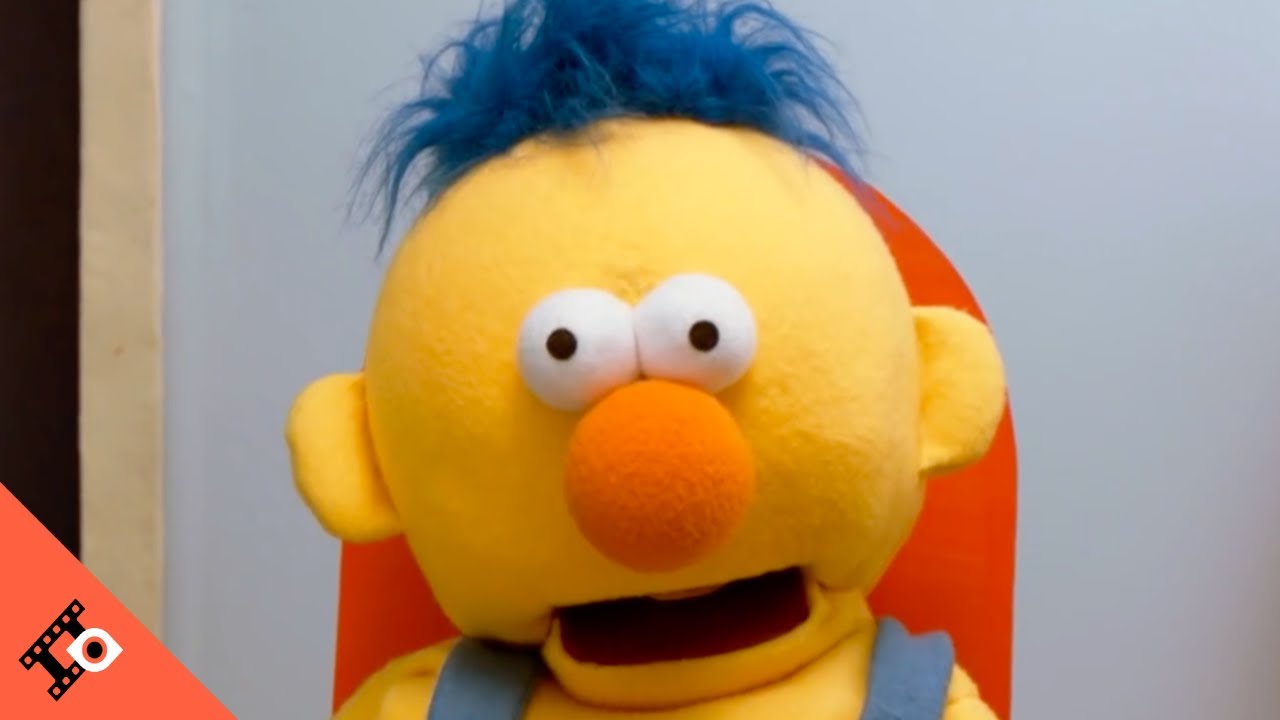
On the other hand, "Don't Hug Me I'm Scared" starts as a seemingly innocent children's program parody but divulges into chaos, exposing the sometimes insidious agendas behind traditional children’s programming. It serves as a forewarning of how media directed at kids can sometimes stray from its educational purpose.
Today's weird internet videos, evolving from these classics, continue to push the boundaries of medium and message, often incorporating modern 3D animation techniques while retaining their eerie charm. Channels like Amon Animations exemplify how contemporary weird videos embrace the ever-changing digital landscape, delivering political and societal critiques that remain too unconventional for mainstream media.
The explosion of unique and challenging internet content demonstrates how artistry can flourish in digital forums. Even as commercial interests attempt to sanitize the web, creators prove that originality and innovation will persist, often with support from engaged communities rather than traditional advertising.