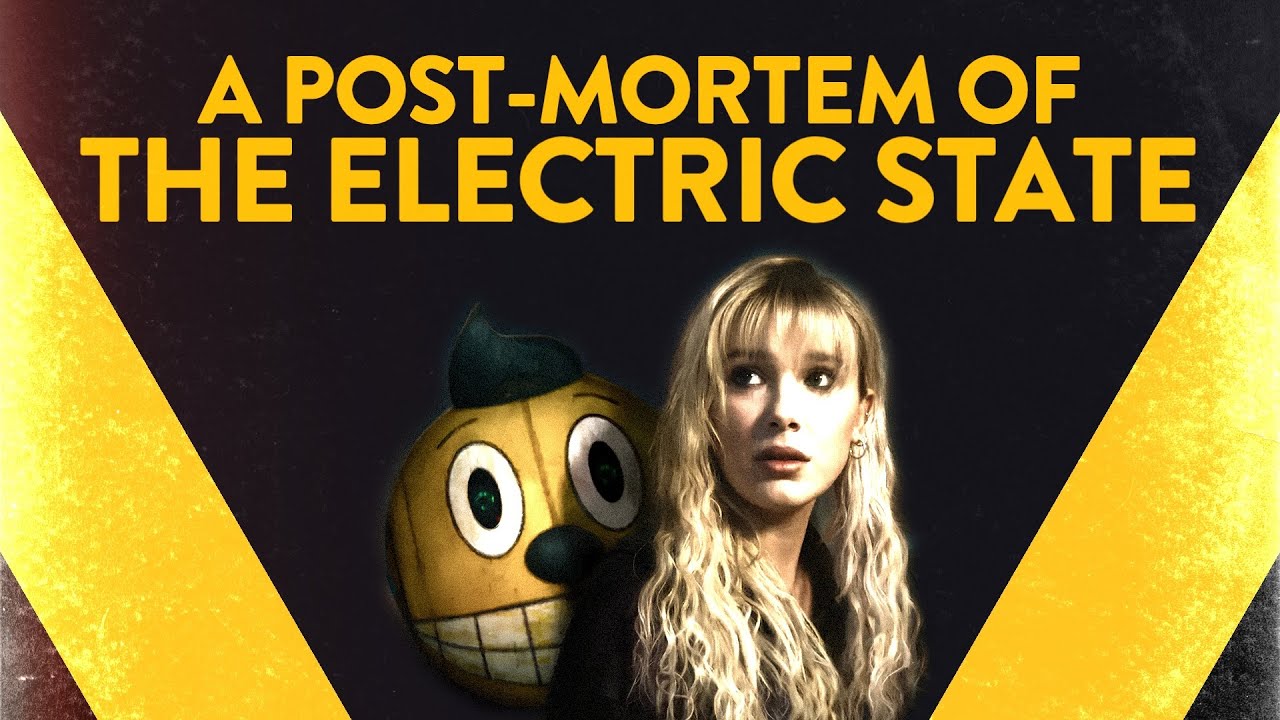
The Electric State, directed by the Russo brothers, is a cinematic adaptation based on Simon Stålenhag's acclaimed pastoral sci-fi artwork. Despite the intriguing source material, the film fails to capture the originality and depth of Stålenhag's vision.
Focusing on a post-apocalyptic landscape ravaged by a war between humans and machines, the story follows a teenage orphan and her robot companion bearing her brother's consciousness on a journey across a desert of forgotten technology. The film's attempt to blend visual artistry with a thought-provoking narrative falls short due to uninspired cinematography and lackluster character development.
Though moments in the movie visually mimic Stålenhag’s work, they are overshadowed by an emotionally disengaged approach, resulting in a narrative that feels vacuous and monotonous. The screenplay's adherence to cliché and predictable themes undermines the gravity of the complex issues it purportedly aims to explore, such as technological addiction and societal decay.
The movie's portrayal of its themes, including race, immigration, and human rights, is marred by a lack of sensitivity and coherence. It inadvertently diminishes the intended commentary by presenting marginalized groups as mere tools in service of the protagonists' journey, rather than as genuine characters with agency and depth.
The Electric State, with its $320 million budget, stands as a controversial example of digital filmmaking that raises questions about artistic integrity and the commercialization of cinema. It leaves audiences with a sense of unfulfilled potential, reflecting the pervasive challenges of adapting profoundly introspective source material into a mainstream cinematic format.
In conclusion, The Electric State is a cautionary example of how expansive budgets and visual effects cannot substitute for a meaningful engagement with the source material's themes, leaving much to be desired in terms of storytelling and emotional impact.