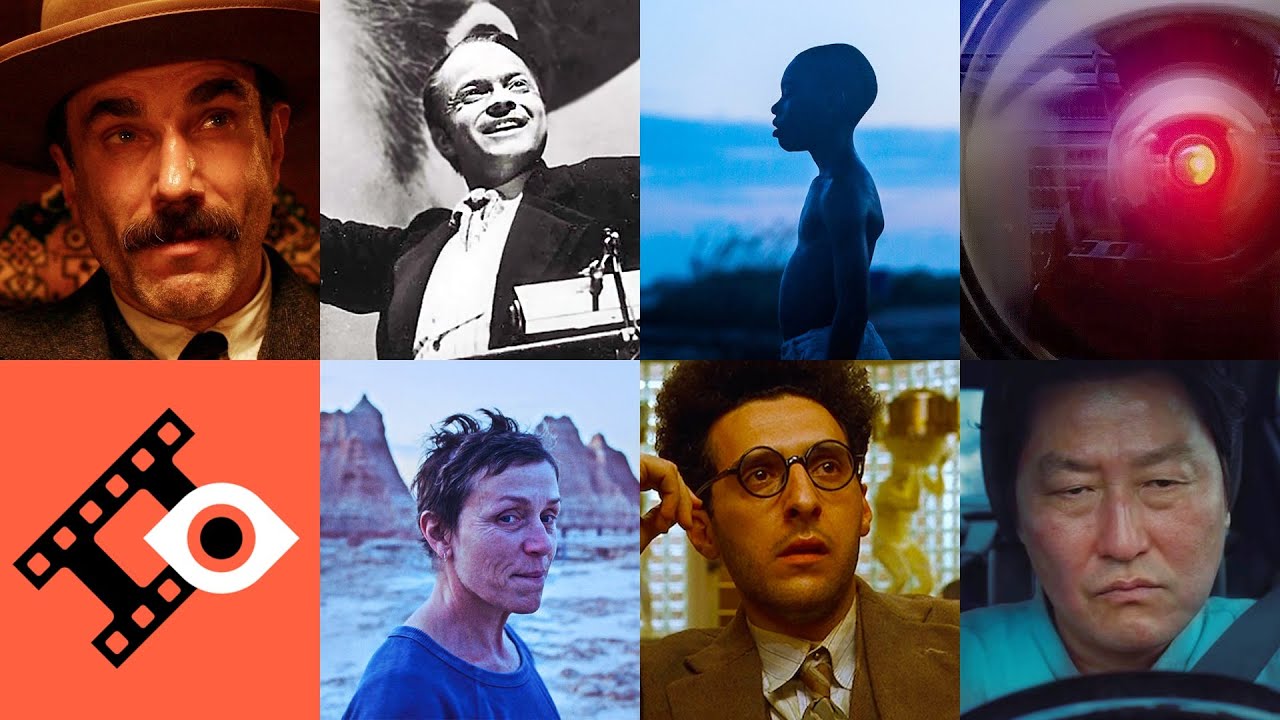
Many movies have been known to poke fun at contemporary art, often highlighting a certain bias within filmmakers towards their own medium. There's an age-old joke prevalent in cinema where everyday objects are mistaken for modern artistic masterpieces. This criticism partly stems from contemporary art being more interpretative and high-concept compared to traditional storytelling seen in films.
Films like "Goodfellas" and "Beetlejuice" illustrate this theatrical play between mocking art and recognizing its contribution to filmmaking. "Goodfellas" humorously navigates the world of art without delving into intellectual criticism, while "Beetlejuice," through its bizarre setpieces, explores a self-deprecating appreciation of its own aesthetic style.
Moreover, movies such as "Parasite" engage viewers to overanalyze art, presenting clear parallels between filmmaking and art analysis. The very act of blending art critique with cinematic storytelling showcases an apparent contradiction, reflecting filmmakers' tendencies to use film to comment on and sometimes deride other art forms.
These themes are consistent across several genres such as the "film within a film" structure revealed in classics like "Citizen Kane" to modern exemplars like "Mank." Movies like "Barton Fink" further stretch this narrative by employing traditional film tropes to allegorically discuss broader societal themes.
Notably, filmmakers, whose lives are consumed by cinema, inherently incorporate this background into their storytelling, consciously or unconsciously invoking facets of filmmaking in diverse narratives. This is evident in pictures like "There Will Be Blood," where elements of directorial control mirror the protagonists' narrative influence, and "Parasite," where film techniques manipulate the storyline to emphasize thematic control and chaos.
The overall reflection on why movies habitually caricature other art forms lies in their foundational construction—the notion that filmmaking, a populist art form, often peripherally exposes rather than embraces the traditionally cloistered art world. This inherent bias underscores the dichotomy between filmmaking and other artistic endeavors, emphasizing the distinct identity and thematic continuity present within the cinematic medium.