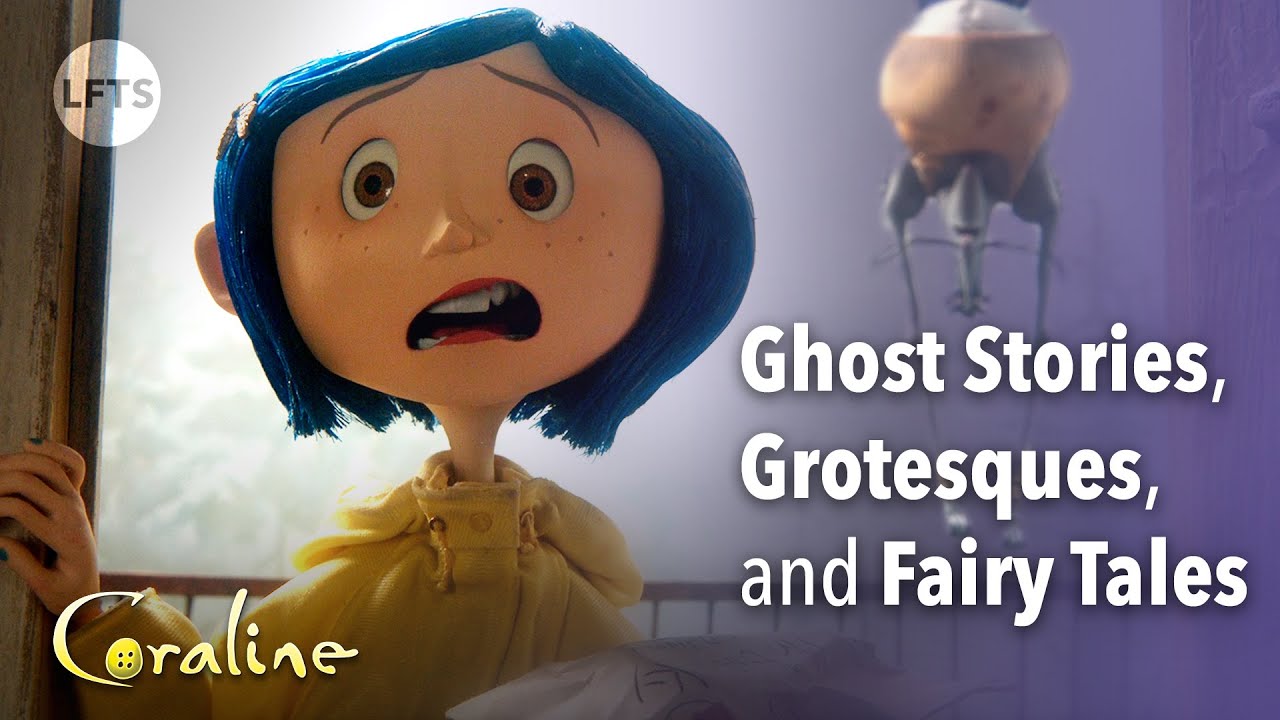
When writer-director Henry Selick adapted Neil Gaiman's novel "Coraline" into an animated film, he chose stop-motion animation over CGI. Selick believed this older technology brought a warmth and charm that suited the film's fairy tale setting, despite modern preferences for cutting-edge techniques.
"Coraline" uses classic storytelling methods to enhance its narrative. It employs a fairy tale structure, focusing on a challenging mother-child relationship, reminiscent of tales like "Cinderella" and "Hansel and Gretel." Coraline, the protagonist, experiences life with an "other mother," an initially ideal but ultimately sinister figure, reflecting classic themes of deception and discovery.
The film also incorporates grotesque imagery, blurring boundaries between familiar and threatening elements, much like "Alice in Wonderland." Characters in Coraline have exaggerated features and a through-the-looking-glass experience, revealing unsettling truths and enhancing thematic depth.
Ghost story elements further enrich the narrative. Set in a haunted house, the film's suspense builds on a mysterious past, engaging Coraline with ghostly characters who warn her about the perils of her quest for perfection.
In combining these elements, "Coraline" uses timeless storytelling forms to explore themes of gratitude and the dangers of idealizing an unattainable perfection. It masterfully marries antiquated narrative traditions with modern animation, making it a unique component of contemporary cinema.