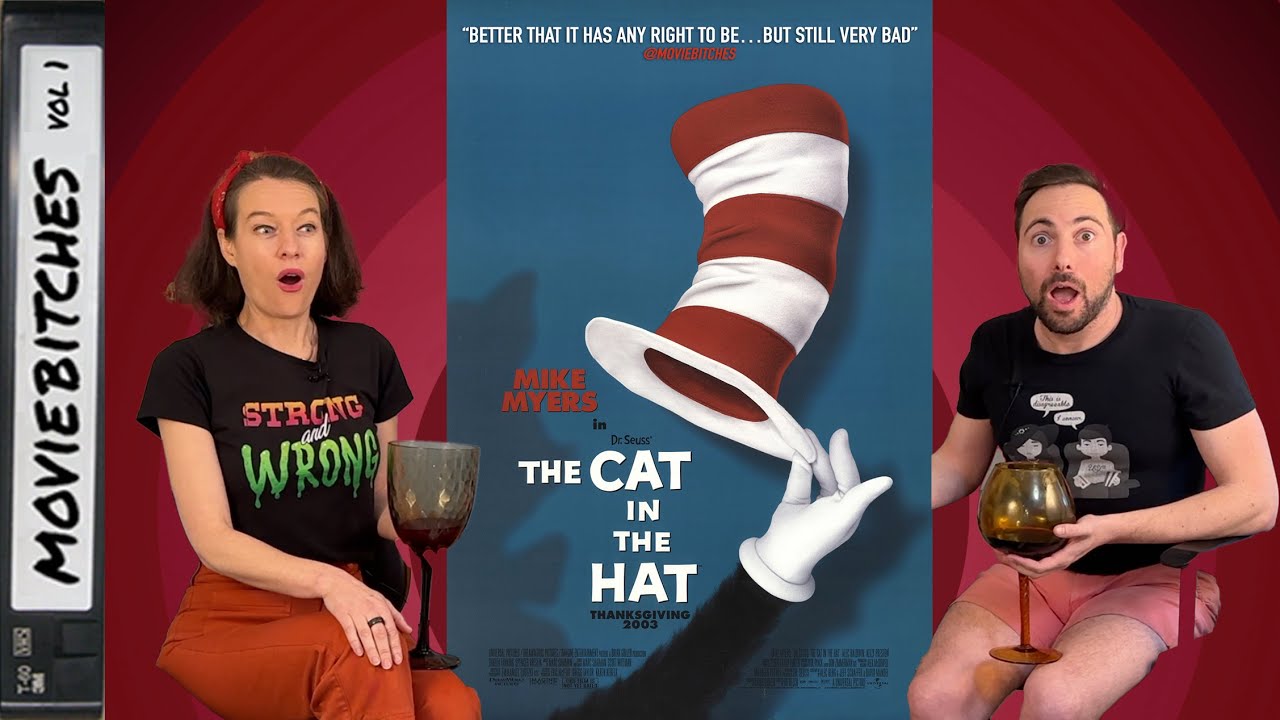
"The Cat in the Hat" is often remembered as a unique foray into children's storytelling with a mix of cinematic flare reminiscent of Tim Burton. The 2003 adaptation directed by Bo Welch has become a cult classic for its bold visual style and eccentric performances, especially that of Mike Myers as the iconic feline.
This review, from Movie Bitches Review, highlights the film's distinct approach to its source material, borrowing heavily from the vivid and imaginative production style of films like "Beetlejuice" and "Edward Scissorhands"—an influence not surprising given Welch's previous work as a production designer on both.
Notably, the film’s production was rife with challenges, including Myers’ own dissatisfaction due to being contractually obligated to star in the role following the collapse of a planned "Sprockets" film. The behind-the-scenes struggles seemed to bleed into the final product, with Myers delivering a performance marked by excessive comedic attempts and hit-or-miss gags.
The set design and practical effects, however, received praise for their creativity. Unlike many modern children's films that lean heavily on CGI, "The Cat in the Hat" boasted elaborate sets and practical effects that captured the whimsical Dr. Seuss aesthetic.
While receiving a mere 10% on Rotten Tomatoes, the film holds value for its nostalgic charm and as a case study in early 2000s family films, combining slapstick humor with a sometimes incoherent narrative. Despite its flaws, it represents a significant era of Hollywood children's films, characterized by experimental visuals and offbeat comedy.
Whether adored or abhorred, "The Cat in the Hat" remains a memorable piece of early 21st-century cinema, providing both entertainment and a curious exploration of what might have been.