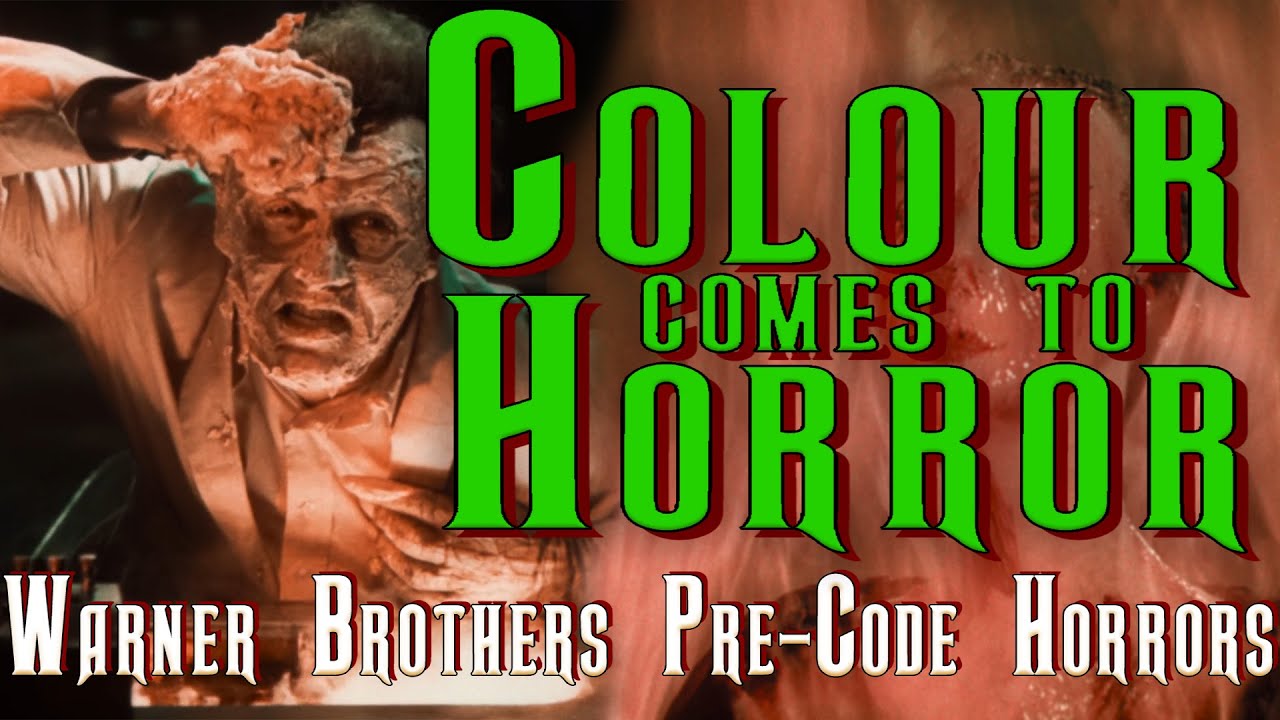
During the early 1930s, horror films experienced a groundbreaking transformation with the introduction of color, specifically through Warner Bros.' use of the two-strip Technicolor process. This was a time when studios scrambled to ride the wave of horror's popularity, following the success of Universal's classics like Dracula and Frankenstein. However, Warner Bros. decided to differentiate themselves by adding color to their horror films, an innovation that came with its own set of challenges.
The advent of two-strip Technicolor presented a vivid yet peculiar visual style, with its ability to split light into green and red, generating a dream-like and somewhat lurid atmosphere. This suited the horror genre perfectly but was met with mixed success from Warner Bros.' production standpoint. The technology was complex and expensive, and audiences at the time were not particularly drawn to color, especially when it was being perceived as a gimmick.
Films like Doctor X and Mystery of the Wax Museum exemplified these challenges. Warner Bros. had hoped that color would enhance their films' appeal, yet they found themselves pushing the horror elements more prominently, as audiences were reluctant to embrace the novelty of color unless it was tied to an engaging genre. Interestingly, the color aspect was not heavily advertised to avoid deterring potential viewers.
Doctor X, under Darryl F. Zanuck's production, was crafted to align with Warner's signature style, embracing gritty, headline-inspired narratives. Characters like wise-cracking reporters and mysterious scientists gave the film its distinctive tone. However, it was Fay Wray, known for her iconic scream and starring roles in other early horror films, who stood out, solidifying her position in horror history.
Despite initial struggles, the horror films made in two-strip color did manage to captivate audiences and leave a lasting impact on the genre. Mystery of the Wax Museum, for instance, combined horror elements with vibrant sets and engaging character dynamics, making it a commercial success even amid the Great Depression.
Ultimately, while two-strip Technicolor was short-lived, the unique aesthetic it provided to films like Doctor X and Mystery of the Wax Museum is a testament to the early experiments in blending color with horror, paving the way for future innovations in cinematic storytelling.