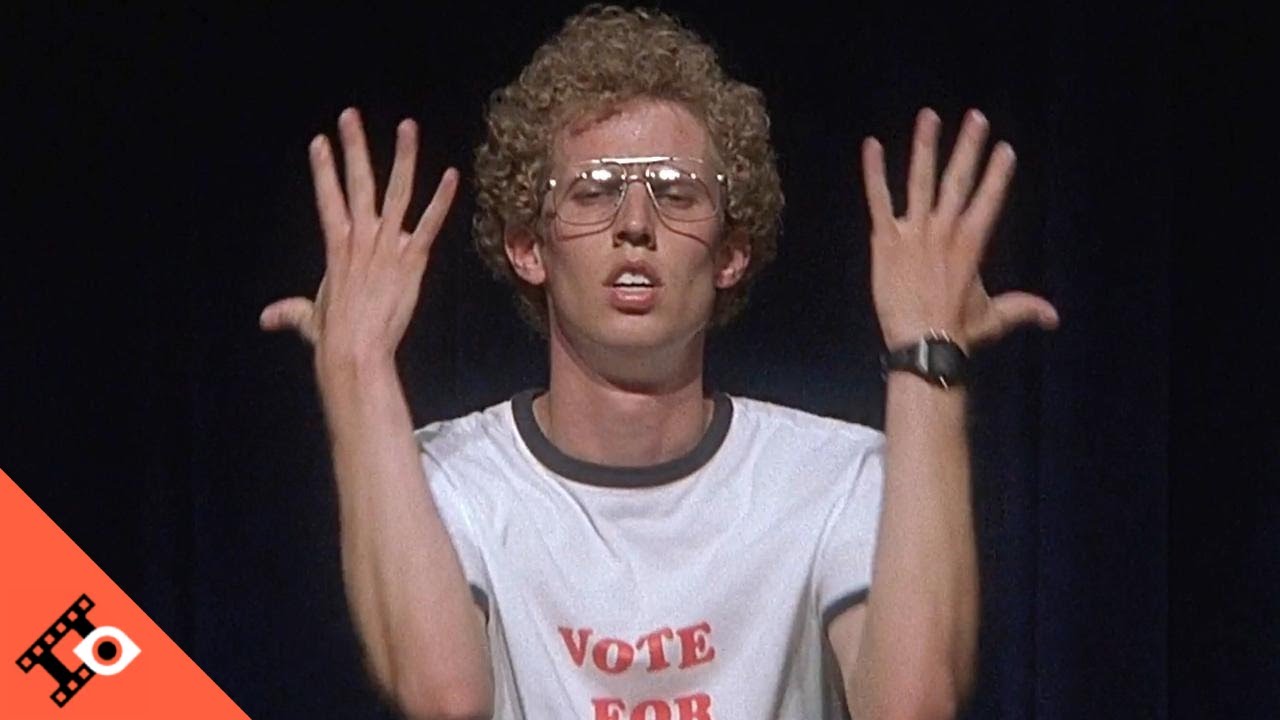
"Napoleon Dynamite" was a film that captured the hearts of many, while leaving others bewildered. It became a cultural phenomenon, notable for its eccentric style and polarizing effect on audiences. This divisiveness is encapsulated in what has come to be known as the "Napoleon Dynamite Effect," named for how the film defied prediction in Netflix’s recommendation system, challenging both data scientists and moviegoers alike.
Despite not being an overtly political or controversial film, "Napoleon Dynamite" stands out due to its quirky aesthetic and storyline, reminiscent of a Wes Anderson film but with a distinct flavor that includes offbeat characters and unconventional humor. Roger Ebert's harsh critique of the film reflects the mixed reviews it received, ranging from accolades to severe criticism.
The film's unpredictable reception became such a topic of interest that it was studied in the context of recommendation algorithms. In 2006, Netflix offered a million-dollar reward for improving their algorithm, and data scientists identified "Napoleon Dynamite" as particularly difficult to predict. This unpredictability parallels the varying taste among moviegoers, which posed a significant challenge for the algorithms designed to recommend films based on viewer preferences.
At its core, "Napoleon Dynamite" shares narrative elements with the classic "Rocky"—both feature underdogs overcoming societal odds. Yet, its aesthetic—a composite of dry delivery and scenic idiosyncrasies—adds an unexpected layer that can distract from its underlying hero's journey. This, combined with how aesthetics overshadow plot recognition, can make such films difficult to categorize.
The movie’s legacy and complexity lie in its unusual blend of the mainstream and avant-garde, captivating viewers who appreciate juxtaposed story traits and styles. "Napoleon Dynamite" not only challenged algorithmic recommendations but also highlighted the limitations of these technologies in evaluating artistic merit.
Overall, the film invites introspection about how movies are categorized for viewing audiences, promoting a conversation on the weight of storytelling versus aesthetic engagement in cinema.