France has long been one of the most beloved countries in American media, with numerous films dedicated to the romance and allure of Paris. This fascination, known as Francophilia, can be traced back to historical figures like Thomas Jefferson, who admired French art, cuisine, and politics. An appreciation of French culture became synonymous with taste and class in America, yet it also intertwined with elitism, contrasting the American way of life.
This exploration looks at how movies and TV shows depict this phenomenon. Directors like Ernst Lubitsch contributed to the allure of Paris by portraying it with a touch of elegance, even if it was a Hollywood version and not based entirely on reality. His work set a precedent that persisted through Hollywood's Golden Age and beyond.
The influence of French cinema, particularly the French New Wave, reshaped American filmmaking by introducing new narrative styles. This inspired American auteurs like Martin Scorsese to adopt these techniques, adding another layer to America's cultural relationship with France.
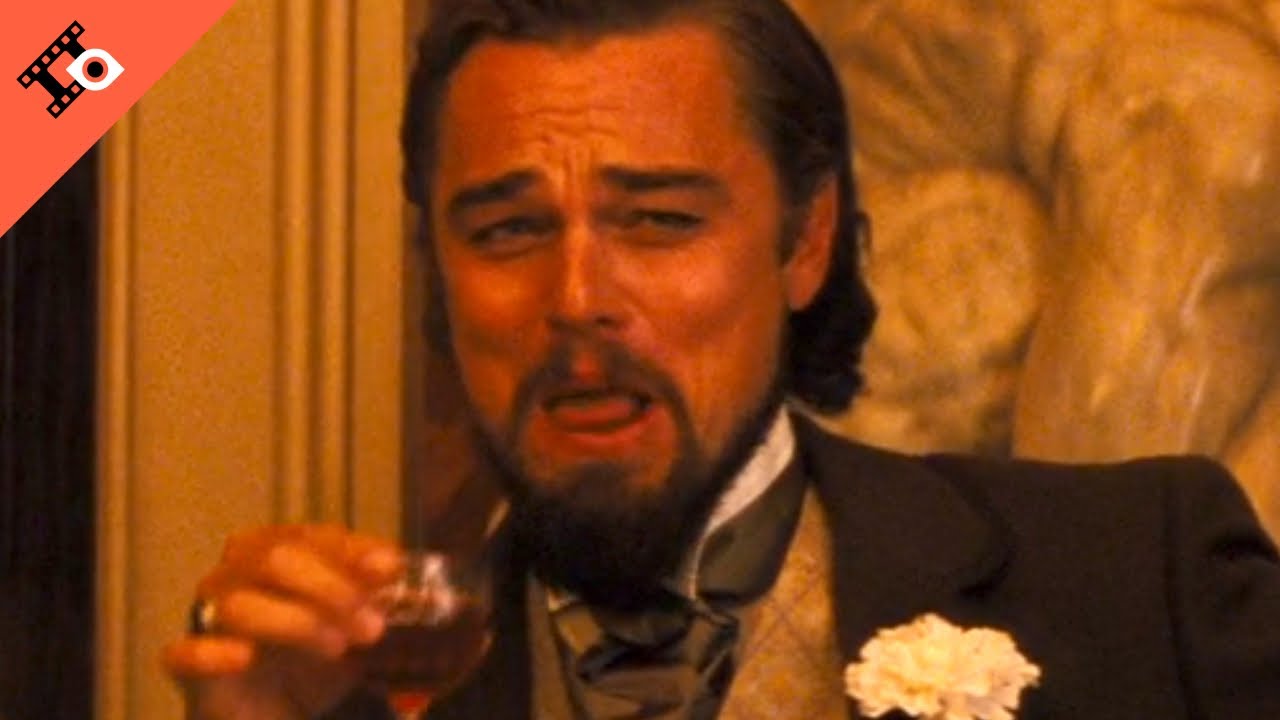
In cinema, French culture is often a marker of sophistication. Characters in films like 'Goodfellas' and 'The Departed' attempt to embody French class, albeit with comedic failure. Likewise, movies such as 'Ratatouille' and 'Django Unchained' play with themes of authenticity and identity.
The paradox of American Francophilia also includes criticism. The supposed pretentiousness of French stereotypes can be seen as elitist, affecting perceptions in American films like 'Talladega Nights,' where French culture is both mocked and admired. This duality portrays a broader American ambivalence towards France – admired yet critiqued.
Ultimately, this complex relationship reveals more about American culture than French. Films like 'Casablanca' illustrate how Paris becomes an ideal rather than a real location. This absorption of French stereotypes reflects America's own aspirations and contradictions.