When discussing fear as a concept or feeling, it is typically a matter of perspective. Just as a mouse finds a cat terrifying, for those with anxiety, a bustling crowd might seem overwhelming. This subjective experience of fear is central to horror films like 'A Nightmare on Elm Street', where young characters face nightmares that blur the line between dream and death. Fear becomes a reaction rather than a tangible entity.
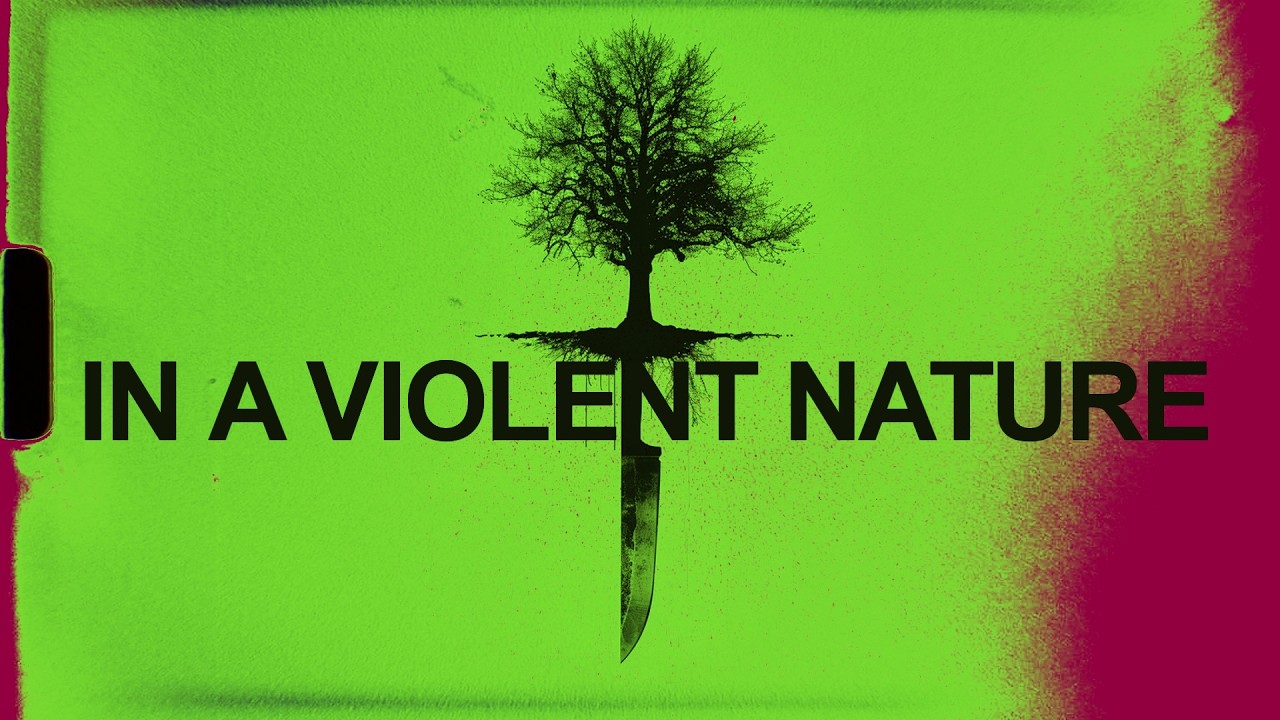
The film 'In a Violent Nature' explores this further by placing the audience in the shoes of its killer, Johnny. Distinctive for being shot almost entirely from Johnny's perspective, the film diverges from traditional victim-centric narratives, instead immersing us in the personal motivations and dark past of its antagonist. This novel approach follows Johnny as he returns from the grave, driven by revenge against those who disturbed his rest.
Unlike peeping Tom's voyeuristic style or the fragmentary views in 'Halloween' and 'The Terminator', 'In a Violent Nature' crafts a fascinating protagonist out of an antagonist. Johnny is fleshed out with a backstory of injustices and a clear goal - reclaiming his mother’s locket. The film uniquely omits victim stories, focusing instead on Johnny's single-minded pursuit.
Director Chris Nash embraces techniques reminiscent of David Lowry's 'A Ghost Story', immersing viewers in a slow-paced narrative that breaks typical horror conventions. With minimal dialogue and an emphasis on natural soundscapes, the film underscores themes of environmental decay and humanity's transient impact on nature. Johnny, with his rudimentary butchery, seems more like a storm of emotionless nature than a villain.
'In a Violent Nature' challenges slasher tropes by embracing a protagonist-focused structure, presenting a haunting commentary on mortality and our environment's indifferent vastness. Despite some lapses into conventional storytelling, the film stands out for its innovative perspective and poignant environmental message.