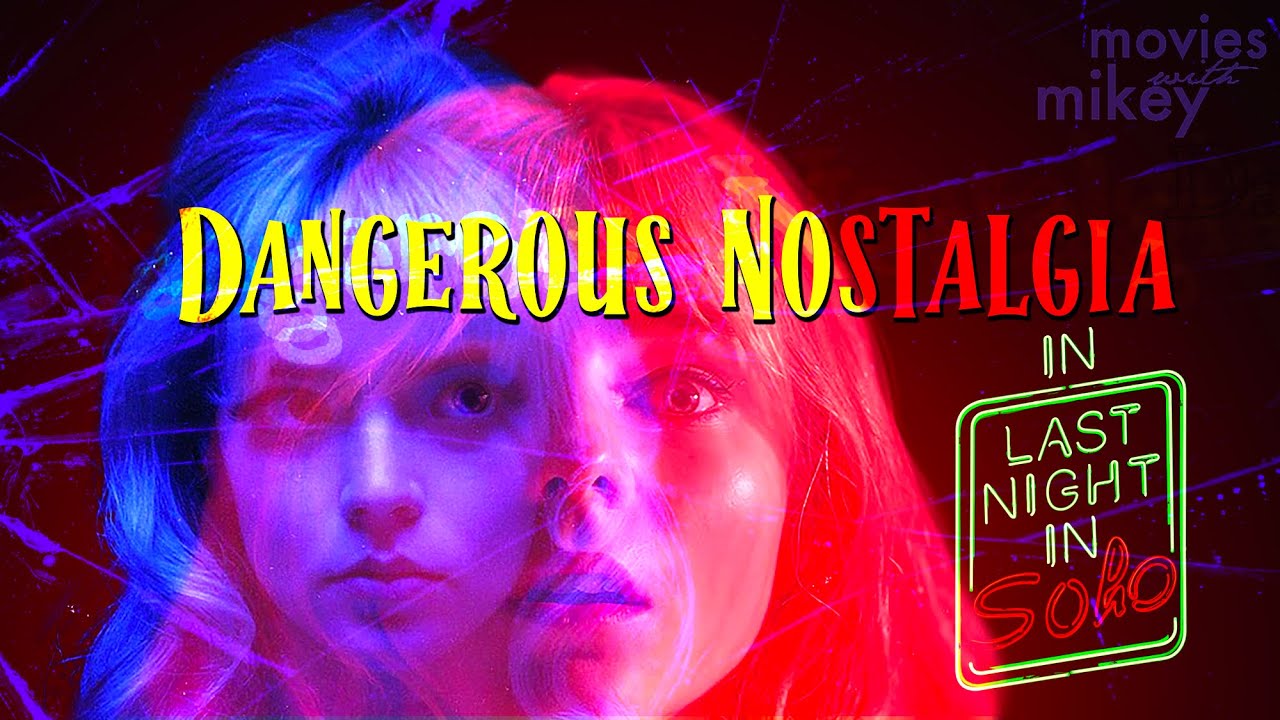
Life is a series of echoing hiccups, much like cultural movements. "Last Night in Soho" by Edgar Wright delves into the 1960s' swinging London with a narrative that's both nostalgic and cautionary. This era was characterized by young people embracing cultural changes, highlighted by music, fashion, and art.
The movie, co-written with Krysty Wilson-Cairns, is a dark Valentine's ode to Soho, accentuated by giallo-inspired horror. It tells the story of Eloise, a fashion student with a supernatural link to the past, as she discovers the complex tapestry of Soho's history.
Wright’s film plays with dual timelines through Eloise’s dreams, connecting her to Sandy, a singer in the 60s whose ambitions are tragically thwarted. The film’s exploration of identity is multifaceted, questioning nostalgia and the allure of bygone eras.
"Last Night in Soho" is a visual and thematic dance between past and present, using horror and fashion as narrative threads. The film critiques idealized memories of historical periods, providing a nuanced commentary on cultural and artistic inspiration.
Edgar Wright effectively negotiates genre boundaries, contributing a fresh perspective to cinematic storytelling. Through this film, audiences are invited to question their perceptions of art and its intersection with memory and identity.