The discussion around revitalizing movie theaters brought forth a series of innovative yet impractical ideas. From integrating amusement park-style themes into theaters to encourage unique experiences like watching new releases from a roller coaster, the conversation explored multiple angles.
Suggestions included groundbreaking approaches—like designing movies that allow for live, interactive gimmicks. An imaginary film titled "Water Slide: The Movie" was envisioned, where audiences could enjoy scenes while on actual water slides inside the cinema.
Further, there was the consideration of turning movie screens into platforms for TikTok videos, creating a reel of funny clips interspersed with audience reactions, offering an unusual loop of entertainment. The ultimate evolution of this concept would be audiences watching reactions to reactions, generating endless content.
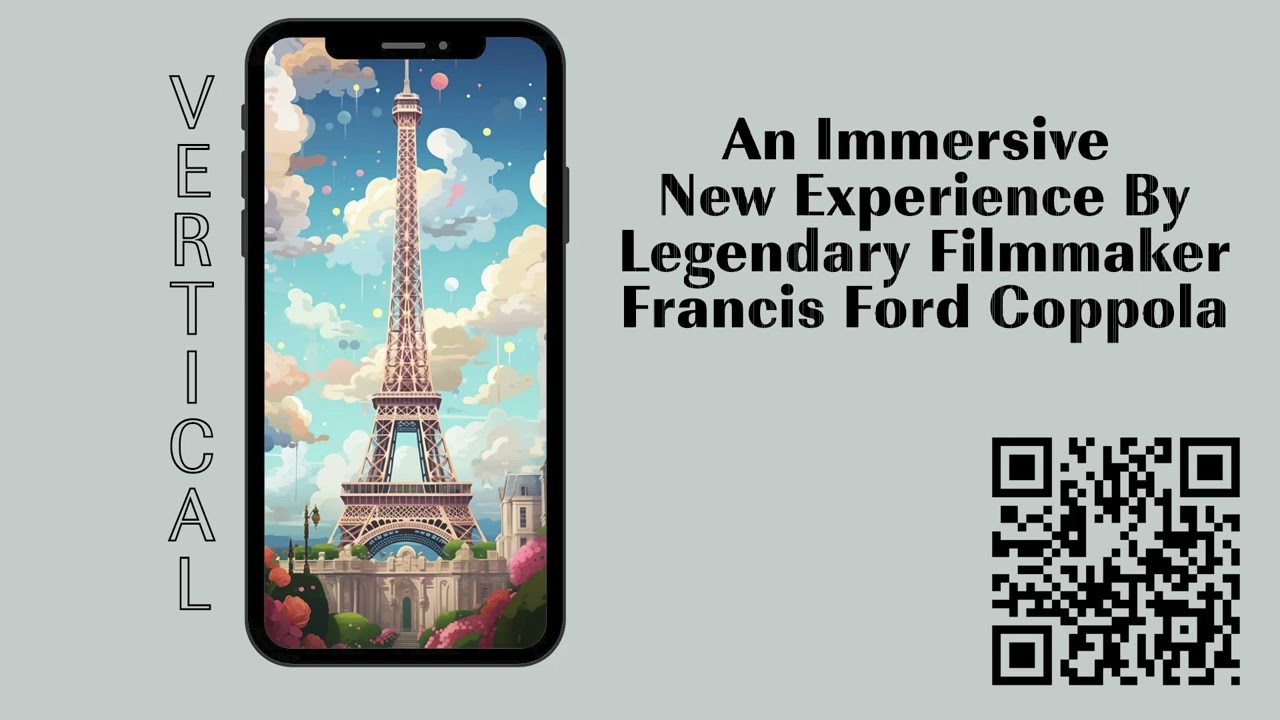
Another interesting idea was exploring the vertical format for theater screens, catering to content primarily designed for smartphones. This would reshape classic films for narrow screens and potentially inspire new movies specifically shot in phone-like aspect ratios. This includes the theoretical development of an interactive film about the Eiffel Tower's construction, where audience interaction was considered crucial.
With evolving viewer habits at the core of these innovative thoughts, filmmakers like Adam Driver playing pivotal roles in such futuristic narratives were also humorously speculated. Adding to the immersive experience, features like QR codes for engagement, FaceTime interactions on the big screen, and integrating audience selfies into the movie were considered.
The jovial yet reflective dialogue ultimately circled back to the sentimental value of traditional theater experiences, underlying the conversation with a sense of nostalgia for saving what many still consider a magical aspect of movie watching.