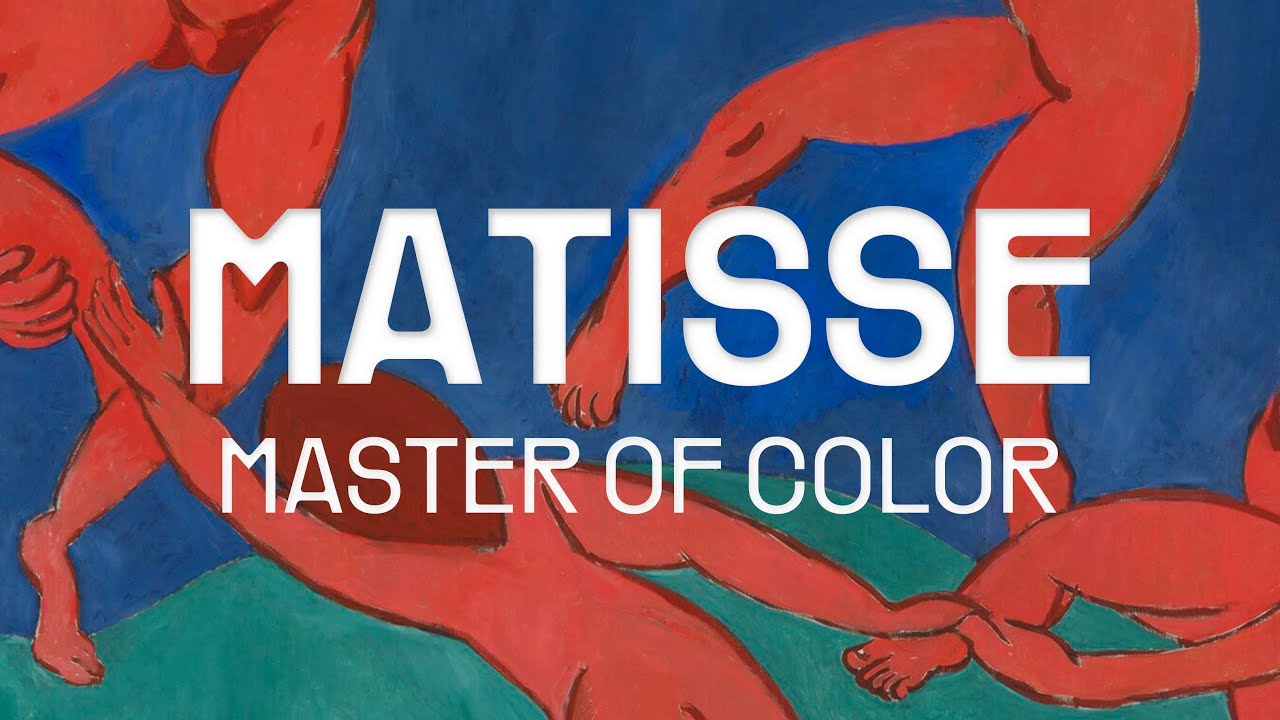
Explore two distinct paintings by French artist Henri Matisse: 'The Dinner Table' from 1896 and 'Open Window' from 1905. By 1910, Matisse presented 'Dance' at the Autumn Salon in Paris, a work met with both applause and scorn for its vibrant and defiant use of color. Despite criticism, the revolutionary art style of Fauvism was born, with Matisse at its forefront.
Henri Matisse's journey into bold color use began as early as 1898, inspired by trips to Corsica and Saint-Tropez. His encounters with neo-impressionist Paul Signac and the application of scientific color theories further shaped his work. The painting 'Luxury, Calm, and Voluptuousness' is a notable outcome of this period.
From 1905, Matisse's work exuded wild energy and creative recklessness, shocking audiences and challenging the Western art world's norms. Collectors like Sarah Stein and Sergey Shchukin recognized Matisse's genius, supporting him as critics derided his unconventional style.
Matisse's famous painting 'Dance' became a masterpiece of dynamic energy, featuring bold, non-naturalistic colors that redefined artistic expression. Over time, art critics and enthusiasts have come to appreciate Matisse's groundbreaking contributions to modern art and the transformative power of his daring approach to color.