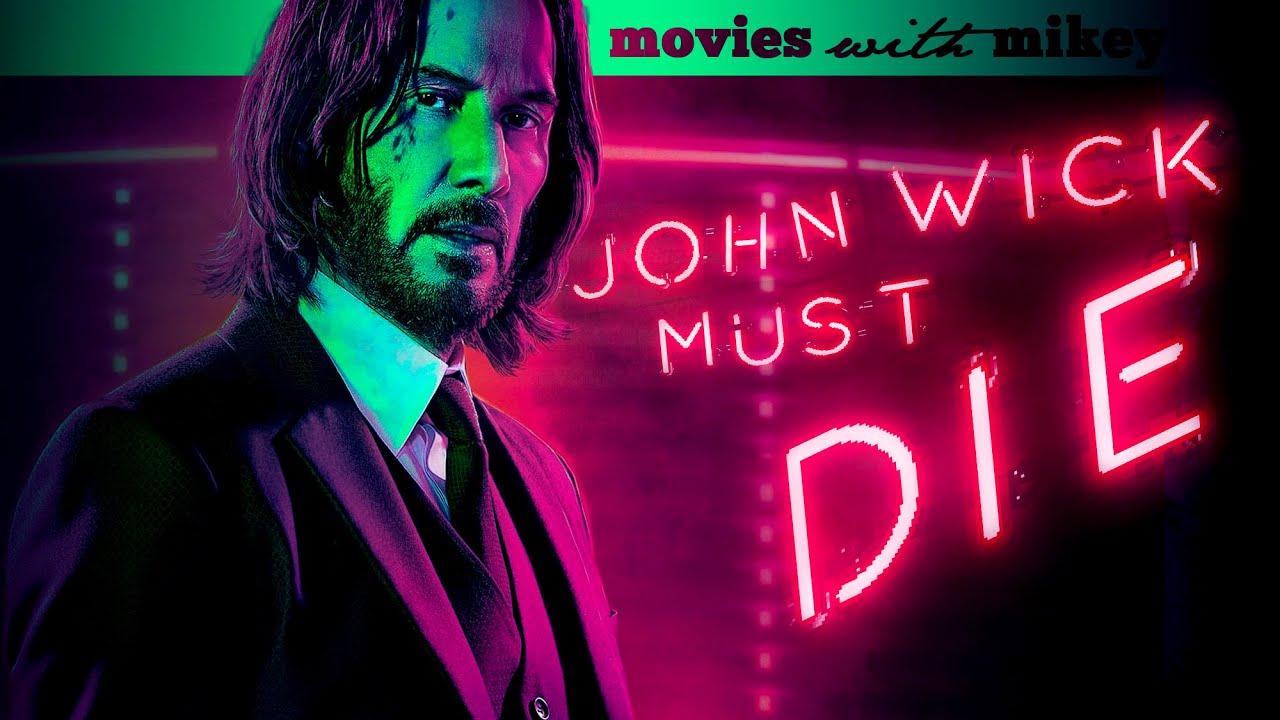
The "John Wick" series has made an indelible mark on the action genre, continually setting high standards in choreography and narrative complexity. "John Wick: Chapter 4," directed by Chad Stahelski, showcases these elements as it follows John's relentless pursuit for vengeance. The film expands upon themes such as brotherhood and personal liability as it ventures further into John's world of crime.
Keanu Reeves' role as the titular character continues to define the series, with his performance balancing the physicality of action stunts and the emotional depth of his character's journey. The partnership between Reeves and Stahelski is central to this evolution. Stahelski, a talented director with roots deep in stunt work, brings a keen eye for dynamic action that highlights the genre's potential.
Symbolism plays a crucial role in the "John Wick" narrative, with references ranging from classic literature to theological themes. Chapter 4 explores John as a modern antihero battling not just external foes, but his inner demons, evident in moral choices and the burden of his ceaseless vendetta. This underscores John's transformation from a wronged man into a symbol of self-destructive obsession.
The film's embodiment of revenge transcends simple plot lines, turning into a broader commentary on action cinema's evolution. John Wick's character serves as both a critique and celebration of this transformation, becoming a symbol of relentless pursuit at odds with internal peace.
Behind the franchise's exhilarating action sequences lies a deeper narrative that resonates with audiences, showcasing the power of collaboration in redefining modern action cinema. "John Wick: Chapter 4" continues to push boundaries while signaling an inevitable conclusion to John's saga.