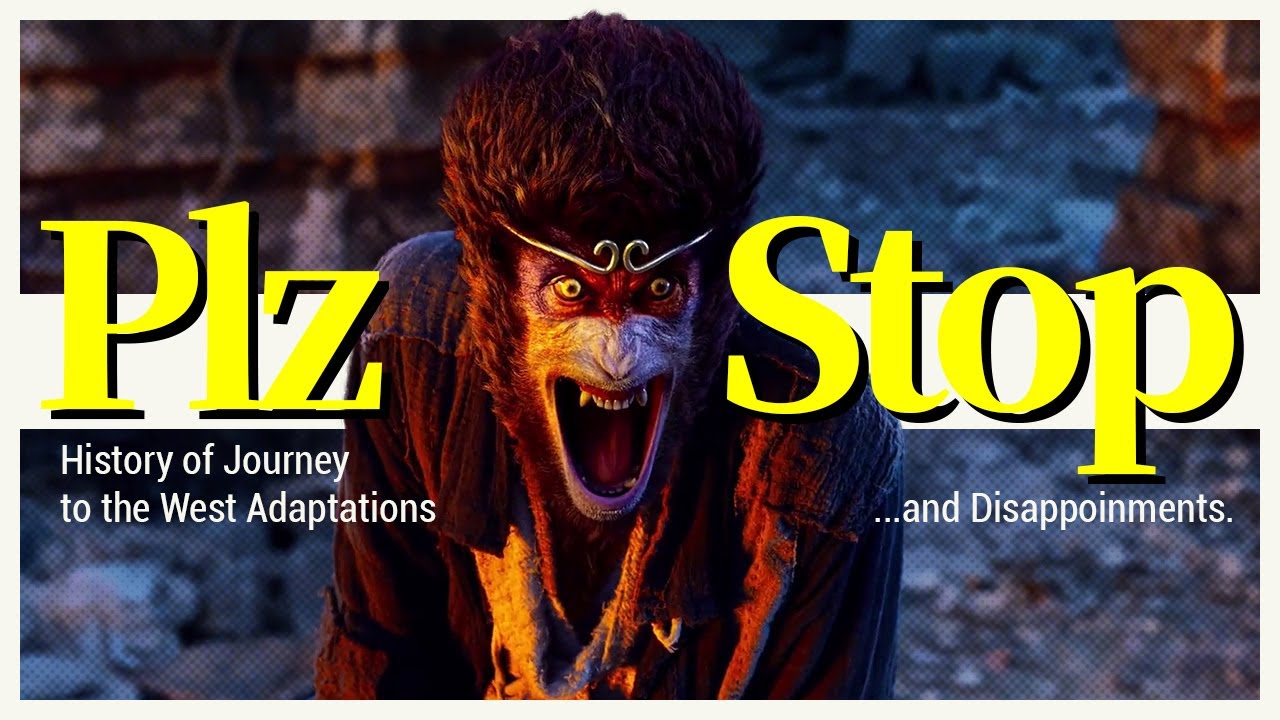
Welcome back! In Part 1, we covered the history of the classic era in which adaptations generally stayed true to the source. However, as filmgoers grew more sophisticated, the same old story wasn't enough anymore, so storytellers began to seek new ways to spice up their adaptations. Thus, adaptations of Journey to the West diversified into three categories, and today, we'll examine the sometimes frustrating, and sometimes surprising results.
Let's begin with the last batch of "Faithful Adaptations". Following the 2010 release of Three Kingdoms, a spiritual remake of the '94 classic, multiple TV stations and studios attempted to do the same with Journey to the West. There was the Zhejiang TV version, a loose retelling with some dated VFX, and the 3D version, a dramatization of the author's life. Unfortunately, these did not meet the expectations of fans.
Then came the big-budget version, dubbed the New Journey, a 2011 remake of the '86 show. Despite high expectations with larger budgets and modern technology, the technical limitations and unappealing effects led to its failure. The character design, aiming for book accuracy, also did not resonate well with viewers used to the cultural norm depicted over the centuries.
On the other hand of the spectrum, there are "Reinventions", where the stories ignore the existing canon altogether. Notable among these is Dragon Ball and more recent Chinese adaptations by Stephen Chow, such as Journey to the West: Conquering the Demons, focusing on allegorical rather than faithful representations.
Finally, we discuss "Fan Fiction", including prequels, sequels, and side stories that expand on the original characters and dynamics. A notable example is the 2000 TV series Sunny Piggy, which provides a fun and comedic exploration of the character Pigsy prior to the original tale.
Overall, while technology today affords filmmakers a chance to create a definitive rendition of Journey to the West, the narrative has become deeply entrenched in ideas of reinvention and fan fiction, focusing less on staying true to the source and more on creating engaging and imaginative experiences for audiences.
As adaptations have varied widely, the ones that capture hearts seem to be those that rekindle the original sense of wonder and entertainment experienced as children, thus offering a faithful connection though not literal.