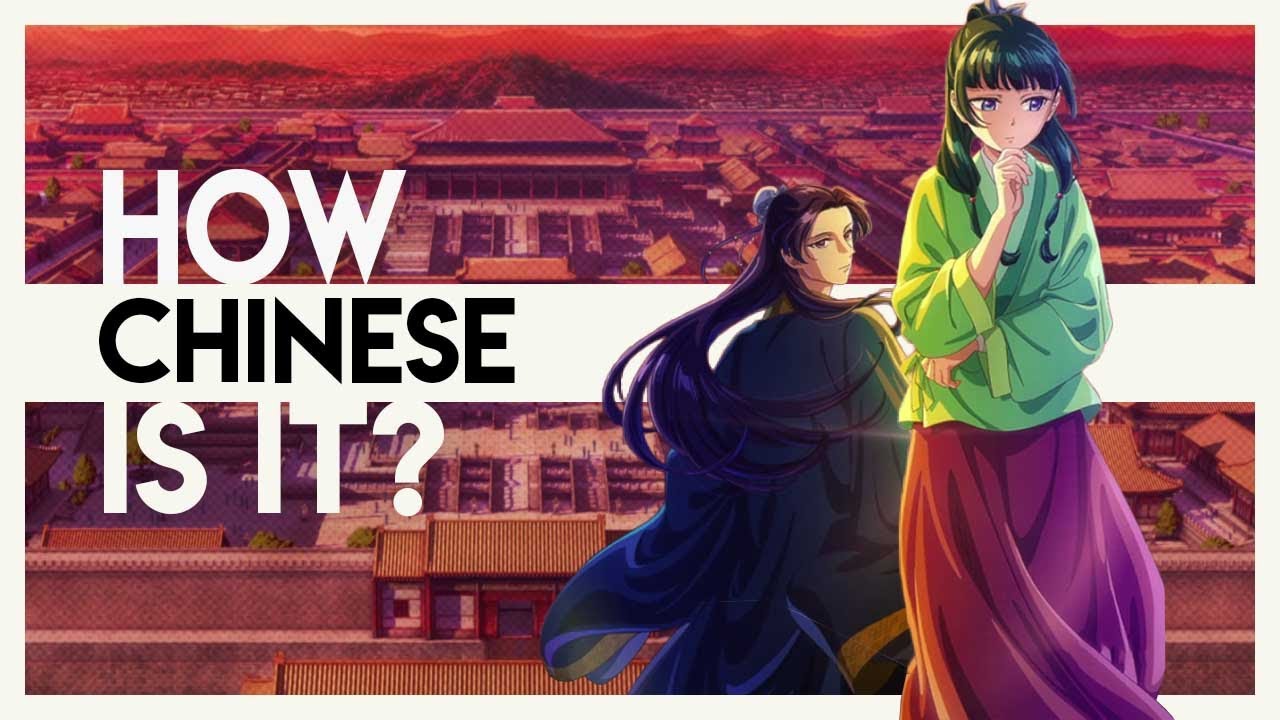
The Apothecary Diaries is a Japanese anime set in a fictional world heavily inspired by dynastic China, particularly focusing on the life in the Imperial Palace. This article explores the first episode, assessing its historical accuracy regarding Chinese elements like clothing styles and palace life.
The story follows Maomao, an apothecary, as she navigates the intricacies of palace intrigue with her medical knowledge. Throughout the episode, the depiction of Chinese culture is scrutinized, from the use of red lanterns to the clothing styles like Crossed-collar Ruqun and Ming dynasty fashions.
We also delve into the economic aspects depicted, such as the use of silver ingots as currency and the hierarchical structure within the palace, highlighting the meticulous effort put into capturing the essence of Chinese history despite some artistic liberties.
The anime covers several historical references accurately, such as the clothing of servants, the architecture of the palace resembling the Forbidden City's style, and the lifestyle of courtesans being akin to renowned performance artists of the time. However, the series melds different historical periods, creating a rich, yet sometimes anachronistic tapestry of cultural elements.
The first episode introduces viewers to palace life, along with a criticism of traditional beauty standards through the clever mystery-solving by Maomao, who identifies makeup as a source of toxic exposure, reflecting real historical practices.
In conclusion, The Apothecary Diaries presents a fictional but intriguing interpretation of China's cultural history, noteworthy for its visual appeal and narrative depth, inviting audiences to explore a world of intrigue and accuracy, albeit through a modern lens.