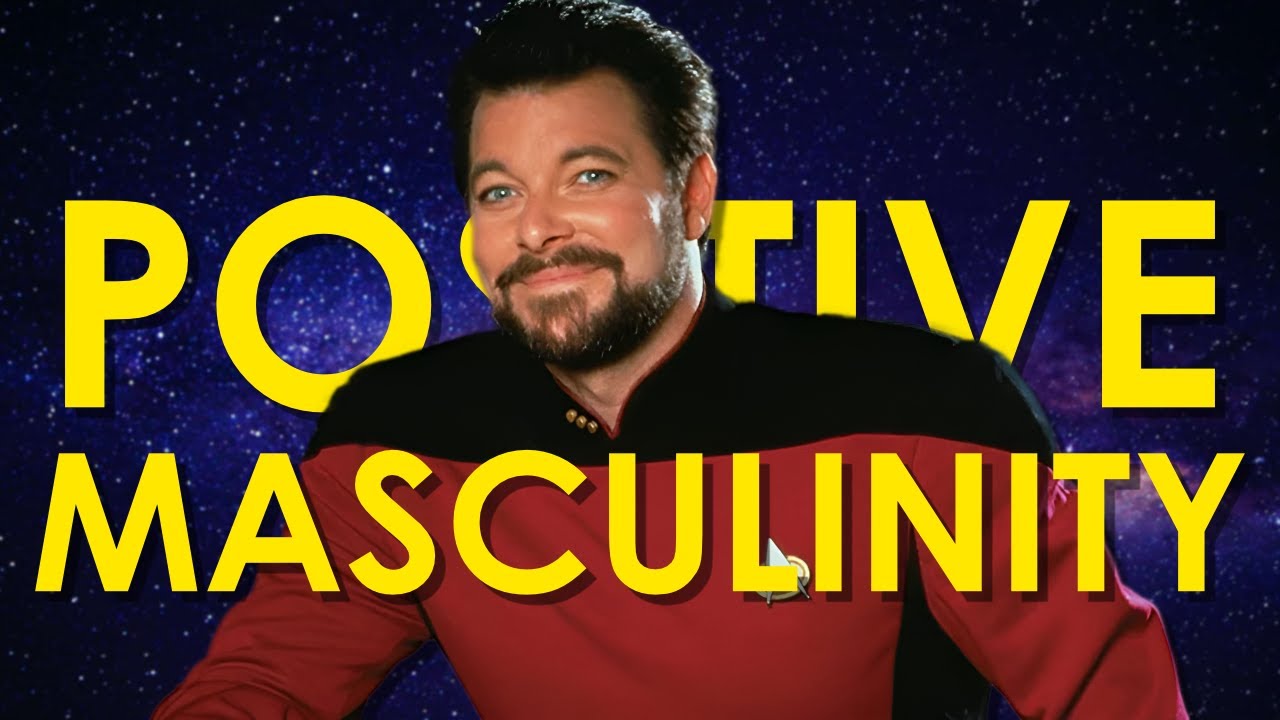
In the world of Star Trek, the captains are often celebrated as great male role models. However, William T. Riker stands out as an exceptional example of masculinity. Riker is not just a courageous leader but also a sociable and likable person whose masculinity extends beyond traditional stereotypes.
Riker's character is often seen as aspirational even today, as he embodies a balanced sense of masculinity that is not reliant on domination or aggression. Unlike the hyper-masculine Klingons who emphasize physical strength and power, Riker demonstrates that true masculinity can thrive on communication, humor, and emotional intelligence.
Through playful teasing and an upbeat attitude, Riker is a figure who people gravitate towards. His interactions, especially in scenes with characters like Worf, highlight his ability to defuse tensions and offer perspective, showing that masculinity does not exclude emotional connection or vulnerability.
Moreover, Riker's success in relationships is rooted in his genuine respect and love for people. He approaches relationships with sincerity rather than seeing them as a conquest to prove his manhood. His self-confidence allows him to handle rejection gracefully, an important lesson in self-respect and emotional maturity.
Riker's journey in Starfleet also portrays another aspect of healthy masculinity: the ability to define success on one's own terms. By choosing his path and pacing his career development, he ultimately achieves a fulfilling balance of professional success and personal happiness, including a loving family.
William Riker is a reminder that positive masculinity involves rejecting societal pressures and being true to one's values and character. His example encourages redefining masculinity in a way that embraces positivity, empathy, and personal authenticity.