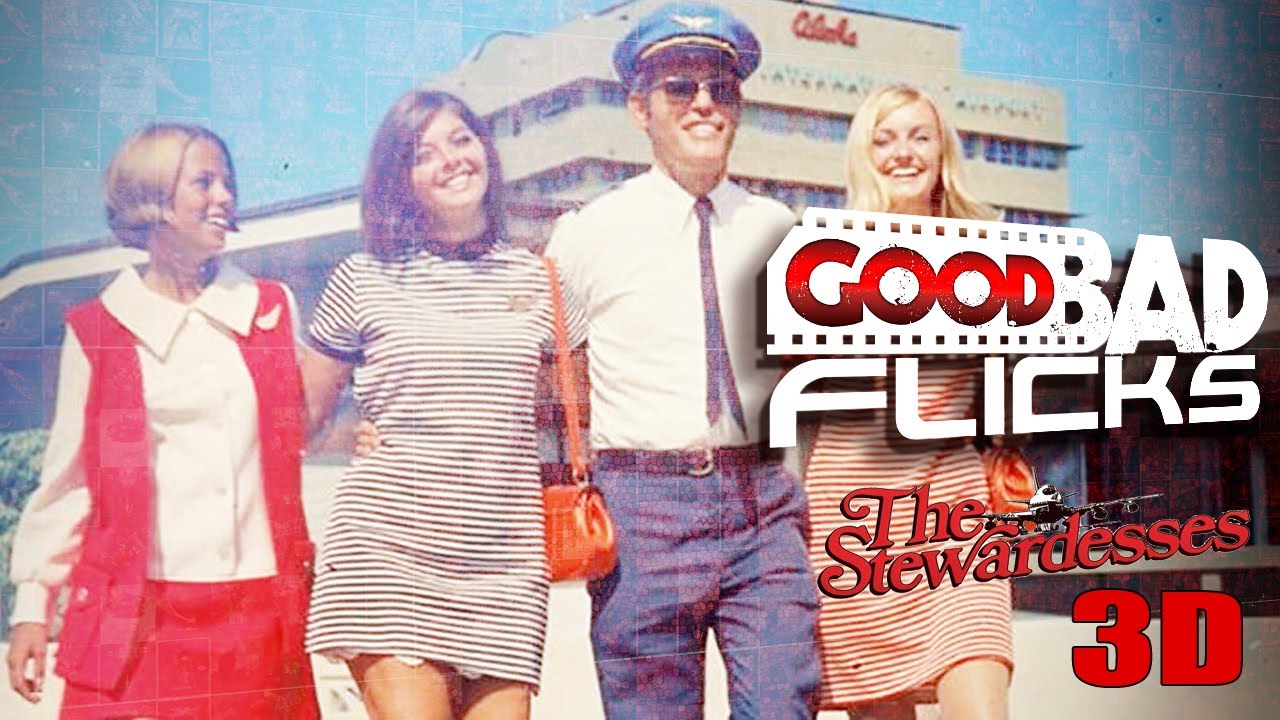
In 1969, a film called "The Stewart's 3D" dared to explore 3D technology in the realm of exploitation cinema. Directed by Alan Sillamon, this film was not just about regular 3D effects but boasted 'super 3D' elements combined with erotic sounds to offer a distinct movie experience.
The storyline begins in Hawaii where Captain Brad, dodging his pilot duties, interacts with various characters, painting a picture of 1960s leisure and hedonism. As the narrative unfolds, the film intersperses explicit content with bizarre elements like a character's drug-induced hallucinations. The film uniquely combines elements of comedy, softcore nudity, and drama, ending unexpectedly with a murder-suicide, making it stand out among its contemporaries.
The technical achievement of the film was remarkable for its time. Alan Sillamon and his collaborators devised a single-camera 3D system, contrasting the dual-camera setups prevalent in 3D filming back then. This innovation not only simplified production but also made the process more economical. Such technology later became instrumental in the 3D boom of the 1980s with films like "Friday the 13th Part III" and "Jaws 3-D".
Despite its sensational content, "The Stewart's 3D" quickly gained popularity. Upon its re-release in 1971, it became a box office success, grossing over $26 million against a modest budget, holding records until James Cameron's "Avatar" arose decades later. The blending of humorous, extreme, and innovative made "The Stewart's 3D" a quintessential example of the unconventional cinema of its era.