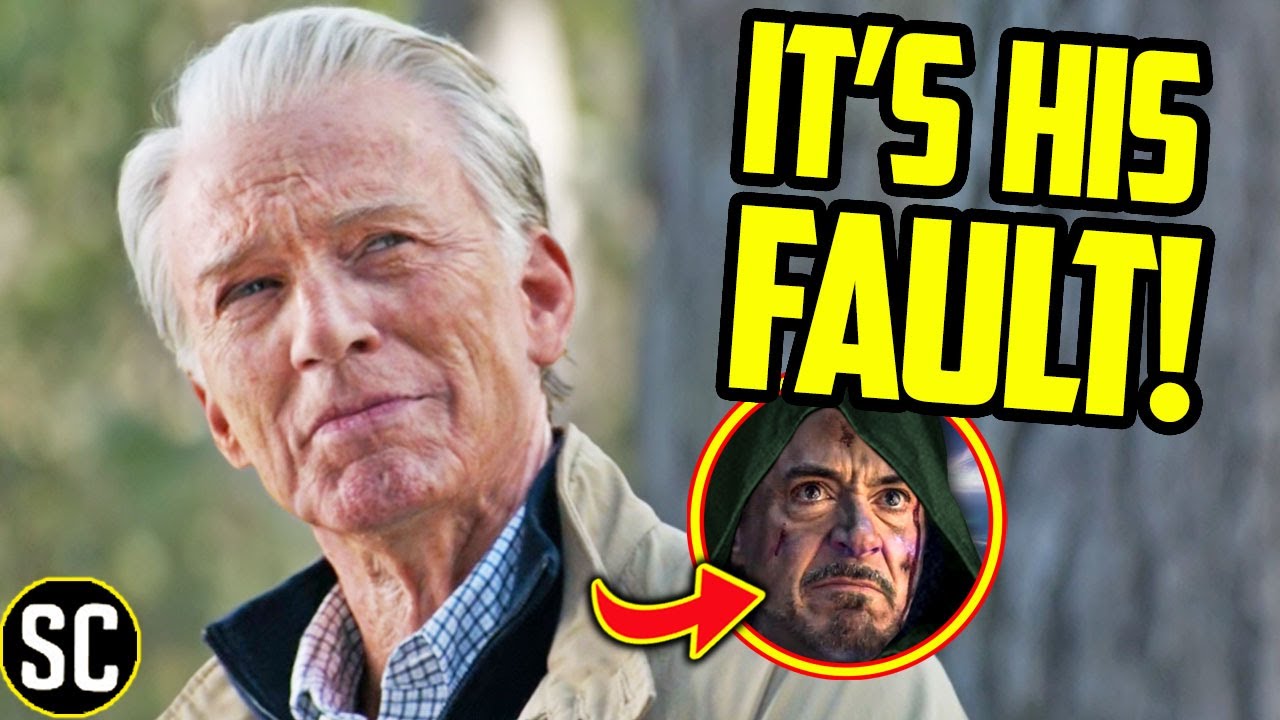
Steve Rogers and the Avengers may have been selfish, potentially causing the end of the multiverse. This theory explores the consequences of their actions in "Avengers: Endgame."
After returning the Infinity Stones, Steve unwittingly allowed realities to expand due to the multiverse's chaotic branching. This led to potential threats like Dr. Doom, who might try to stop incursions, a major issue expected in "Avengers Doomsday."
The concept of incursions is introduced, where two universes' boundaries erode, threatening their existence. Past events like time-traveling to gather Infinity Stones contributed to this instability.
Moreover, Loki's actions in the series underscore the complexities in preserving multiversal order. When Loki refuses to control the timeline, infinite branches emerge, making realities unsustainable.
This branching reality means Steve's return of the Infinity Stones did not restore timelines as predicted, setting the stage for myriad complications. This article delves into these alternate timelines and their unique impacts.
For instance, in 2013, the absence of certain events may prevent deaths and lead to drastically altered future events, impacting characters like Thor and Loki.
In 2012, similar complications arise when handing over the Mind Stone, impacting events around Doctor Strange and Hydra. Furthermore, in 2014, Peter Quill's adventures are impacted, separating him from crucial allies and altering cosmic balances.
Significantly, the return of the Soul Stone leads to intriguing dynamics involving the Red Skull and Steve, hinting at Steve's moral dilemmas.
Looking at 1974, Steve's actions might seed the rise of Dr. Doom, possibly an alternate Tony Stark raised by Hydra. This version of Tony envisions imposing order on the multiverse to prevent its destruction.
Overall, these theories suggest a vast web of consequences stemming from "Avengers: Endgame." The ramifications indicate a need to address these narrative complexities in future Marvel stories.