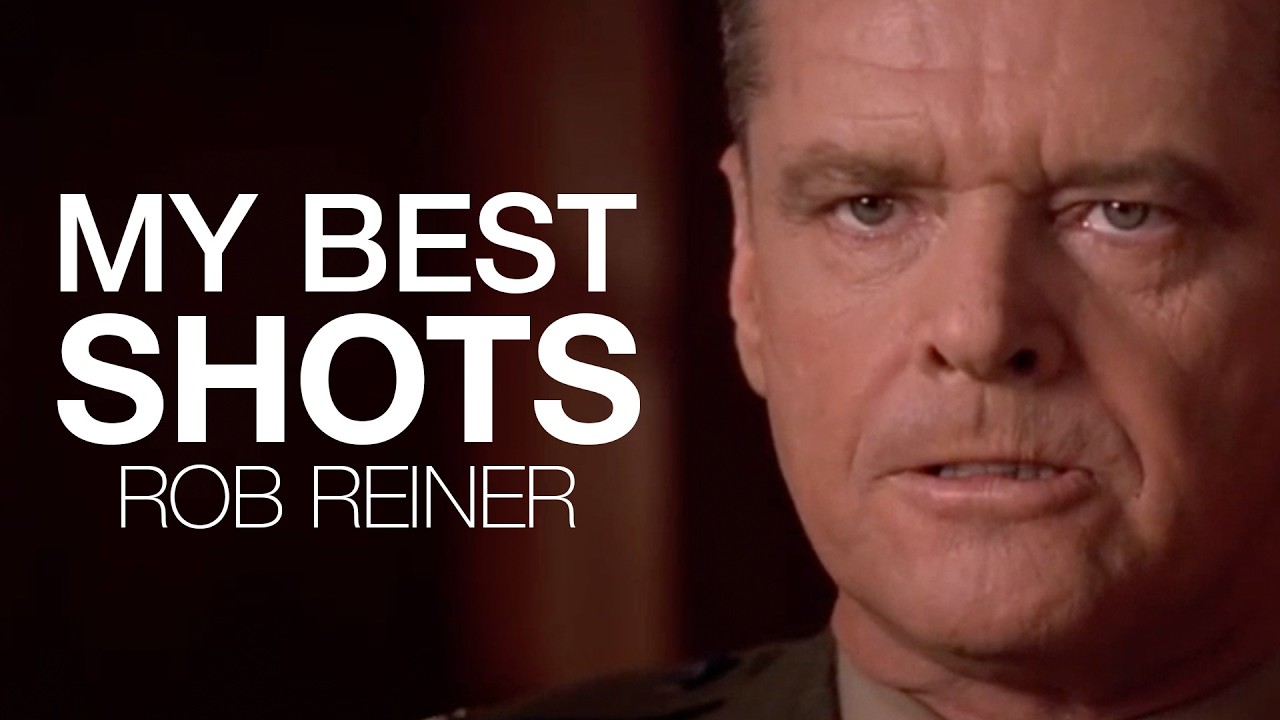
Film aficionados often revel in stories from the directors themselves, and a recent candid discussion has shed light on some iconic shots from classic movies. Renowned filmmaker shared insights about his least favorite shots and the complex improvisation techniques used on set.
Among the highlights was the mention of the 'Dutch tilt', particularly in scenes where a miniature Stonehenge becomes a comedic centerpiece. The filmmaker explained how improvisation wasn't just limited to actors but extended to the camera operators, ensuring a natural flow that contributed to the scene's humor and authenticity.
In another instance, the director reflected on a challenging sequence in "When Harry Met Sally" that involved four actors interacting across different locations without camera cuts. This scene demanded 61 takes to perfect and remains a testament to intricate planning and execution.
The director also expressed an enduring dissatisfaction with a shot involving backlighting and lens flares in a fairy-tale scene, emphasizing the desire to immerse audiences without drawing attention to the filmmaking process itself.
Insights into the creation of the thriller "Misery" were also shared, where the filmmaker studied Hitchcock to master suspenseful storytelling techniques. These included innovative camera movements to intensify tension.
Additionally, the director recounted a memorable scene in "A Few Good Men" inspired by Hitchcock's method of simulating a continuous shot, enhancing narrative continuity and visual intrigue.
Overall, the discussion highlighted the art and precision behind iconic film scenes, revealing the collaborative and sometimes serendipitous nature of filmmaking at its best.