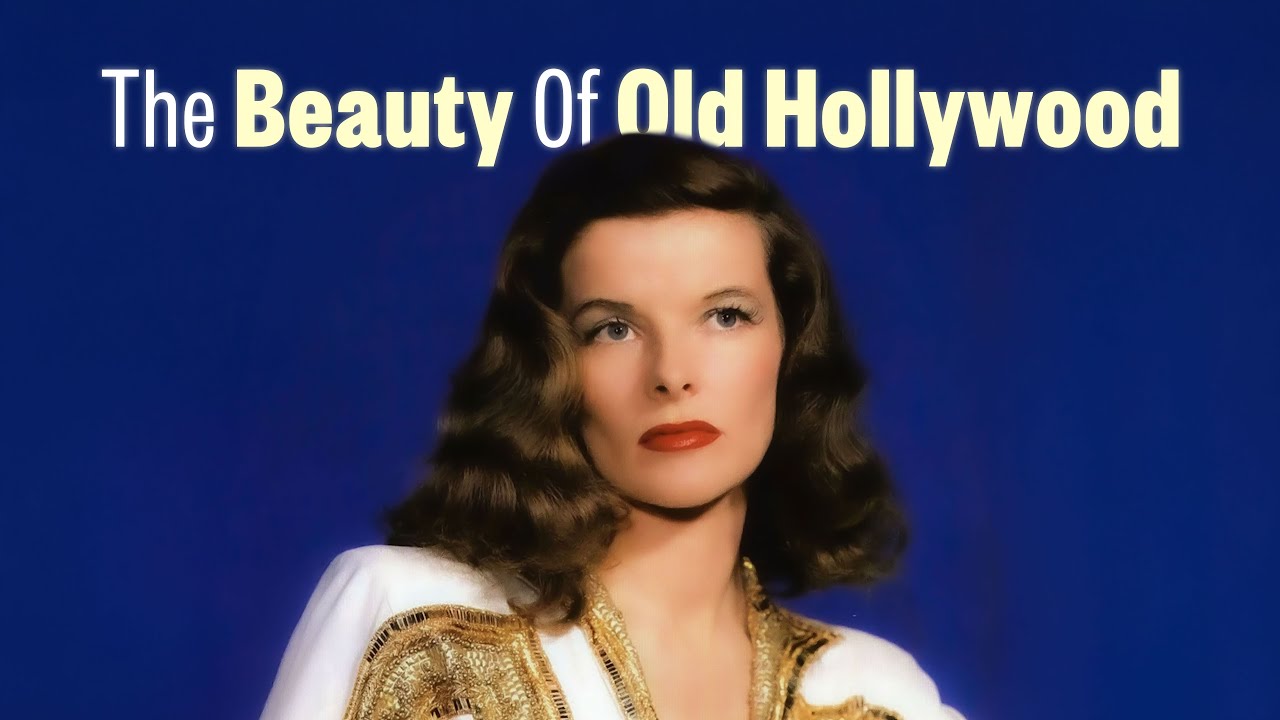
The Philadelphia Story, released in 1940, is considered one of the best romantic comedies ever made. A highlight of the film is a scene that encapsulates the elegance and artistry of Hollywood's Golden Age. This scene showcases a group of top-tier artists producing cinematic magic through expert performances, direction, and set design.
The film follows Tracy Lord, a socialite from Philadelphia whose wedding is disrupted by her ex-husband and a tabloid journalist, leading her to reassess her past and relationships. It stars Katherine Hepburn, Cary Grant, and Jimmy Stewart—an iconic trio of actors.
Katherine Hepburn, who experienced a career resurgence with this film, was previously labeled as 'box office poison'. She collaborated with playwright Philip Barry for the original stage version, which became a hit. With the film rights in her possession, Hepburn ensured creative control over the movie by choosing the director, screenwriter, and co-stars.
The selected scene happens after a series of personal revelations for Tracy, ending with a champagne-fueled exchange between her and the journalist, Mike Connor, played by Jimmy Stewart. Director George Cukor and cinematographer Joseph Ruttenberg masterfully utilize camera angles and lighting to highlight the characters' emotional development amidst beautiful set designs by art director Cedric Gibbons.
The scene further benefits from the costume design by Adrian Greenberg, adding depth to Hepburn's character through visual symbolism. The dialogue retains much of Philip Barry's original writing, revealing vulnerability beneath the characters' wit.
This scene exemplifies the collaborative effort synonymous with the studio system of the era, proving that when aligned with exceptional talent, Hollywood was capable of producing timeless artistic achievements.