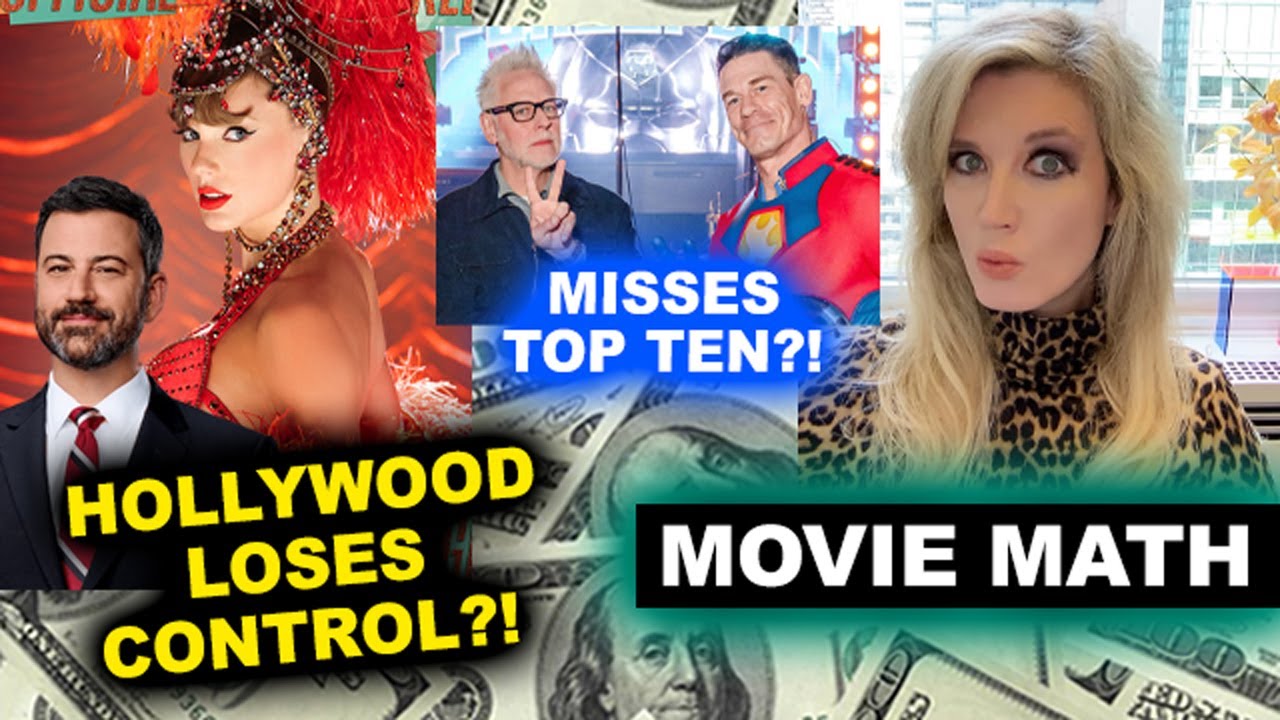
In the ever-evolving landscape of Hollywood, certain artists are reshaping traditional business models. Taylor Swift is one such force, once again changing the game by directly engaging with theaters for her latest surprise theatrical release.
Swift's strategy is part of a larger trend where traditional Hollywood middlemen are being bypassed, as distributors and affiliate stations reassess their partnerships and content needs. This shift reflects a broader industry panic as Hollywood struggles to consistently deliver profitable content that resonates with audiences.
Streaming services further compound this challenge by forcing a re-evaluation of distribution strategies, proving less profitable than anticipated despite significant investments. Yet, the allure of traditional distribution remains, with theatrical experiences still relevant despite streaming's rise.
While network television faces potential obsolescence, music, international cinema, and innovative distribution models capture public interest. Swift's groundbreaking success in blending concerts with cinema, along with anime and K-pop's popularity, underscores Hollywood's current inconsistencies, evidenced by recent box office flops.
As major releases underperform, alternative event-driven content like Swift's album release party skyrocket, reinforcing the demand for unique entertainment experiences. Swift's event, offering music videos and exclusive insights, sets a high bar—proving that while traditional movie stars may struggle, innovative stars like Swift thrive by reinventing engagement paradigms.
This seismic shift in entertainment encourages other performers to follow suit, potentially leading to new trends where musicians dominate theatrical landscapes, thus illustrating the fluid dynamics in the relationship between Hollywood’s traditional models and emerging entertainment formats.