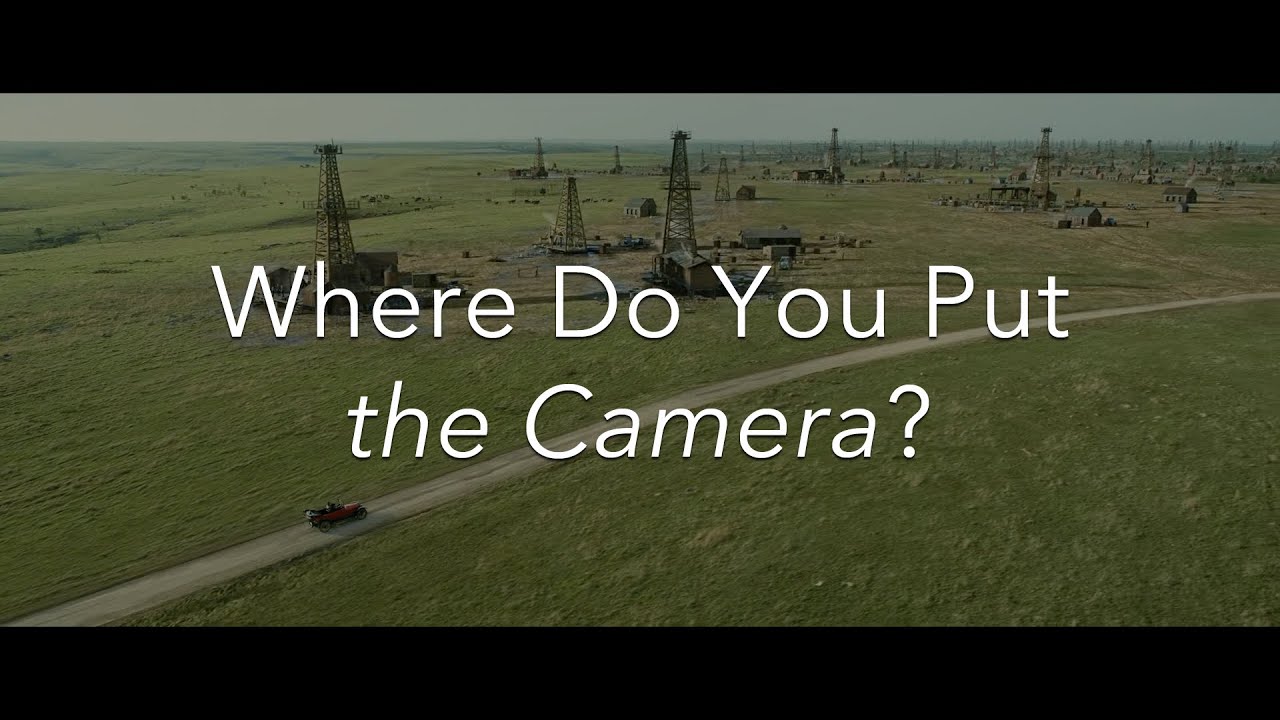
If there is one question that crosses every filmmaker's mind, it’s: “Where am I going to put the camera?” Because after all, the camera can be put almost anywhere. Choices vary from wide, medium, tight angles to using various movement techniques such as dolly, car mount, gimbal, or drone. The decisions are numerous.
Martin Scorsese discusses that despite new technology offering more choices, many of these are unnecessary and lead to wasted time. The key decision revolves around the intention of the scene, even if the scriptwriter is also the director, jokingly noted by Guillermo Del Toro.
Deciding the camera placement starts with understanding a scene's purpose, sometimes simple but often requiring nuance and interpretation. Steven Soderbergh shares an experience where figuring out the focal point of a seemingly simple scene—'a guy in the cart'—was essential for designing the shot.
Next, filmmaking involves solving how actors' movements influence camera placement. Doing this through storyboards, figurines, or rehearsals, as explained by Roger Deakins. Comparing scenes from different versions of 'True Grit' illustrates how blocking dictates power dynamics between characters.
The third abstract choice involves the 'philosophy of a shot,' where filmmakers have distinctive styles. Guillermo Del Toro explains using counter-movement as a recurring theme in his works, whereas Greta Gerwig contrasts the visual styles adopted in 'Lady Bird' and 'Little Women' to match the narrative's themes.
With all these decisions, maintaining coherence is crucial even if initial plans change due to real production challenges like weather or resources, as Roger Deakins discusses with 'Fargo.' Ultimately, filmmakers come down to personal instincts to decide what a scene should communicate, a sentiment echoed by Frank Darabont about trusting creative instincts amidst production chaos.