Tron Aries finally hit screens this year, but the road to its release has had more than a few bumps and potholes along the way. And if you've been counting, you'll know it has taken 15 years to bring this next chapter of the Tron franchise to life.
But the delay wasn't because of low interest or lack of story. After Disney released Tron Legacy in 2010, the producers immediately considered a direct sequel. Legacy had set up the bold premise of Sam Flynn entering the grid to find his father Kevin, while Kora, a sentient digital program, crosses into the real world through the portal Sam opens at the end of the movie.
However, despite the momentum, the project stalled almost immediately. Producer Justin Springer revealed that while a sequel was planned for years, it simply timed out. Casting and creative direction shifts played a role in the delays. The project went through multiple iterations over the years with different actors and storylines attached at different times.
When Jared Leto was eventually brought on board as the digital program Aries, the story began to solidify around the new narrative framework. The studio felt it was more natural to explore a new story with fresh characters rather than continuing Legacy directly. It introduced new players like Greta Lee's Eve Kim, the CEO reviving Encom, and Evan Peters's Julian Dillinger, seeking the Perian Code to make digital assets permanent in the real world.
And just because the movie was delayed, it doesn't necessarily mean it was a bad thing. The delay allowed the filmmakers to expand the story across multiple grids, which included the original 1982 grid, creating richer visual and thematic layers than a straightforward sequel might have offered.
Another factor was the evolving context of technology. By the mid-2010s, the concepts explored in Legacy started feeling outdated. The creative team wanted a story that would reflect more contemporary technological advancements such as artificial intelligence, 3D printing, and synthetic biology. These elements allowed Tron Aries to tackle a modernized version of the grid, where digital creations could intersect with reality in more sophisticated and unpredictable ways.
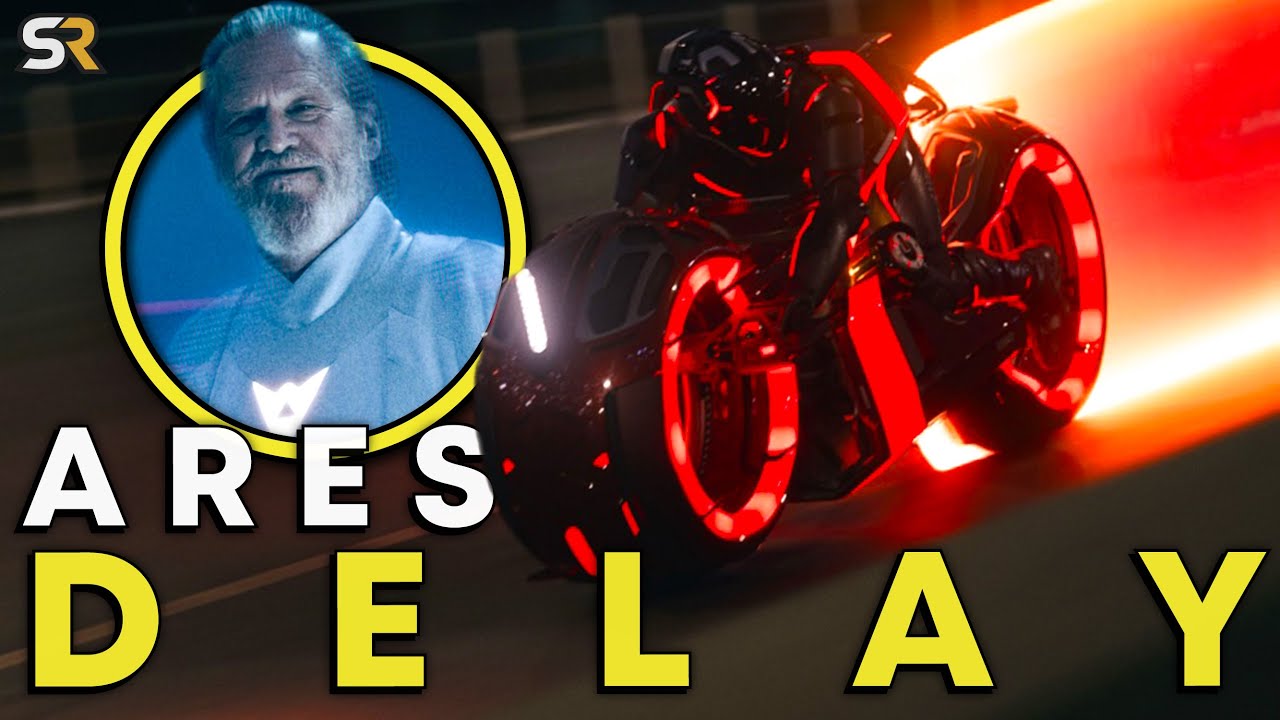
On set, the team leaned into the spectacle Tron fans expect with multiple light cycles and other set pieces that combined the franchise's iconic digital aesthetic with modern cinematic technology. Again, the delay was a blessing in disguise. It allowed Disney to develop visual effects and world building that meet contemporary audience expectations, blending the digital and real worlds seamlessly.
Ultimately, the 15-year gap has been a gift for creating a modern and futuristic vision, putting Tron Aries ahead of the aesthetic curve once more. The producers also wanted a story that felt relevant in 2025. With their focus pulling towards the interplay of humanity and technology without betraying the canon set by the 1982 original or legacy, Tron Aries can now exist as a standalone adventure while acknowledging the legacy of its predecessors.
For Tron Aries, the 15 years of delays certainly weren't wasted. They have allowed Disney to craft a story that feels both fresh and faithful, pushing the franchise forward in ways that a rushed sequel never could. Are you looking forward to Tron Aries? Let us know. Thanks for watching Screen Rant.