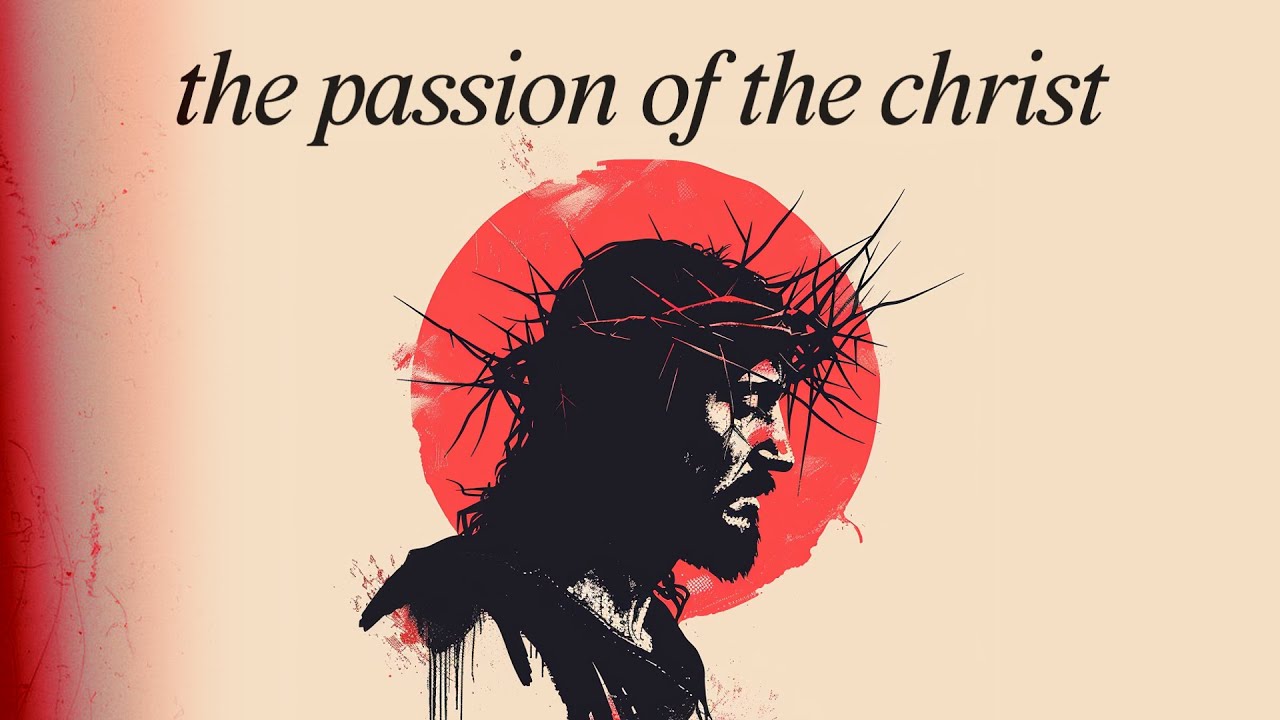
The Passion of the Christ remains the highest-grossing foreign language feature in the US and a significant cultural phenomenon worldwide, recognized both for its devout celebration and the controversies it stirred regarding religious portrayal and violence in film.
Focusing on the last 12 hours of Jesus' life, the film stands out for its immersive detail, using Aramaic, Hebrew, and Latin to convey a strong historical authenticity. Director Mel Gibson and cinematographer Caleb Deschanel employ evocative imagery and pacing to reinforce the emotional gravity of Jesus' final moments.
While its technical artistry is praised, the film has sparked discussions about its graphic depiction of violence and its portrayals of Judaism. Critics argue that the movie emphasizes suffering over themes of love and forgiveness, raising concerns about the narrative choices that reflect more on Gibson's personal viewpoints than traditional biblical interpretations.
The film's reception highlights broader conversations about faith in cinema, recognition of historical context, and the influence of artistic vision on religious narratives. Despite these debates, The Passion of the Christ's impact on audiences and its controversial legacy continue to invite analysis and discussion within and beyond religious communities.