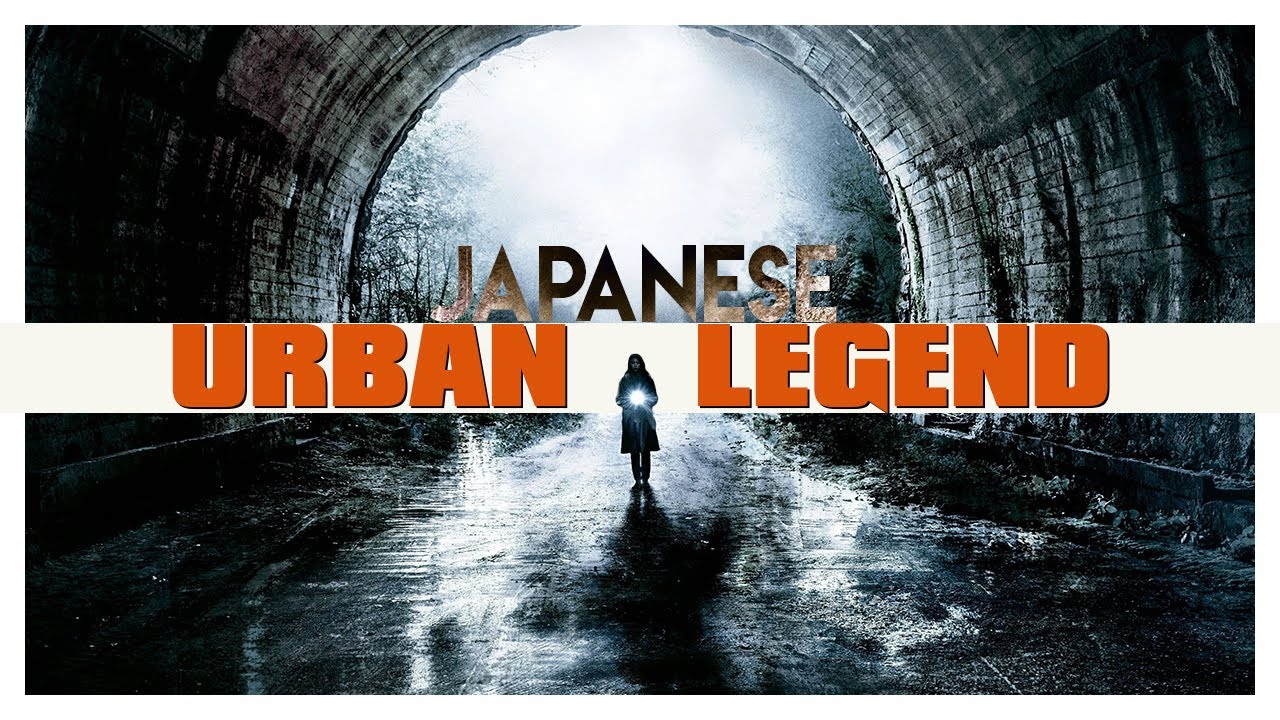
The horror genre often reflects societal fears, tapping into cultural anxieties such as erosion of faith or the commodification of race. However, horror is inherently local, and cultural nuances from foreign films, like those from Japan, are often missed by international audiences.
This article delves into four J-horror films inspired by Japanese urban legends, chosen by popular demand from Patreon supporters. The films include two from the early 2000s and two from recent years, each exploring unique social anxieties.
Part One: The Locker (Shibuya Kaidan, 2004)
'The Locker' is inspired by real events during Japan's J-horror craze. It tells of a group of college students cursed by a coin locker once containing a baby's corpse. This gruesome concept stems from incidents between the '70s and '90s where abandoned infants were left in Tokyo lockers. These events, a national trauma depicted in various media, resulted from societal pressures on young, unsupported mothers, reflecting deeper issues like poverty and social stigmas.
Part Two: Carved: The Slit-Mouthed Woman (2007)
This film reimagines the famed slit-mouthed woman as a metaphor for child abuse in Japanese society. It links the horror legend to real societal issues, portraying the struggles of single mothers in Japan, a reflection of the challenging custody laws and the societal pressure that sometimes leads parents to abduct their own children.
Part Three: Howling Village (2019)
The film explores the mythical Inunaki Village, a tale wrapped in prejudice portraying rural people as savage outsiders, akin to hillbilly horror in other cultures. Howling Village illustrates the negative impact of online stereotypes on declining rural populations and the social divide between urban youth and rural communities.
Part Four: Kisaragi Station (2022)
This film provides a more lighthearted take. Based on a 2chan creepypasta, it embodies the playful nature of internet culture. The story of a ghostly train station resonates with fans of the legend, creating a collective folklore experience that comforts rather than frightens.
Through these films, J-horror reveals deep-seated cultural anxieties and societal issues in Japan. From the modernization challenges faced by rural communities to the personal struggles within family dynamics, these stories offer a window into a different world of horror filmmaking.